The media landscape is evolving at lightning speed, and brands are under constant pressure to stay ahead of audience behavior, platform changes, and technology innovation. At the center of this transformation lies the future trends in media planning and buying, where AI, automation, and emerging tools are reshaping how marketers allocate budgets, target consumers, and measure success.
1. AI-Driven Audience Insights and Predictive Analytics
Artificial intelligence is now the backbone of advanced media planning. By analyzing billions of data points in real time, AI models can forecast audience behavior, predict channel performance, and recommend optimal budget distribution. This shift replaces manual guesswork with precision decision-making.
Predictive analytics is also making campaigns more proactive. Instead of reacting to performance reports, planners can anticipate fluctuations in consumer engagement based on seasons, context, or moment-based triggers.
2. Automation for Faster and Smarter Media Buying
Automation is redefining operational efficiency. Programmatic platforms now automatically handle tasks such as bidding, audience segmentation, and creative rotation, freeing teams to focus on strategy and innovation.
Real-time bidding (RTB) and automated campaign optimization are improving cost efficiency and reducing human error. As automation expands, planners will increasingly rely on smart systems that self-optimize toward business goals.
3. Rise of Cross-Channel and Omnichannel Planning Tools
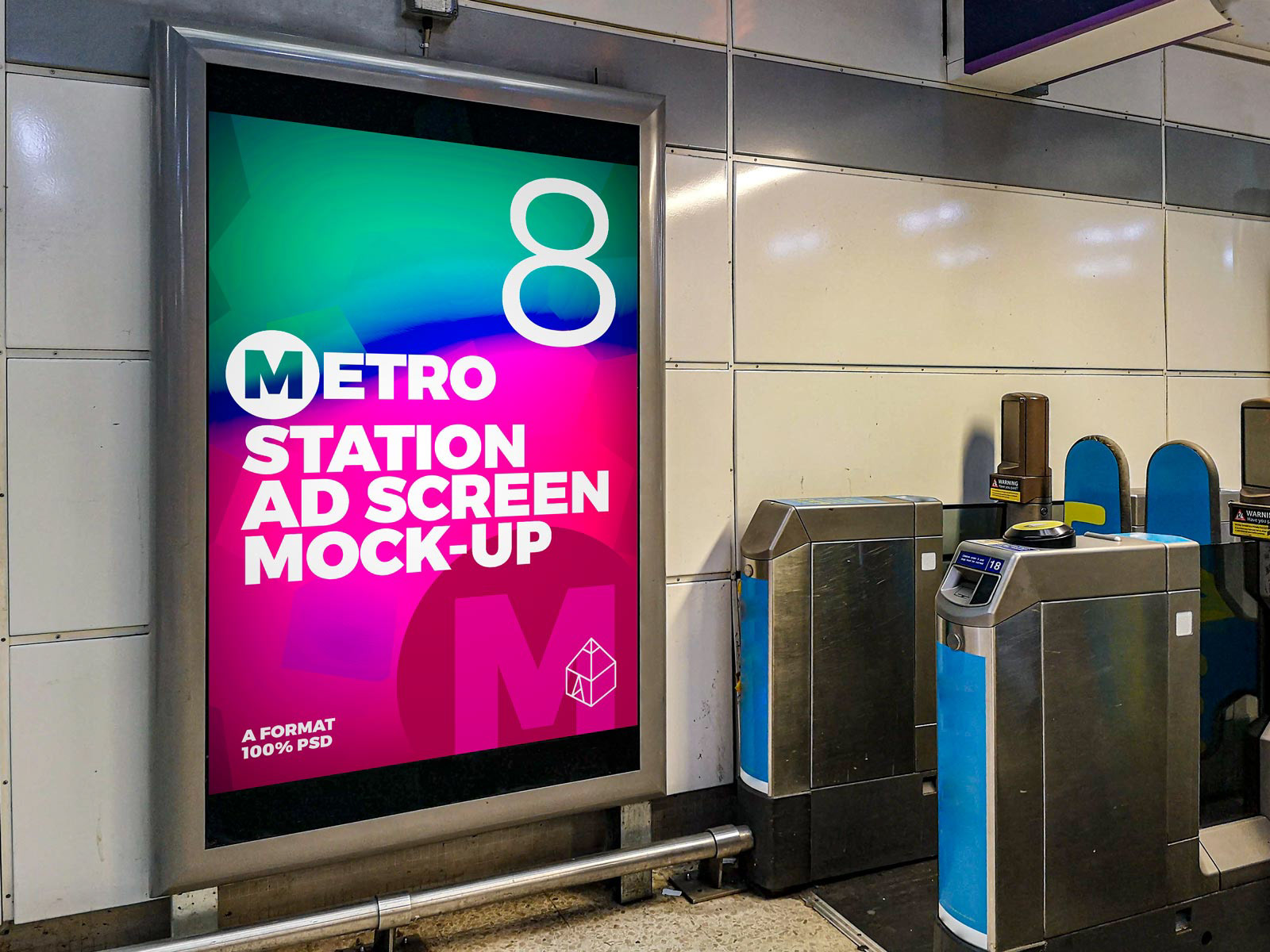
Consumers jump between devices and platforms in a fluid journey. Media planners must connect these touchpoints seamlessly. Advanced omnichannel tools unify campaign data across social, video, search, display, DOOH (digital out-of-home), and CTV (connected TV), offering a 360-degree view of performance and audience interactions.
This holistic visibility enables more accurate attribution and smarter allocation of ad spend.
4. Privacy-First Planning and Cookieless Solutions
With third-party cookies fading out, media planning must evolve. The future will rely on first-party data, contextual targeting, and privacy-compliant IDs. Brands are building stronger direct relationships with consumers, using loyalty programs, CRM data, and consent-based personalization.
Contextual AI is resurging, delivering ads based on the content environment instead of individual tracking—offering relevance without sacrificing privacy.
5. Integration of Generative AI in Creative and Strategy
Generative AI is emerging as a powerful ally. Tools can create multiple variations of ad copy, visuals, and layouts within seconds, enabling rapid testing and scaling of personalized creatives. Strategic AI assistants help planners run simulations, identify opportunities, and build smarter proposals.
The synergy between creative automation and media optimization will produce hyper-relevant campaigns tailored for niche audiences.
6. The Growth of CTV, Retail Media, and Shoppable Ads
CTV and retail media networks (RMNs) are among the fastest-growing ad channels. Brands are investing heavily in them because they combine mass reach with measurable performance.
Meanwhile, shoppable ads—powered by integrated commerce ecosystems—are shrinking the purchase funnel and driving instant conversions directly from media placements. These formats will dominate the next decade of digital advertising.
7. The Human-Tech Partnership
Despite automation, human expertise remains irreplaceable. Skilled planners are needed to interpret AI recommendations, evaluate brand context, and make ethical decisions. The future of media buying is not machines replacing people—but people augmented by smarter machines.