Bengaluru Bus Shelter Ads: A Media Planner’s Playbook for IT Corridors
3 min read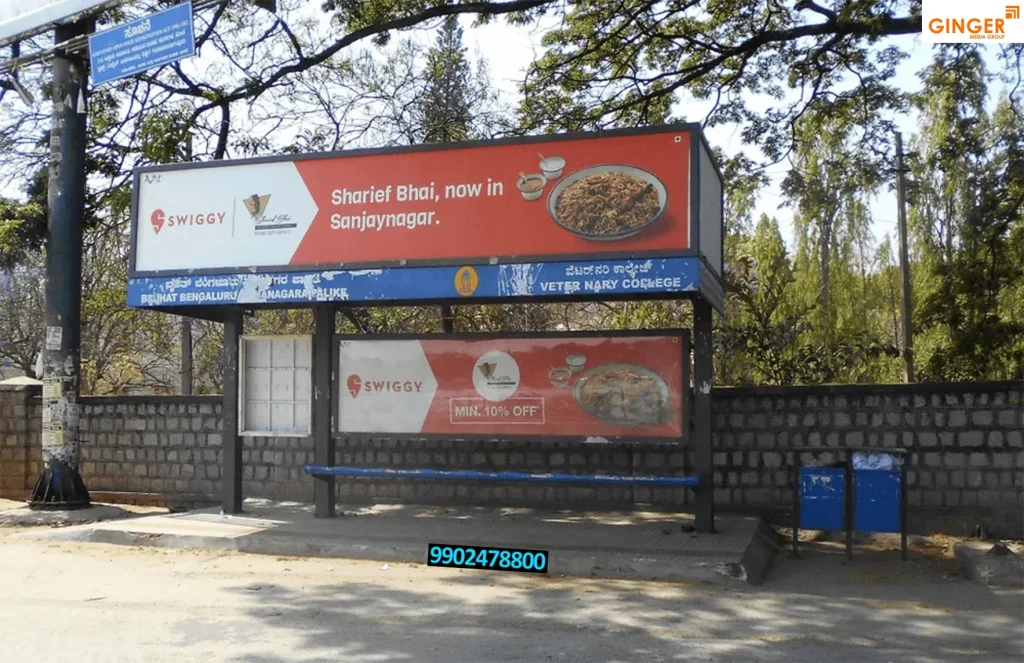
Bengaluru bus shelter ads help brands target IT corridors with high dwell time, repeated exposure, and cost-efficient reach.
Bengaluru Bus Shelter Ads have emerged as one of the most effective tools for reaching the city’s technology-driven workforce. As India’s leading IT hub, Bengaluru witnesses millions of daily office commutes across defined technology corridors. However, long travel times and frequent traffic congestion change how outdoor media performs here.
Unlike high-speed highways, Bengaluru’s IT corridors experience slow-moving traffic and extended waiting periods. Therefore, bus shelter advertising delivers consistent visibility, high dwell time, and repeated impressions among salaried professionals, decision-makers, and young urban consumers.
Understanding Bengaluru’s IT Corridor Commute Pattern
Why Commute Behaviour Shapes Media Planning
Bengaluru’s IT workforce follows predictable travel routes and timings. Consequently, media planners can achieve precision targeting through bus shelter placements.
Key IT corridors include:
-
Whitefield–ITPL stretch
-
Electronic City corridor
-
Sarjapur Road
-
Bannerghatta Road
These routes carry daily office commuters who spend significant time waiting for buses or moving slowly in traffic. As a result, Bengaluru Bus Shelter Ads deliver stronger message absorption compared to fleeting billboard views.
Bus Shelter Advertising: A High-Dwell-Time Medium
Why Bus Shelters Outperform Many Outdoor Formats
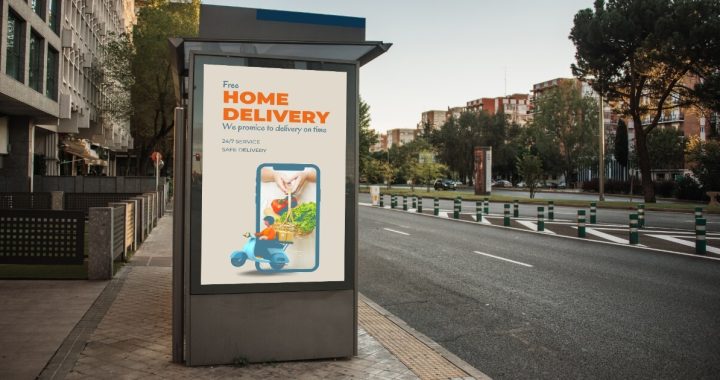
Bus shelters combine proximity, pause, and repetition. Commuters stand just a few feet away from ad panels, allowing brands to communicate clearly without visual clutter.

Moreover, shelters operate at eye level. Hence, messages do not compete with skyline distractions or visual noise.
Key Advantages of Bengaluru Bus Shelter Ads
-
Extended dwell time during peak office hours
-
High exposure among white-collar audiences
-
Cost-efficient CPM compared to large hoardings
-
Strong recall through daily repetition
For IT corridors, these benefits translate directly into higher media efficiency.
Strategic Placement Along IT Corridors
Micro-Zoning for Maximum Impact
Effective use of Bengaluru Bus Shelter Ads depends on micro-zoning rather than blanket coverage. Instead of spreading budgets thin, planners cluster shelters around office parks, tech campuses, and feeder roads.
High-performing placement zones include:
-
Entry and exit points of tech parks
-
Junctions near corporate hubs
-
Bus stops close to metro feeder routes
Because commuters encounter multiple shelters on the same route, clustered placement builds frequency without increasing cost.
Timing Strategy: Aligning with Office Rush Hours
Peak Hours Deliver Peak Value
Bengaluru’s traffic congestion creates natural attention windows. Therefore, bus shelter ads work best during:
-
Morning office hours (8:00–11:00 AM)
-
Evening return hours (5:30–8:30 PM)
During these periods, commuters are stationary or slow-moving. As a result, ad recall improves significantly.
Creative Best Practices for IT Corridor Bus Shelters
Clear, Functional Messaging Wins
IT professionals process information quickly. Hence, bus shelter creatives must be simple, relevant, and direct.

Best-performing creative elements include:
-
Bold headlines with minimal copy
-
Strong contrast and readable fonts
-
Product or app-led visuals
-
Clear call-to-action
Additionally, contextual messaging linked to work-life, productivity, food delivery, fintech, or mobility performs particularly well in IT corridors.
Integrating Bus Shelter Ads with Digital & Transit Media
Strengthening the Media Funnel
While Bengaluru Bus Shelter Ads perform well independently, integration improves outcomes. Bus shelters often act as the first exposure point, while digital or mobile media reinforces the message later.
For example:
-
Bus shelter ads build awareness near offices
-
Mobile ads retarget users during work hours
-
Metro or cab branding extends recall during return commutes
As a result, planners achieve continuity across the commuter journey.
Industries That Benefit Most from Bengaluru Bus Shelter Ads
Several categories consistently leverage IT corridor shelters:
-
Fintech and digital banking platforms
-
Food delivery and QSR brands
-
Edtech and upskilling platforms
-
Healthcare and diagnostics
-
Real estate and co-living brands
These sectors benefit from repeated, location-specific exposure rather than one-time dominance.
Measuring Performance of Bus Shelter Campaigns
Although bus shelter advertising is traditionally upper-funnel, planners now evaluate performance using:
-
Area-wise search lift
-
App installs during campaign periods
-
Store or service enquiries from targeted zones
Therefore, Bengaluru Bus Shelter Ads offer both visibility and measurable influence.

Conclusion: A Planner’s Advantage in Bengaluru’s IT Corridors
Bengaluru rewards media strategies that respect commuter behaviour. Bengaluru Bus Shelter Ads align perfectly with the city’s slow-moving, high-density IT corridors.
By focusing on route relevance, clustered placements, peak-hour exposure, and clear creatives, media planners can unlock strong ROI without excessive spends. In a city defined by daily commutes, bus shelters remain one of the smartest outdoor investments.