How Data Science & Fair Slot Allocation Algorithms Could Transform Billboard Inventory Buying
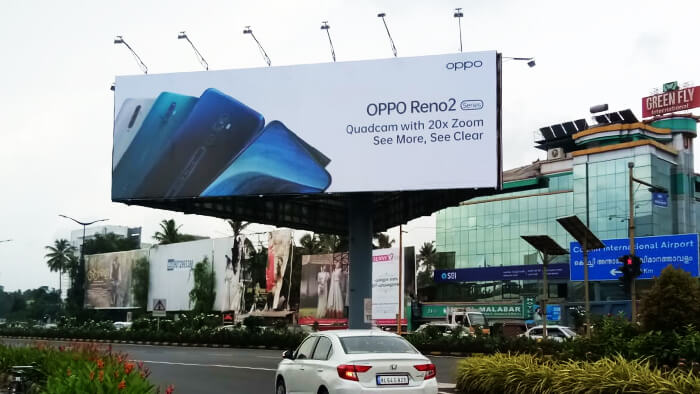
Billboard inventory buying has traditionally relied on negotiation power, historical relationships, and first-mover advantage. While this approach worked in low-density media environments, it is increasingly inefficient in today’s crowded urban landscapes. How Data Science & Fair Slot Allocation Algorithms Could Transform Billboard Inventory Buying explores how algorithm-driven allocation models can introduce transparency, fairness, and efficiency into OOH planning—especially as demand for premium sites continues to rise.
Post-2025, as regulations tighten and inventory becomes scarcer, equitable access to high-impact billboards is no longer just a technical issue. Instead, it is a strategic and ethical imperative.
Understanding the Focus Keyphrase in Context
Data Science & Fair Slot Allocation Algorithms refer to mathematical and AI-driven models that distribute billboard time slots or placements based on predefined fairness, performance, and optimization criteria rather than manual discretion.
These models draw inspiration from resource allocation systems used in telecom, cloud computing, and financial exchanges. Therefore, their application to OOH inventory represents a natural evolution toward data-led media governance.
How Data Science & Fair Slot Allocation Algorithms Could Transform Billboard Inventory Buying
At its core, fair slot allocation challenges the current “winner-takes-most” buying structure. Instead of allowing a single advertiser to dominate premium inventory for extended periods, algorithms balance competing demands.
For example, when multiple brands bid for the same digital billboard:
-
The algorithm evaluates demand, duration, and frequency
-
Exposure is distributed across advertisers
-
No single brand monopolizes visibility
As a result, inventory utilization improves while advertiser satisfaction increases.
Traditional Billboard Allocation Models
Manual allocation creates multiple inefficiencies:
-
Premium sites remain underutilized during off-peak hours
-
Smaller advertisers are locked out by larger budgets
-
Inventory pricing lacks transparency
-
Campaign effectiveness is difficult to benchmark
Moreover, human-led allocation introduces bias—intentional or otherwise. Consequently, trust between media owners and advertisers erodes over time.
Data Science as the Backbone of Smarter OOH Buying
Data science introduces objectivity into billboard buying decisions. Algorithms process large datasets that include:
-
Traffic flow and dwell time
-
Historical campaign performance
-
Time-of-day audience density
-
Category-level exclusivity rules
-
Regulatory constraints
By combining these inputs, the system predicts optimal slot distribution. Therefore, billboard inventory shifts from static booking to dynamic optimization.

Fair Slot Allocation Algorithms Explained Simply
Fair allocation algorithms aim to balance efficiency and equity. Some commonly discussed models include:
Proportional Fairness Models
Slots are allocated proportionally based on advertiser demand and historical exposure. Brands with lower past visibility receive priority.
Time-Slicing Algorithms
Digital billboards divide display time into micro-slots. Each advertiser receives guaranteed exposure within a cycle.
Weighted Auction Systems
Instead of pure price bidding, algorithms apply weights for category diversity, brand size, or public interest. These models ensure that efficiency does not come at the cost of fairness.
Digital Billboards as the Catalyst for Algorithmic Buying
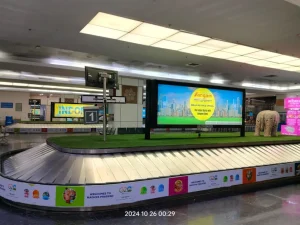
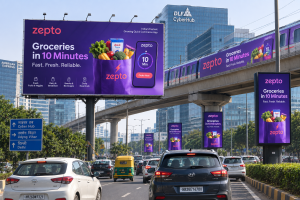
Digital OOH is central to this transformation. Unlike static hoardings, digital billboards support:
-
Multiple advertisers per hour
-
Real-time creative rotation
-
Automated scheduling
Consequently, digital inventory is perfectly suited for algorithmic allocation. As DOOH networks expand in cities like Mumbai and Bengaluru, algorithm-led buying becomes increasingly viable.
Equity for Small and Mid-Sized Advertisers
One of the biggest advantages of fair slot allocation is inclusivity. Smaller brands often struggle to access prime OOH locations due to cost barriers.
With algorithmic distribution:
-
Budgets stretch further
-
Short-duration campaigns gain visibility
-
Local and regional brands compete fairly
Therefore, OOH evolves from an elite medium into a more democratic one.
Performance Transparency and Trust Building
Algorithms generate auditable logs—who got which slot, when, and why. This transparency builds trust across stakeholders.
Advertisers gain clarity on:
-
Exposure share
-
Time-of-day effectiveness
-
Competitive separation
Media owners, in turn, justify pricing through data-backed performance metrics rather than subjective valuation.
Integration With Programmatic and AI Platforms
Fair slot allocation aligns naturally with programmatic OOH ecosystems. Platforms influenced by technology leaders such as Google and OpenAI have already normalized algorithmic decision-making in digital advertising.
Applying similar logic to OOH bridges the gap between physical and digital media planning. Consequently, billboard buying integrates seamlessly into omnichannel strategies.
Regulatory and Civic Benefits
Equitable allocation also supports regulatory objectives. Authorities often worry about brand dominance, visual clutter, and public interest.
Algorithmic systems can enforce:
-
Category caps
-
Time-based restrictions
-
Public service messaging quotas
Thus, civic goals align with commercial efficiency.

Challenges in Real-World Implementation
Despite its promise, algorithmic billboard buying faces hurdles:
-
Legacy contracts and fixed pricing models
-
Resistance from traditional media owners
-
Data standardization across cities
-
Need for independent governance frameworks
However, these challenges are transitional rather than structural. As digital inventory grows, adoption barriers will reduce.
What the Future Billboard Buying Model Looks Like
In the future, advertisers may not “book” billboards in the traditional sense. Instead, they will:
-
Set objectives and budgets
-
Define fairness and reach constraints
-
Let algorithms allocate optimal slots
This shift mirrors how cloud computing allocates server resources dynamically rather than statically.
Conclusion: From Negotiation to Optimization
How Data Science & Fair Slot Allocation Algorithms Could Transform Billboard Inventory Buying highlights a fundamental shift—from negotiation-driven allocation to optimization-driven distribution. As Indian OOH matures post-2025, fairness, transparency, and efficiency will define competitive advantage. Brands that adapt early will gain smarter reach, better ROI, and stronger trust in the OOH ecosystem. In the next decade, the most valuable billboard may not be the biggest one—but the fairest one.