Tier-3 & Emerging Urban OOH Markets: Why Smaller Cities Are the Next Growth Frontier
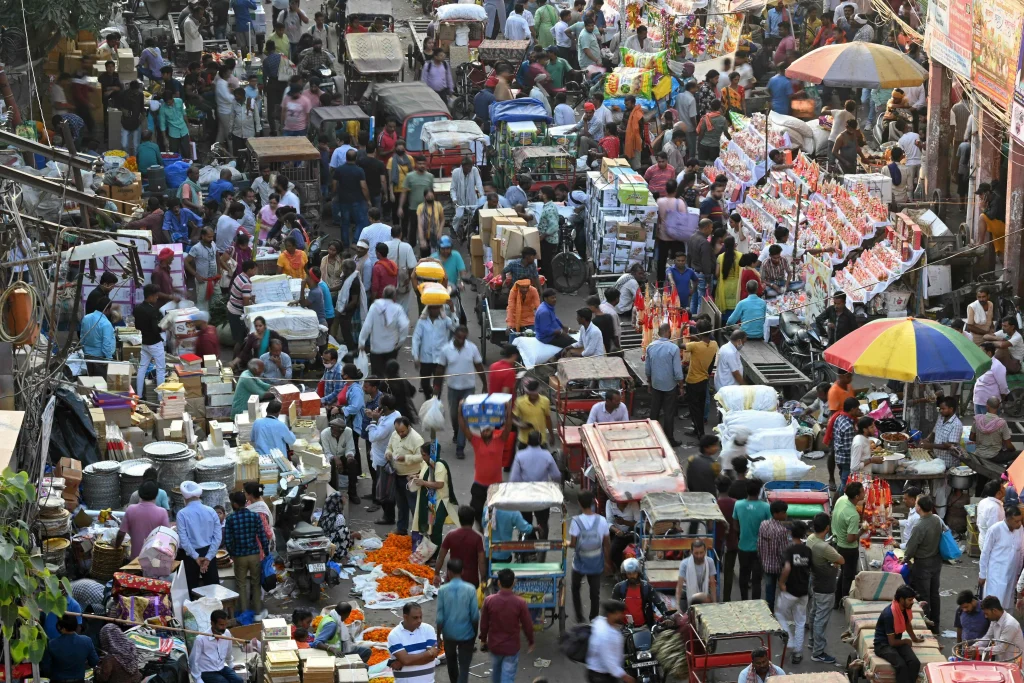
Tier-3 & Emerging Urban OOH Markets are becoming the next growth frontier for cost-effective brand visibility in India
For decades, outdoor advertising in India revolved around metro cities. Mumbai, Delhi, Bengaluru, and Chennai dominated OOH budgets due to scale and visibility. However, the growth narrative is changing rapidly. Tier-3 & Emerging Urban OOH Markets are now attracting serious attention from brands seeking efficient reach, deeper local engagement, and stronger ROI. This shift explains why smaller cities are the next growth frontier for outdoor advertising in India.
Post-2025, saturation, high costs, and regulatory tightening in metros are pushing advertisers to look beyond traditional hubs. Consequently, Tier-3 cities are stepping into the spotlight as high-impact, underutilized branding markets.
Understanding Tier-3 & Emerging Urban OOH Markets
Tier-3 and emerging urban markets include fast-growing cities with rising incomes, improving infrastructure, and expanding consumer aspirations. Cities such as Madurai, Surat, and Mangalore represent this shift clearly.
These cities may not match metros in population size, but they deliver:
-
Concentrated footfall
-
Lower media clutter
-
Strong regional brand loyalty
-
High visibility at fewer touchpoints
As a result, OOH campaigns here often achieve faster recall and stronger local impact.
Tier-3 & Emerging Urban OOH Markets: Why Smaller Cities Are the Next Growth Frontier
The biggest advantage of Tier-3 OOH markets lies in attention economics. In metros, consumers are overwhelmed by screens, signage, and ads. In contrast, smaller cities offer cleaner visual environments.
When a brand installs a hoarding at a key junction or arterial road, it often becomes the most dominant visual in the area. Therefore, a single placement can outperform multiple metro sites in terms of recall.
Moreover, regional pride and local relevance amplify the effectiveness of outdoor media in these cities.
Infrastructure Growth Is Fueling OOH Expansion
Tier-3 cities are witnessing rapid infrastructure upgrades:
-
New highways and bypass roads
-
Flyovers and widened arterial roads
-
Smart city projects and beautification drives
-
Expanding retail zones and malls
This development creates fresh, high-visibility OOH inventory. Unlike legacy metro sites, these locations are often better planned and less restricted. Consequently, advertisers gain cleaner formats and longer display durations.
Cost Efficiency and Better ROI
One of the strongest reasons brands are entering Tier-3 OOH markets is cost efficiency. Media rentals in smaller cities are significantly lower than metros. However, lower cost does not mean lower impact. Because daily commute routes are predictable and footfall is concentrated, impressions accumulate faster. Therefore, cost per impression and cost per recall are often superior. For regional brands and D2C players, this makes Tier-3 OOH a highly scalable growth lever.
Local Relevance Drives Higher Brand Trust
Consumers in Tier-3 cities respond strongly to brands that acknowledge local culture, language, and festivals. Outdoor advertising allows brands to localize messaging without diluting identity.
For example:
-
Tamil-first creatives work exceptionally well in Madurai
-
Textile and diamond trade messaging resonates strongly in Surat
-
Education, healthcare, and tourism brands see high traction in Mangalore
Because OOH is embedded in daily life, locally relevant creatives build trust faster than generic national messaging.
Categories Leading OOH Growth in Smaller Cities
Several industries are actively investing in Tier-3 OOH markets:
-
Fintech & Banking: Account adoption and trust building
-
Education & EdTech: Coaching institutes and universities
-
Healthcare: Hospitals, diagnostics, and insurance
-
Retail & FMCG: Regional penetration and store launches
-
Real Estate: Local project awareness
These sectors benefit because OOH delivers credibility in markets where word-of-mouth still matters.
Simpler Media Mix, Stronger Impact
Unlike metros, Tier-3 cities do not require overly complex media planning. A few strategic locations—bus stands, main junctions, markets, and highways—cover a large share of the city’s movement.
As a result:
-
Campaign planning is faster
-
Execution is easier
-
Monitoring is more straightforward
This simplicity allows brands to test markets quickly and optimize expansion strategies.
Regulatory Environment Is More Supportive
While regulations are tightening nationwide, Tier-3 cities often offer more flexible and cooperative local governance for outdoor media. Permissions are faster, formats are more adaptable, and innovation is easier to execute.
This encourages experimentation with:
-
Wall wraps
-
Building-mounted signage
-
Transit media
-
Temporary event-based installations
Therefore, Tier-3 markets become ideal testing grounds before scaling nationally.

How Brands Should Approach Tier-3 OOH Strategically
To succeed in emerging urban OOH markets, brands should:
-
Prioritize visibility over volume
-
Use regional language and cultural cues
-
Align creatives with local consumption habits
-
Partner with experienced local media owners
-
Plan longer-duration campaigns for sustained recall
By doing so, brands integrate naturally into the city’s visual identity rather than appearing intrusive.
The Future: From Optional to Essential
Tier-3 & Emerging Urban OOH Markets are no longer secondary options. As metros mature and fragment, smaller cities are becoming the next engine of brand growth.
In the coming years, national brands will increasingly build credibility in Tier-3 cities before chasing metro scale. Those who invest early will enjoy stronger loyalty, lower acquisition costs, and long-term market leadership.
Conclusion: Growth Lives Where Attention Is Undivided
Tier-3 & Emerging Urban OOH Markets prove that growth does not always follow size—it follows attention, relevance, and trust. Smaller cities offer exactly that.
For brands willing to think beyond metros, Tier-3 India is not the future. It is already the present.