How Brands Use Micro-Location Targeting in OOH to Maximize Impact
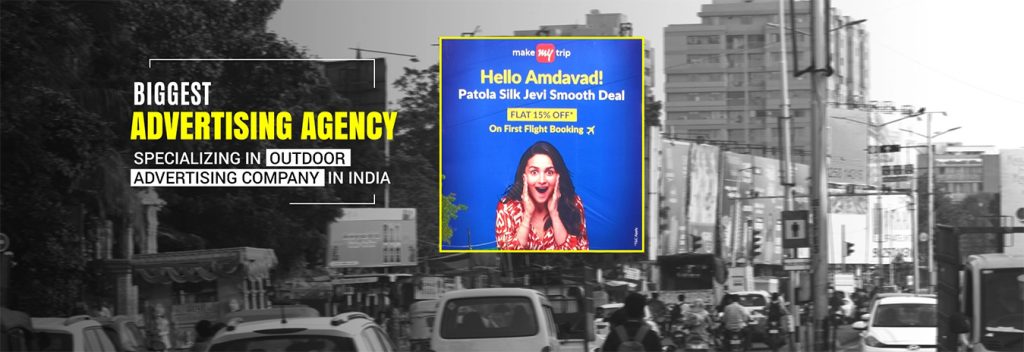
In the rapidly shifting landscape of 2026, the broad-stroke approach to advertising is officially a relic of the past. As urban centers in India become more dense and diverse, brands are realizing that a billboard in South Delhi or North Bangalore is no longer specific enough. The new gold standard is Micro-Location Targeting, a strategy that treats every street corner, every apartment lobby, and every transit hub as its own unique ecosystem with its own specific audience and intent.
The Psychology of “Hyper-Context”
The power of micro-location targeting in Out-of-Home (OOH) lies in its ability to match a brand’s message with the consumer’s immediate physical reality. This isn’t just about reaching a person; it’s about reaching them at the exact second their environment makes your product relevant.
Imagine a premium coffee brand. Instead of a city-wide campaign, they use Micro-Location Data to place high-definition digital screens only within a 200-meter radius of major corporate hubs and metro exits during the 8:00 AM to 10:00 AM window. By the time the professional reaches the office, they have encountered the brand at the peak of their “caffeine-seeking” moment. This is what marketers call Contextual Strike—the art of being the solution exactly when the problem is most felt.
Data-Triggered Precision in the “Last Mile”
With the integration of Digital Out-of-Home (DOOH) and mobile signals, micro-location targeting has become a high-tech surgical tool. Modern brands are now using Geofencing to create a surround-sound effect. When a consumer enters a specific micro-zone—like a luxury shopping wing or a high-end residential cluster—the digital screens in that area “wake up” with content tailored specifically to that demographic.
This strategy is particularly effective for high-frequency categories like Quick-Commerce (q-commerce). A delivery app can trigger ads on society elevator screens or local bus shelters that highlight “10-minute delivery” for specific items that are currently trending in that exact neighborhood. If data shows a sudden spike in snack orders in a particular residential block, the surrounding OOH assets pivot to show those exact products. This is Zero Ad-Waste in action; every rupee of the budget is spent on a consumer who is physically capable of making a purchase within minutes.

The Synergy of Mobile and Physical Space
The most sophisticated use of micro-location targeting in 2026 is the “Phygital Loop.” Brands are now syncing their OOH displays with mobile notifications. If a user has a brand’s app installed and passes a specific micro-targeted billboard, they receive a “Near-Me” notification with a society-exclusive or location-specific discount.
This creates a powerful psychological nudge. The large-scale OOH ad provides the Trust Signal and visibility, while the mobile notification provides the Call to Action. In the high-stakes Indian market, this combination moves the consumer from “Awareness” to “Transaction” without the usual friction of the digital funnel.
Dominating the “Micro-Market”
For luxury and niche brands, micro-location targeting is the ultimate budget-saver. A high-end EV brand doesn’t need to advertise to the entire city of Mumbai. Instead, they can dominate the Micro-Markets targeting only the entry gates of the top five most expensive residential towers and the parking lots of premium golf clubs.
By owning 100% of the “Visual Share” in these tiny but high-value pockets, the brand creates an illusion of massive scale. To the wealthy resident who sees the brand at home, at their club, and at their favorite cafe, the brand feels like a market leader, even if the total city-wide spend is relatively small. This is the Precision-Targeting revolution: why be a whisper in the whole city when you can be a shout in the right street?
Conclusion
Ultimately, the success of a brand in 2026 is determined by how well it understands the “Geography of Intent.” Micro-location targeting has turned the city into a patchwork of opportunities, allowing brands to speak to consumers not as a mass audience, but as individuals navigating a specific time and place.
By moving away from “Billboard Buying” and toward Moment-Based Targeting, urban brands are achieving a level of impact that was previously impossible. In the modern Indian streetscape, the winner isn’t the brand with the biggest sign, but the one that knows exactly where that sign needs to be to make the most difference.