Using Traffic Signal Locations to Capture Maximum Consumer Attention
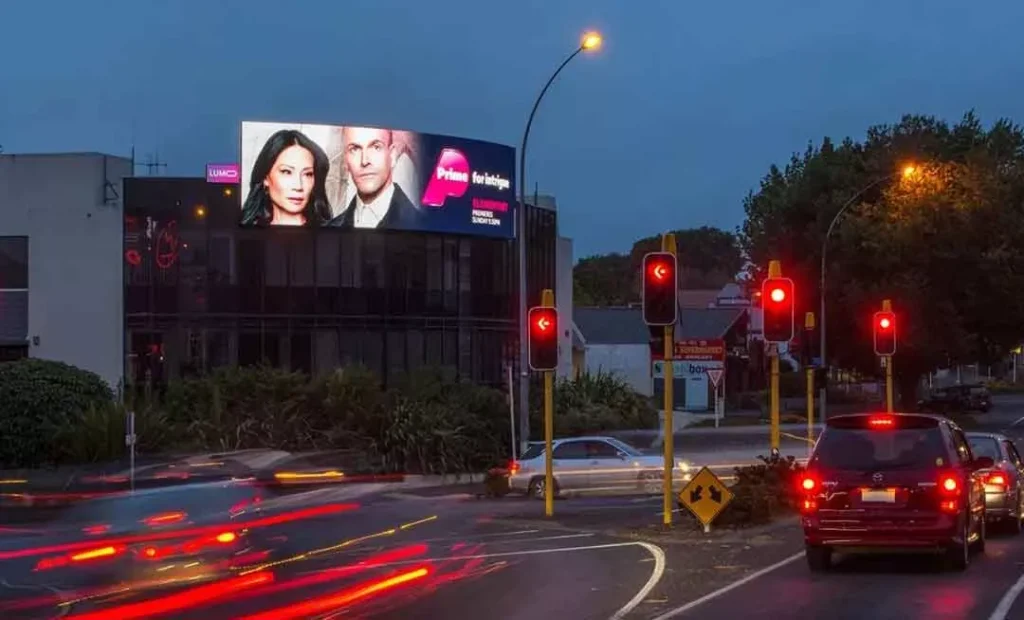
Most outdoor advertising is a race against time. On a highway, you have three seconds to make an impression before the car is a mile away. But at a traffic signal, the rules of physics and marketing change completely.
When a driver hits a red light, they go from “active navigator” to “captive audience.” Their foot is on the brake, their hands are off the wheel, and their brain is looking for something to do. This is the only moment in the entire commute where a brand can actually have a conversation with a consumer. Here is how to use traffic signal locations to secure maximum consumer attention.
1. The Captive Audience Advantage
The average red light lasts anywhere from 60 to 120 seconds. In the world of advertising, that is an eternity. While a highway billboard is a “sprint,” a traffic signal billboard advertising is a “sit-down meeting.”
Because the vehicle is stationary, you aren’t just fighting for a split-second glance. You have the luxury of time. This allows you to use more detailed copy, multi-layered visuals, or even a series of connected boards. When you use traffic signal locations, you aren’t just hoping people see your brand you are guaranteeing they have the time to process it.
2. The “Boredom Gap” and Visual Hunger
Human beings hate being bored. When we are stuck at a light, our brains instinctively scan the environment for stimulation. We look at the car next to us, we check our mirrors, and we look at the signs around us.
By placing your message at a major intersection, you are filling the “boredom gap.” Your ad isn’t an interruption; it’s a distraction. This is why maximum consumer attention is so much higher at intersections the audience is literally looking for something to read to pass the time.
3. Designing for the “Long Read”
Since you know your audience is sitting still, you can break the rules of traditional billboard design.
-
The Highway Rule: 5 words or less.
-
The Traffic Signal Rule: Tell a story.
At a stoplight, you can include a slightly longer headline, a specific call to action, or even a QR code (since the driver is stationary and can safely interact with their phone). You can display a “Menu of Services” or a “Top 3 Reasons” list. You have their ears and eyes for at least a minute don’t waste it on a three-word slogan that says nothing.
4. The Last-Mile Nudge: Proximity is Power
Intersections are the “decision nodes” of a city. They are the places where people decide to turn left toward the mall or right toward home.
Strategic placement at a traffic signal allows for maximum consumer attention right before a potential purchase. If your store is 200 yards away, a billboard at the red light acts as a directional nudge. “Hungry? Turn left at this light for the best burger in town.” By the time the light turns green, the consumer has already made the mental decision to visit you.
5. The Repetition Factor: The Daily Commute
Most people take the same route to work outdoor advertising or the grocery store every single day. If they hit the same red light every morning, they are going to look at your ad every morning.
This creates a “compounding interest” effect for your brand. On day one, they see the image. On day two, they read the headline. By day seven, they’ve memorized your location and your offer. Traffic signals provide the kind of high-frequency, high-quality exposure that builds long-term brand recall without the “burnout” of annoying digital pop-ups.
Conclusion
If you want to win the battle for maximum consumer attention, you have to find the places where people are forced to stop. A high-speed highway might give you “reach,” but a busy intersection gives you “engagement.”
By placing your brand at the red light, you are catching the consumer when they are relaxed, bored, and looking for a direction to go. Don’t just advertise to people while they’re moving wait for them to stop, and then give them something worth looking at.