Bus Shelter Advertising 2.0: From Static Panels to Smart Urban Media Platforms
4 min read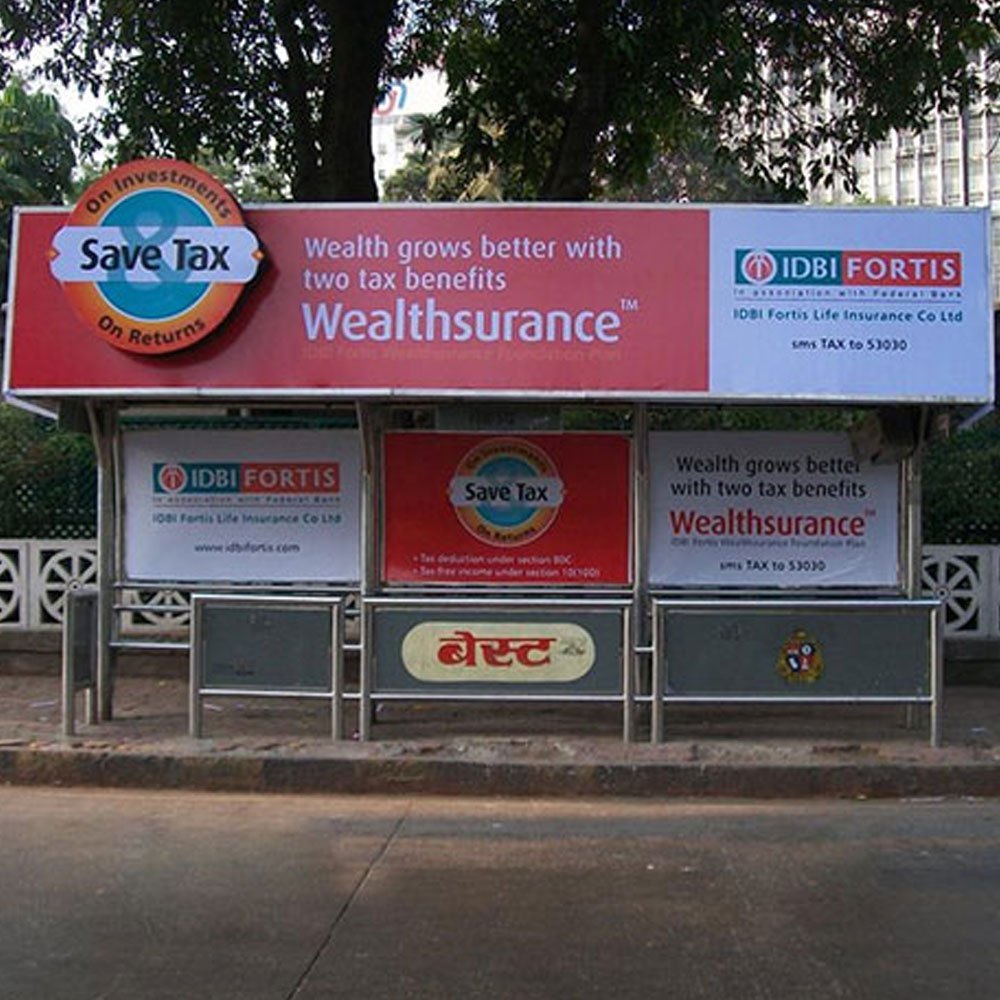
Bus Shelter Advertising 2.0 is transforming static panels into smart, connected urban DOOH platforms in India
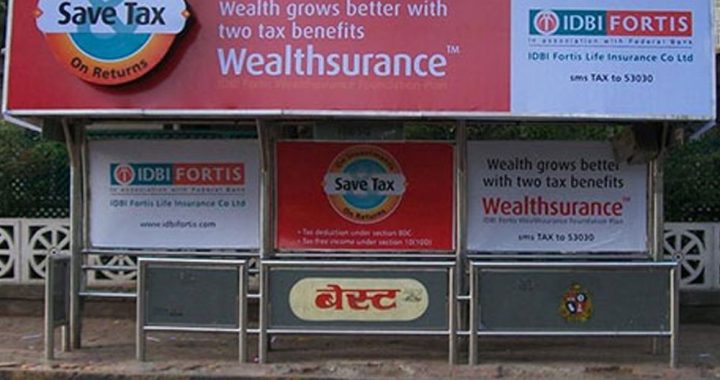
Bus shelter advertising has long been a staple of urban out-of-home media. Traditionally, it relied on static posters delivering consistent but limited impact. However, the format is undergoing a major transformation. Bus Shelter Advertising 2.0 represents the shift from passive display panels to smart, connected urban media platforms capable of targeting, measuring, and engaging audiences in real time.
As Indian cities modernise public infrastructure post-2025, bus shelters are no longer just waiting areas—they are becoming intelligent touchpoints within the urban media ecosystem.
What Is Bus Shelter Advertising 2.0?
Bus Shelter Advertising 2.0 refers to next-generation transit media that integrates digital screens, data connectivity, sensors, and software-driven ad delivery.
Unlike static panels, modern bus shelters now support:
-
Digital DOOH screens
-
Time-based and location-based creative rotation
-
Audience-triggered messaging
-
Measurement and reporting systems
Therefore, bus shelters evolve from fixed inventory into dynamic communication platforms.
Bus Shelter Advertising 2.0: From Static Panels to Smart Urban Media Platforms
The defining difference between traditional and modern bus shelter advertising lies in intelligence.
Earlier, one creative ran for weeks regardless of context. Now, smart shelters adapt messaging based on time of day, footfall patterns, weather, and commuter behaviour. As a result, advertising becomes more relevant without increasing physical clutter.

This evolution aligns bus shelter media with how digital advertising already works—contextual, responsive, and accountable.
Why Bus Shelters Are Ideal for Smart DOOH
Bus shelters naturally offer high dwell time. Commuters often spend several minutes waiting, creating a captive audience environment.
Because of this:
-
Messaging has longer exposure windows
-
Creative complexity can increase slightly
-
Recall rates are higher than roadside hoardings
When enhanced with digital capabilities, this dwell time converts into meaningful engagement rather than passive viewing.
The Role of Smart City Infrastructure
India’s smart city initiatives are accelerating the adoption of intelligent bus shelters. Cities such as Mumbai, Bengaluru, and Delhi are upgrading shelters with power, connectivity, and digital amenities.
This infrastructure enables:
-
Centralised content management
-
Real-time campaign updates
-
Integration with civic data systems
Consequently, bus shelter advertising becomes a scalable smart-city media layer.
Smarter Targeting Through Time and Location
One of the biggest upgrades in Bus Shelter Advertising 2.0 is time-location targeting.
For example:
-
Morning slots target office commuters
-
Afternoon slots focus on retail or food offers
-
Evening slots highlight entertainment and mobility
Because bus routes serve predictable commuter segments, targeting accuracy improves significantly. Thus, advertisers reach relevant audiences without invasive data collection.
Dynamic Creative Rotation Without Clutter
Static shelters face a hard limit—only one or two posters at a time. Digital shelters remove this constraint.
Through dynamic rotation:
-
Multiple brands share the same screen
-
Campaigns change by hour or day
-
Seasonal or tactical messaging becomes feasible
Importantly, this happens without adding physical clutter to streets. Therefore, municipalities support digital shelters more readily than oversized hoardings.
Measurement and Accountability in Transit Media
Historically, bus shelter advertising struggled with measurement. Bus Shelter Advertising 2.0 changes that.
Modern systems offer:
-
Play-out logs
-
Time-stamped proof-of-display
-
Estimated impressions using footfall data
-
Integration with mobile or digital attribution models
As a result, transit media becomes easier to justify in performance-oriented media plans.
Programmatic and AI-Ready Bus Shelter Networks
As DOOH networks mature, smart bus shelters are increasingly compatible with programmatic buying systems.
AI-driven platforms can:
-
Allocate ad slots dynamically
-
Optimise delivery based on performance
-
Balance exposure across advertisers
This opens the door for smaller brands to access premium transit locations more fairly, while larger advertisers gain efficiency.
Enhanced Public Utility and Brand Goodwill
Smart bus shelters often combine advertising with public utility features such as:
-
Route maps and arrival information
-
Emergency alerts
-
Weather updates
-
USB charging points or Wi-Fi
When advertising coexists with utility, brand perception improves. Commuters view ads as part of a helpful environment rather than visual noise.
Categories That Benefit Most From Bus Shelter Advertising 2.0
Several industries gain disproportionate value from intelligent bus shelter media:
-
Fintech & Apps: High-frequency urban visibility
-
Retail & QSR: Local offers near catchments
-
OTT & Entertainment: Content discovery
-
Education & EdTech: City-level awareness
-
Mobility & Travel: Contextual journey messaging
These categories thrive on repetition and relevance—both strengths of smart shelters.
Challenges in Scaling Smart Bus Shelter Media
Despite its promise, Bus Shelter Advertising 2.0 faces challenges:
-
High upfront infrastructure costs
-
Maintenance and vandalism risks
-
Power and connectivity reliability
-
Standardisation across cities
However, public–private partnerships and long-term concession models are steadily addressing these issues.
The Future: Bus Shelters as Urban Media Nodes
In the next phase, bus shelters will function as urban media nodes—connected to city data, transit systems, and advertising platforms.
They will support:
-
Hyperlocal messaging
-
Civic communication
-
Emergency broadcasts
-
Context-aware brand storytelling
Thus, bus shelter advertising becomes not just a media format, but a core part of the smart urban fabric.
Conclusion: From Waiting Space to Media Powerhouse
Bus Shelter Advertising 2.0 reflects how even the most traditional OOH formats can evolve through technology and thoughtful design.
By moving from static panels to smart urban media platforms, bus shelters deliver relevance, accountability, and public value simultaneously. In the future of Indian OOH, the most powerful screens may not be the biggest—but the smartest, right where people wait.