Bus Shelter Advertising in Kolkata: Reaching Daily Commuters with High Recall Media
8 min read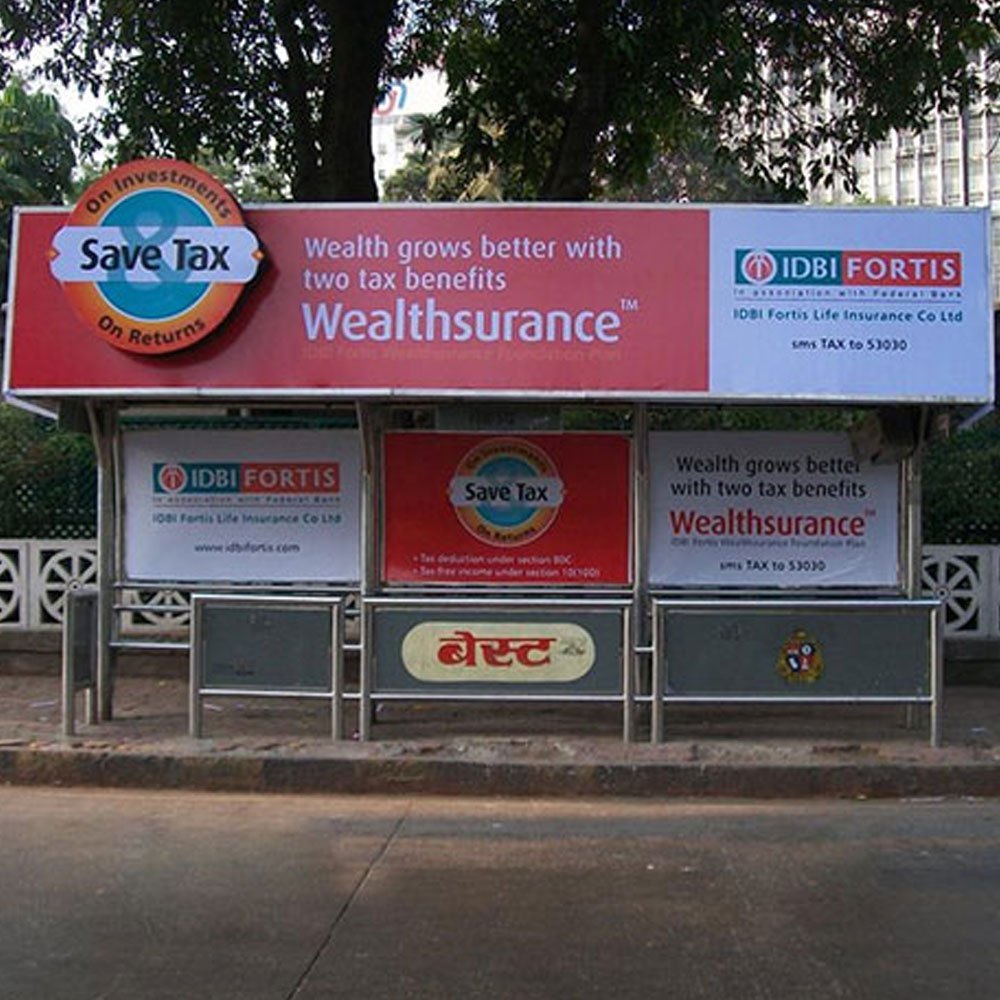
In a city as vibrant, dense, and perpetually mobile as Kolkata, outdoor advertising is not merely a marketing tool it is a language. Among the many formats that make up the city’s advertising ecosystem, bus shelter advertising stands out as one of the most strategically powerful and cost-effective mediums available to brands today. From the narrow lanes of North Kolkata to the sprawling commercial corridors of EM Bypass and the IT hubs of Salt Lake and New Town, bus shelters line the arteries of this city, silently serving millions of daily commuters.
Kolkata’s public transport system is one of the most heavily used in India. With over 5 million daily bus commuters, a robust metro network, trams, and auto-rickshaws, the city’s residents are constantly on the move. Bus shelters serve as the physical intersection between people and their journeys a moment of pause, of waiting, of unavoidable attention. For advertisers, this pause is gold.
This article explores the mechanics, advantages, strategic value, and evolving landscape of bus shelter advertising in Kolkata and why it continues to be a cornerstone of high-recall out-of-home (OOH) media campaigns.
The Urban Canvas: Kolkata’s Bus Shelter Network
Kolkata Municipal Corporation (KMC) and the West Bengal government manage hundreds of bus shelters spread across the city’s 141 wards. These shelters are located at major junctions, commercial zones, residential hubs, and educational corridors making them highly diverse in their audience reach.
Key bus shelter clusters are found in areas such as:
- Park Street, Camac Street, and AJC Bose Road — corporate and lifestyle audiences
- Salt Lake Sector V and New Town — IT professionals and young urban workforce
- Esplanade, Dharmatala, and Shyambazar — mass market and high-footfall transit zones
- Behala, Tollygunge, and Jadavpur — densely populated residential corridors
- Ultadanga, VIP Road, and Airport Gate — business travellers and mid-income families
The strategic placement of shelters ensures that a single campaign running across 50 to 100 key shelters can deliver city-wide visual saturation, reaching consumers across income groups, age brackets, and neighbourhood profiles.
Why Bus Shelter Advertising Works: The Psychology of the Wait
The fundamental advantage of bus shelter advertising lies in dwell time. Unlike a billboard seen at 60 km/h from a moving vehicle, or a digital ad that flickers past in 5 seconds, a bus shelter poster is experienced by a stationary audience. The average commuter at a bus stop in Kolkata waits between 5 and 15 minutes and during this time, the advertisement becomes a focal point.
Studies in OOH advertising consistently show that static displays viewed during dwell time generate recall rates 30–40% higher than those viewed in transit. In a high-density urban environment like Kolkata, this effect is amplified by repeat exposure the same commuter passes the same shelter multiple times a week.
This repeated, high-attention exposure creates what advertising researchers call “message reinforcement” a compounding recall effect where the consumer moves from awareness to familiarity to intent over the course of a campaign. Bus shelters, therefore, are not just awareness tools; they are brand-building assets.
Formats and Features of Modern Bus Shelter Advertising
Bus shelter advertising in Kolkata has evolved significantly over the past decade. Traditional static flex displays are now complemented by more sophisticated formats that enhance visibility and engagement.
1. Backlit Static Panels The most common format, backlit panels offer 24/7 visibility with vibrant colour reproduction. The illumination ensures that the advertisement is clearly visible even at night or during the city’s frequent overcast monsoon days. These are particularly effective for FMCG, telecom, and financial brands that rely on consistent visual identity.
2. Digital LED Displays A growing number of premium bus shelters, especially in areas like Park Street, Salt Lake, and EM Bypass, now feature digital LED screens. These allow for time-sensitive messaging, rotating creatives, and even dynamic content tied to weather or time of day. A food delivery brand, for instance, can display breakfast deals in the morning and dinner offers by evening — all on the same screen.
3. Shelter Branding / Full Takeovers For brands seeking maximum impact, full shelter branding or ‘shelter takeovers’ wrap the entire structure roof, back panel, side panels, and sometimes the bench — in branded material. This immersive format is especially favoured during product launches and festive campaigns (Durga Puja, Diwali, IPL season) when brands compete intensely for consumer mindshare.
4. Interactive and Smart Shelters Though still emerging in Kolkata, smart shelters equipped with QR codes, NFC touch points, or motion sensors are beginning to appear in commercial corridors. These allow pedestrians to engage with campaigns on their smartphones, bridging the gap between OOH and digital marketing.
Audience Profile: Who Are You Reaching?
One of the most compelling arguments for bus shelter advertising in Kolkata is the sheer diversity and volume of the audience it captures. Unlike targeted digital advertising that reaches defined user segments, bus shelters reach everyone creating mass market penetration that is difficult to replicate through other media.
The typical audience at a Kolkata bus shelter includes:
- Office-going professionals aged 22–45, representing the city’s working middle class
- Students travelling to colleges and coaching centres in areas like College Street and Jadavpur
- Homemakers and daily shoppers at markets in areas like Gariahat, New Market, and Lake Market
- Elderly commuters and senior citizens using public transport
- Street vendors, small business owners, and the informal workforce
This diversity means that bus shelter advertising is ideal for brands with mass-market products: FMCG goods, mobile handsets, banking and microfinance products, educational institutions, healthcare services, and government public awareness campaigns.
The Durga Puja Effect: Seasonal Surges in OOH Spending
No discussion of advertising in Kolkata is complete without acknowledging the city’s defining cultural event: Durga Puja. During the five days of Puja and the weeks of preparation preceding it Kolkata experiences a massive surge in consumer spending, cultural footfall, and advertising activity.
Bus shelters during Durga Puja season become premium real estate. Brands that secure key shelter locations in high-pandal zones Ballygunge, Lake Road, Deshapriya Park, and Bagbazar gain exposure to an audience of millions who take to the streets for pandal-hopping. Sponsorships of specific shelters near iconic pujas offer not just advertising space but cultural association and goodwill.
During Durga Puja, footfall in high-traffic areas of Kolkata can increase 3–5x compared to regular days. Brands that plan their bus shelter campaigns around the festive calendar booking premium spots 3 to 4 months in advance report significantly higher campaign recall and brand uplift metrics.
Measuring the Impact: Recall, Reach, and ROI
One of the historic criticisms of OOH advertising has been the difficulty of measuring impact. However, the industry has matured significantly with the introduction of audience measurement tools such as OAAA ratings, geospatial data analytics, and mobile location tracking.
In the context of Kolkata bus shelter advertising, several metrics are now trackable:
- Impressions and Reach: Based on KMRC data and footfall studies, agencies can estimate daily impressions per shelter with reasonable accuracy
- Brand Recall Studies: Post-campaign surveys in key catchment areas provide recall data, with well-executed shelter campaigns achieving unaided recall rates of 45–65%
- Digital Integration: When campaigns include QR codes or short URLs, click-through rates and engagement metrics provide direct ROI data
- Sales Correlation: FMCG and retail brands operating in specific pin codes adjacent to shelter clusters have measured category offtake increases of 8–15% during active OOH campaigns
The cost-per-thousand impressions (CPM) for bus shelter advertising in Kolkata remains highly competitive compared to digital display advertising, television, and print particularly when the quality of the impression (dwell time, attentiveness, repeat exposure) is factored into the equation.
Planning a Bus Shelter Campaign in Kolkata: Key Considerations
Location Strategy Not all shelters are equal. A shelter on Park Street has a different audience profile from one in Barasat or Howrah. Effective campaigns begin with a clear mapping of target consumer geography against shelter inventory, ensuring that creative placements are aligned with the brand’s core audience.
Creative Optimisation for OOH Bus shelter creatives must be designed with the medium in mind. Key principles include: bold visuals that work from 3 to 10 metres away, minimal text (5 to 7 words maximum for the primary message), high contrast between background and foreground, and a single, clear call to action. In Kolkata’s multilingual environment, creatives in Bengali often outperform Hindi or English-only executions in mass market segments.
Campaign Duration Industry best practice for bus shelter campaigns in Indian metros recommends a minimum campaign duration of 30 days to achieve meaningful frequency and recall. Shorter campaigns can work for event-based communication but are insufficient for brand building. 60 to 90-day campaigns, often used by telecom and banking brands, deliver compounding recall effects.
Vendor Selection and Quality Control The Kolkata OOH market has several established media owners and vendors who manage shelter inventory. Brands should evaluate vendors on: accuracy of location data, print quality standards, illumination maintenance, and the regularity of field audits. Poor execution torn creatives, non-functioning backlights, unauthorised obstructions can significantly undermine campaign performance.
Bus Shelter Advertising and the Digital Future
The most exciting development in bus shelter advertising globally and increasingly in India’s metro cities is the convergence of OOH with data and digital technology. In Kolkata, this evolution is at an early but accelerating stage.
Programmatic DOOH (Digital Out-of-Home) platforms are beginning to enable real-time ad buying, audience targeting by time of day, and campaign optimisation based on live data feeds. For Kolkata, this means that a brand could trigger a rain-gear advertisement specifically at shelters in areas experiencing heavy rainfall or promote a lunch offer between 11 AM and 1 PM at shelters near commercial hubs.
The integration of mobile data is equally transformative. By cross-referencing shelter locations with mobile device movement patterns, advertisers can now build audience profiles for specific shelters understanding not just who walks past, but where they live, work, and shop. This moves bus shelter advertising from a mass medium toward a precision medium, combining the scale of OOH & Unipole Billboard Advertising with the targeting intelligence of digital.
Conclusion: The Enduring Power of the Bus Shelter
In an era of digital fragmentation, consumer ad fatigue, and shrinking attention spans, bus shelter advertising in Kolkata offers something increasingly rare: unavoidable, high-attention, contextually relevant exposure. The daily commuter waiting for their bus is not scrolling past your message, not skipping your ad, and not distracted by another notification. They are standing in front of your brand, for minutes at a time, day after day.
For brands seeking to build presence in one of India’s most populous and economically vibrant cities, bus shelter advertising is not a legacy medium it is a living, evolving, and indispensable component of the modern media mix. Whether it is a heritage brand reinforcing trust, a challenger brand disrupting a category, or a government campaign driving public awareness, the bus shelter remains one of Kolkata’s most powerful stages.