Combining Billboards, Signage, and Unipoles for 360° Brand Visibility in Tier 2 & Tier 3 Markets Across India
5 min read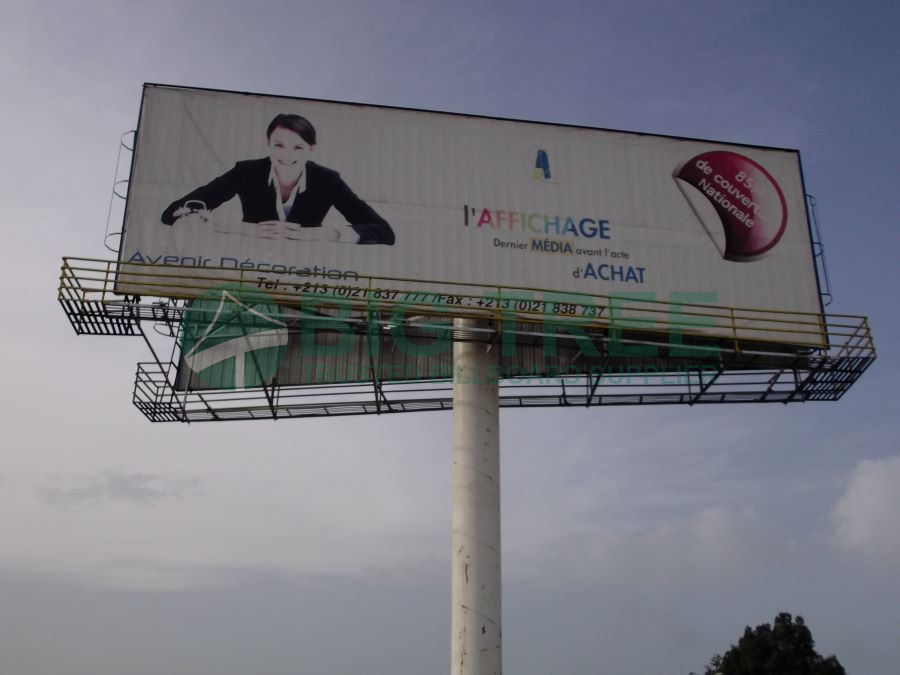
Learn how billboards, signage, and unipoles in Tier 2 and Tier 3 cities deliver 360° brand visibility and powerful regional recall.
India’s consumption story is no longer metro-centric. Tier 2 and Tier 3 cities — from Indore, Coimbatore, and Lucknow to Madurai, Surat, and Ludhiana — are driving the next phase of consumer growth. With rising disposable incomes, improved infrastructure, and growing digital awareness, these cities offer brands a fertile ground for both awareness and loyalty.
However, winning visibility here requires more than isolated advertising formats. Modern marketers are now combining billboards, unipoles, and signage advertising to build 360° brand presence across urban streets, highways, and marketplaces — ensuring that the brand stays visible at every step of the consumer journey.
The Power of an Integrated Outdoor Media Mix
In Tier 2 and 3 markets, consumers often rely on physical cues — what they see around them daily — to shape trust and recall. That’s why a multi-format outdoor strategy works best. When billboards dominate highways, unipoles capture arterial roads, and signage boards reinforce brand presence near retail touchpoints, it creates an omnipresent brand experience.
This integrated visibility model is both cost-efficient and regionally effective, ensuring your brand connects deeply with audiences who value physical brand presence as a sign of reliability.
1. Billboards: The High-Impact Awareness Driver
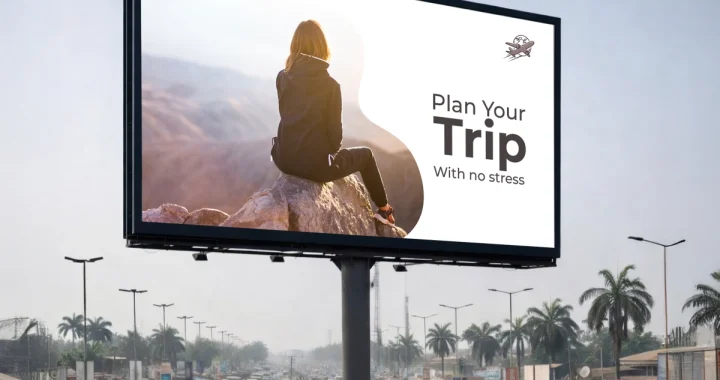
Billboards remain the flagship format of outdoor advertising. Their sheer size and placement ensure that brands are unmissable. In cities like Indore, Kochi, and Patna, premium billboards located along highways, ring roads, and shopping districts deliver millions of daily impressions.
Why Billboards Work in Tier 2 & 3 Cities
-
High Dwell Time: Slower traffic and walkable zones improve ad visibility.
-
Cost Efficiency: Billboard rentals are 60–70% cheaper than metros.
-
Local Influence: City-wide placements boost perception and trust.
Creative Tip
Use minimal text and regional language integration. Highlight your brand logo and CTA clearly — for example, “Now open in Vijayawada” or “Book your test drive today in Nagpur.”

2. Signage Advertising: The Ground-Level Brand Reinforcer
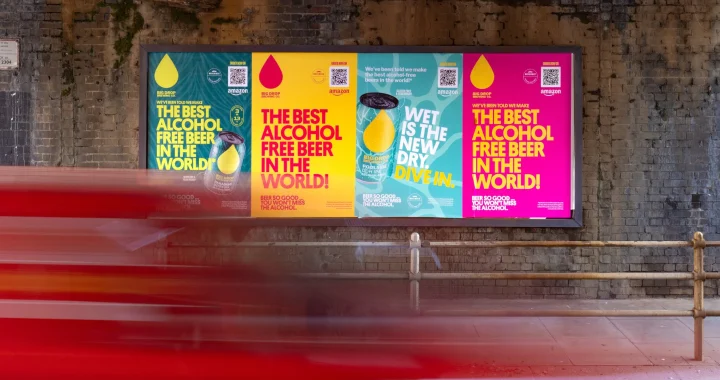
While billboards grab attention from afar, signage boards work up close, building brand familiarity at local markets, dealer outlets, and retail touchpoints. From illuminated fascia boards to pole kiosks and wall-mounted panels, signage helps brands stay embedded in everyday consumer spaces.
Why Signage Is Essential
-
Proximity to Purchase: Often positioned right where buying decisions occur.
-
Long-Term Recall: Unlike digital media, signage offers 24×7 visibility for months.
-
Customization: Adaptable for dealer branding, co-marketing, or seasonal offers.
Example
In cities like Rajkot or Trichy, FMCG and electronics brands use dealer signage with bilingual creatives to promote trust and attract walk-in customers. Over 70% of regional retail shoppers remember a brand more if they see consistent local signage.
3. Unipoles: The Perfect Midway Visibility Format
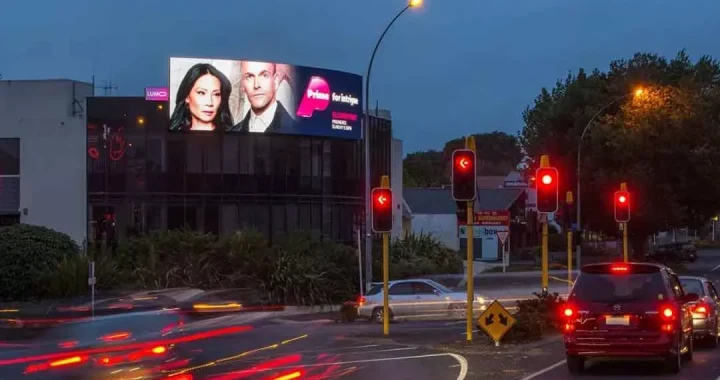
Unipoles strike the ideal balance between reach and cost. Installed on highways, ring roads, and city outskirts, they ensure brands remain visible to commuters and intercity travelers. Their vertical, elevated structure ensures unobstructed sightlines and longer viewing distance.
Why Unipoles Deliver Strong ROI
-
Strategic Placement: Perfect for connecting city entry and exit routes.
-
Durable Exposure: Typically active for 6–12 months, ensuring sustained recall.
-
High Reach: Targets both local residents and transient audiences simultaneously.
Example
A regional automobile brand in Ludhiana and Nashik deployed unipoles on industrial bypasses, leading to a 45% surge in dealership queries within one quarter.
The 360° Outdoor Model: How It Works
A true 360° outdoor campaign ensures coverage across all stages of brand visibility — discovery, familiarity, and conversion. Here’s how:
| Stage | OOH Format | Objective |
|---|---|---|
| Awareness | Billboards | Mass visibility, brand announcement |
| Familiarity | Unipoles | Consistent exposure across major routes |
| Engagement & Conversion | Signage | Point-of-sale branding and local reinforcement |
By weaving these formats together, brands can create a continuous visibility loop that keeps the brand top-of-mind across multiple touchpoints — from highways to neighborhood markets.
Case Example: FMCG and Retail Success
An FMCG brand expanding across Kanpur, Bhubaneswar, and Mangalore used a mixed OOH strategy — billboards for awareness, unipoles for continuity, and dealer signage for conversion.

After six months, the campaign results showed:
-
Brand Recall Uplift: +52%
-
Dealer Inquiries: +37%
-
Retail Sales Growth: +29%
The integrated approach helped the brand build not just awareness, but trust — a crucial factor in semi-urban markets where visibility equals credibility.
Design Principles for 360° OOH Success
-
Consistency Is Key: Keep brand colors, logos, and messages uniform across formats.
-
Adapt for Scale: Billboards demand visual drama, signage needs clarity, and unipoles require legibility from distance.
-
Speak Locally: Use local idioms, dialects, or festival references for deeper connection.
-
Optimize Lighting: Ensure all installations are visible day and night with LED or reflective material.
-
Refresh Creatives: Update content every quarter to maintain novelty and recall.
When executed well, these principles ensure every medium reinforces the same story — your brand story.
Industries Benefiting from the 360° OOH Model
-
Real Estate Developers: Advertising new projects across highways, site routes, and nearby localities.
-
Automotive Brands: Promoting new models with unipoles near showrooms and highways.
-
Retail & FMCG: Boosting visibility from malls to marketplaces.
-
Education & Healthcare: Building awareness through signage and local boards.
-
Fintech & Telecom: Establishing trust through repetitive visibility.
For these sectors, OOH isn’t just awareness — it’s a visibility-driven sales funnel.
The ROI Edge: Tier 2 & 3 OOH Campaigns
| Parameter | Metro Markets | Tier 2 & 3 Markets |
|---|---|---|
| Average CPM (Cost per 1,000 Impressions) | ₹140 | ₹60 |
| Ad Recall Rate | 45–50% | 75–80% |
| Campaign Cost | High | Moderate |
| Audience Clutter | High | Low |
| Ad Lifespan | 1–2 months | 3–6 months |
These figures show that a multi-format OOH strategy delivers stronger ROI in emerging markets — maximizing visibility with lower cost and longer lifespan.

The Future of Regional OOH: Smart, Digital, and Sustainable
The evolution of OOH in Tier 2 and Tier 3 India is moving toward integration and intelligence. Expect rapid growth in:
-
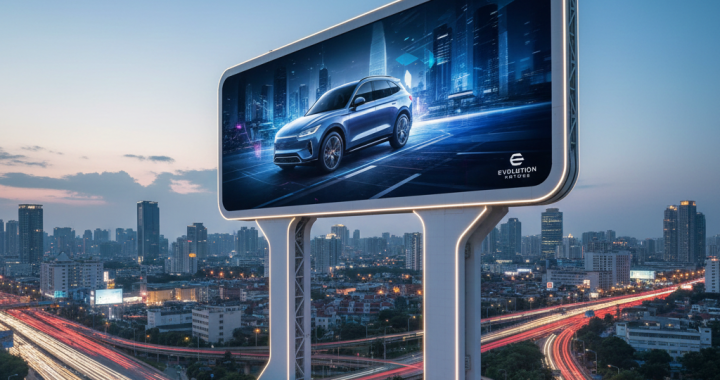
Digital unipoles and LED billboards for dynamic, time-based content.
-
Programmatic outdoor campaigns that optimize placements via audience data.
-
Eco-friendly materials like recyclable flex and solar-powered backlighting.
-
QR-enabled signage for digital engagement and performance tracking.
This fusion of physical scale and digital data will make outdoor media measurable, interactive, and sustainable.
Partner with MyHoardings for 360° OOH Advertising in Tier 2 & 3 India
MyHoardings helps brands achieve 360° visibility through an integrated outdoor approach — blending billboards, signage, and unipoles across India’s fastest-growing cities.
Why MyHoardings
-
✅ 10,000+ verified outdoor media sites across India.
-
✅ Proven expertise in Tier 2 & Tier 3 campaign planning.
-
✅ Regional language creative support and proof-of-display tracking.
-
✅ End-to-end campaign management with ROI reporting.
CTA:
Take your brand beyond metros — dominate local skylines with an integrated OOH presence.
📞 Call +91 99538 10880 or email business@myhoardings.com to plan your 360° outdoor advertising campaign today