How Emerging Advertisement Regulation Policies Are Reshaping OOH in Indian Cities
4 min read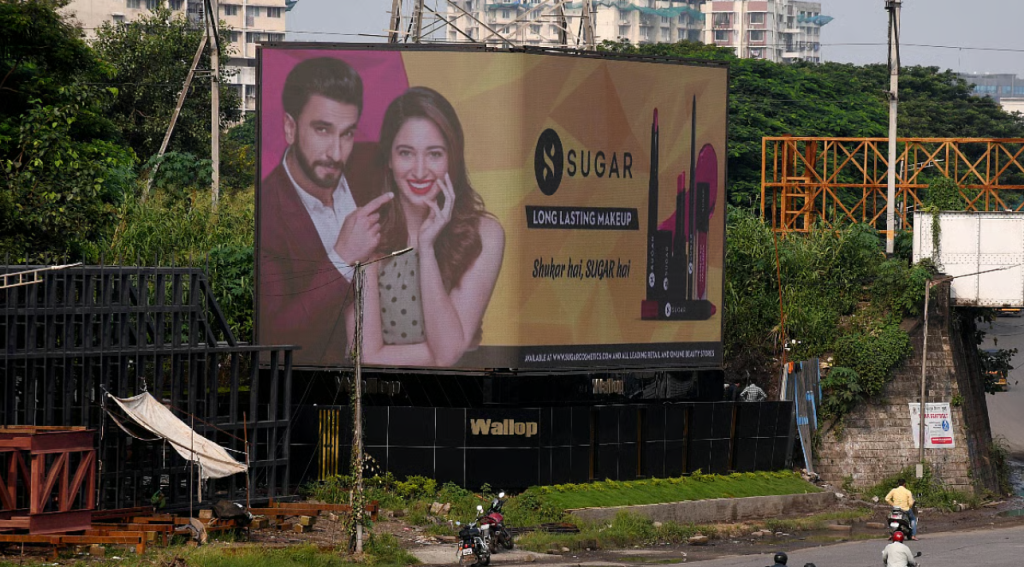
Conversational Advertising is transforming brand interactions through chatbots and immersive AI touchpoints
India’s metro cities are entering a decisive phase in outdoor advertising evolution. Post-2025, stricter municipal regulations, sustainability mandates, and urban aesthetics policies are actively reshaping how brands approach Out-of-Home media. How Emerging Advertisement Regulation Policies Are Reshaping OOH in Indian Cities (Post-2025) is no longer a theoretical discussion—it is a ground reality influencing hoardings, digital billboards, and roadside advertising strategies across the country.
As cities aim to balance brand visibility with public safety, visual order, and infrastructure efficiency, OOH advertising is being redesigned to fit within tighter regulatory frameworks.
The Rise of Post-2025 Municipal Advertising Policies
Municipal corporations across India are tightening outdoor advertising norms. These policies focus on standardisation, safety, and city beautification. Size limits, height restrictions, structural audits, and defined advertising zones are becoming mandatory.
For example, Mumbai has implemented a comprehensive outdoor advertising policy that strictly governs hoarding dimensions, placement near intersections, and visibility near residential areas. As a result, unregulated large-format hoardings are rapidly disappearing from prime junctions.
How Emerging Advertisement Regulation Policies Are Reshaping OOH in Indian Cities (Post-2025)
These regulatory shifts are not reducing OOH relevance. Instead, they are forcing the medium to mature. Brands are moving away from clutter-heavy domination strategies toward precision-led placement and compliant formats.
Because policies now limit the number and size of hoardings, advertisers must plan smarter. Consequently, media buying is becoming more strategic, data-driven, and city-specific rather than purely scale-focused.
Impact on Traditional Hoardings and Large Formats
Traditional roadside hoardings are the most affected. New rules restrict excessive height, brightness, and proximity to traffic signals, flyovers, and residential zones.
Therefore, advertisers are prioritising:
-
Premium compliant sites over mass clutter
-
Better creative readability within smaller formats
-
Longer campaign durations instead of oversized structures
This shift improves visual hygiene while increasing the value of each approved site.
Digital Billboards Under Tighter Scrutiny
Digital OOH has grown rapidly, but post-2025 policies are enforcing stricter controls on brightness levels, animation speed, and operating hours.
Municipal bodies are concerned about driver distraction and energy consumption. Hence, digital screens must now comply with:
-
Lux-level brightness caps
-
Static or slow-transition creatives
-
Mandatory night-time dimming
As a result, brands are redesigning DOOH creatives to focus on clarity and message impact rather than aggressive motion.
Roadside OOH Is Moving Toward Safer Zones
Another major outcome of regulatory change is the re-mapping of roadside OOH. Advertising near curves, medians, schools, and hospitals is increasingly restricted.
Therefore, advertisers are shifting focus to:
-
Transit corridors
-
Commercial districts
-
Parking zones
-
Entry and exit routes of business hubs
This approach aligns brand visibility with safety compliance while maintaining high exposure.
Metro Cities Adopting Uniform OOH Frameworks
Cities such as Delhi, Bengaluru, Hyderabad, and Chennai are aligning policies with smart city guidelines. Uniform frameworks ensure consistency across zones, reducing ambiguity for advertisers.
Because of this, national brands can now plan city-wise OOH strategies with clearer expectations. Consequently, planning cycles are faster and execution risks are lower.
Creative Strategy Is Becoming Regulation-Led
Post-2025 OOH creativity is adapting to regulatory constraints. Smaller formats demand stronger visual discipline.
Brands are now focusing on:
-
Bold typography
-
High-contrast colors
-
Short, impactful messaging
-
Regulation-friendly illumination
As a result, creative quality is improving even as physical scale reduces.

Sustainability and Environmental Compliance
Environmental considerations are playing a bigger role in OOH regulation. Policies now encourage recyclable materials, energy-efficient lighting, and reduced visual pollution.
This has accelerated the adoption of:
-
LED-efficient digital screens
-
Eco-friendly flex alternatives
-
Temporary and modular structures
Therefore, sustainability is no longer optional—it is embedded into compliance.
Media Planning Is Becoming More Localised
Because regulations differ by city and zone, OOH planning has become hyperlocal. Advertisers must now understand ward-level permissions and city-specific rules.
This localisation encourages collaboration with regional OOH specialists and compliance-focused agencies. Hence, media strategy is shifting from volume buying to expertise-driven execution.
Challenges for Advertisers and Media Owners
While regulations improve city aesthetics, they also present challenges. Reduced inventory increases competition for premium sites. Additionally, compliance costs and approval timelines are higher.
However, brands that adapt early gain long-term advantages. Clearer rules reduce uncertainty and improve campaign consistency over time.
The Future of OOH in Regulated Indian Cities
How Emerging Advertisement Regulation Policies Are Reshaping OOH in Indian Cities (Post-2025) clearly shows one thing: OOH is not shrinking—it is refining itself.
Regulation-driven transformation is pushing the industry toward:
-
Higher-quality media
-
Smarter city integration
-
Safer public environments
-
More accountable advertising
Brands that align with these changes will enjoy stronger recall, better urban acceptance, and sustainable visibility.
Conclusion: Compliance Is the New Competitive Advantage
Post-2025, regulatory compliance is no longer a backend concern—it is a frontline strategy. Emerging advertisement regulation policies are redefining how OOH operates, looks, and performs in Indian cities.
For advertisers, the future belongs to those who respect city frameworks, design within constraints, and plan with precision. In a regulated urban landscape, compliant OOH is not a limitation—it is a powerful differentiator.