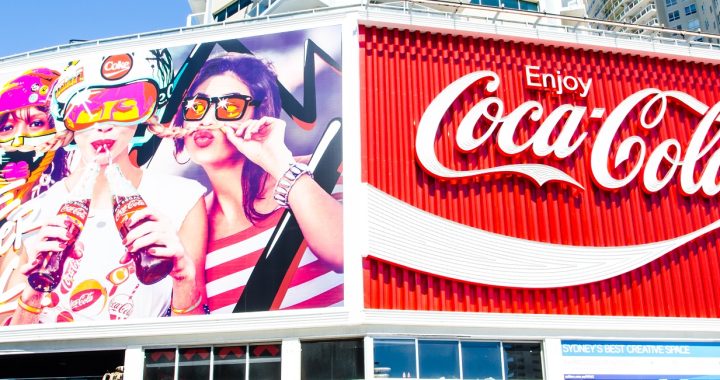
The Future of OOH Safety: Engineering Standards & Best Practices for Hoarding Installations
4 min read
The Future of OOH Safety focuses on engineering standards and best practices for safe hoarding installations in India
Outdoor advertising remains one of the most powerful visibility tools in Indian cities. However, in recent years, safety concerns around hoarding collapses, weak structures, and extreme weather incidents have pushed OOH safety into sharp focus. The Future of OOH Safety: Engineering Standards & Best Practices for Hoarding Installations examines how engineering discipline, regulatory compliance, and proactive planning are redefining outdoor media post-2025.
Today, OOH safety is no longer just a municipal requirement. Instead, it has become a shared responsibility for advertisers, media owners, engineers, and civic bodies alike.
Why OOH Safety Is Under Intense Scrutiny
Indian metro cities face unique challenges—high wind loads, heavy monsoons, aging infrastructure, and dense urban movement. When hoardings fail structurally, the consequences are severe, ranging from traffic disruption to loss of life.
As a result, civic authorities in cities such as Mumbai, Delhi, and Bengaluru have tightened enforcement around outdoor advertising safety. Therefore, the future of OOH depends heavily on engineering integrity rather than just location and size.
The Future of OOH Safety: Engineering Standards & Best Practices for Hoarding Installations
Post-2025, OOH safety frameworks are evolving from reactive checks to preventive engineering systems. Authorities now emphasize scientific design, third-party verification, and lifecycle monitoring of hoarding structures.

Instead of temporary installations driven by speed, hoardings are increasingly treated as semi-permanent urban structures. Consequently, engineering rigor has become non-negotiable.
Structural Design Standards: The First Line of Defense
At the core of OOH safety lies structural design. Modern hoardings must comply with load-bearing standards that account for:
-
Wind pressure and gust velocity
-
Dead load of the structure
-
Live load from maintenance access
-
Dynamic forces during storms
Certified structural engineers must validate design drawings before installation. Moreover, materials such as galvanized steel, corrosion-resistant fasteners, and reinforced foundations are now standard requirements.
Because environmental stress is unavoidable, overengineering—not minimum compliance—is emerging as best practice.
Wind Load Analysis and Location-Based Engineering
One-size-fits-all engineering no longer works. Hoardings installed on highways, rooftops, or coastal zones face very different stress conditions. Therefore, wind load calculations are increasingly site-specific. High-rise rooftop hoardings require different anchoring techniques compared to ground-mounted structures. In coastal cities, corrosion protection is critical. By aligning design with geography, OOH installations become safer and more durable.
Mandatory Structural Audits and Periodic Certifications
One of the most important developments shaping the future of OOH safety is mandatory auditing.
Municipal bodies now require:
-
Pre-installation structural certification
-
Periodic third-party audits
-
Post-monsoon and pre-monsoon safety checks
These audits help detect metal fatigue, loose joints, foundation settlement, or corrosion early. Consequently, risks are addressed before they escalate into accidents.
Installation Best Practices That Reduce Risk
Even the strongest design can fail if installation quality is poor. Therefore, best practices focus heavily on execution.
Key installation protocols include:
-
Proper foundation depth and curing time
-
Torque-controlled fastening systems
-
Use of certified cranes and lifting equipment
-
Controlled working hours to avoid traffic hazards
Additionally, safety barricading and signage during installation protect pedestrians and motorists. Thus, public safety is preserved even during setup.
Digital Billboards and Electrical Safety Standards
Digital OOH introduces new safety dimensions. Beyond structural integrity, electrical safety becomes critical.
Future-ready DOOH installations follow:
-
Proper earthing and surge protection
-
Fire-resistant cabling
-
Weatherproof enclosures
-
Remote monitoring for overheating or faults
Because electrical failures can trigger fires or outages, compliance with electrical engineering standards is just as vital as structural strength.

Regulatory Compliance and Accountability
OOH safety enforcement is becoming stricter and more transparent. Municipal authorities increasingly hold both media owners and advertisers accountable for non-compliance.
Key regulatory trends include:
-
Mandatory insurance coverage
-
Public disclosure of certified sites
-
Heavy penalties for illegal or unsafe hoardings
As a result, brands are now actively verifying safety certifications before booking sites. This shift makes safety a commercial consideration, not just a technical one.
Technology and Smart Monitoring in OOH Safety
Technology is playing a growing role in preventing failures. Sensors embedded in large structures can now monitor vibration, tilt, and wind stress in real time.
Additionally, drone-based inspections allow authorities to assess hard-to-reach hoardings quickly. These innovations enable predictive maintenance instead of emergency response.
Therefore, the future of OOH safety is increasingly data-driven.
Best Practices for Brands and Media Planners
Brands have an important role in driving safer OOH ecosystems. Best practices include:
-
Partnering only with compliant media owners
-
Requesting audit and certification documents
-
Avoiding illegal or temporary hoardings
-
Prioritising safety-compliant premium inventory
By doing so, brands protect not only public safety but also their reputation.
How Safety Is Reshaping OOH Planning
As safety norms tighten, OOH planning is shifting toward:
-
Fewer but higher-quality sites
-
Longer campaign durations
-
Greater focus on transit and street furniture media
Thus, safety compliance is indirectly improving the overall quality and professionalism of outdoor advertising.
Conclusion: Building Trust Through Engineering Discipline
The Future of OOH Safety is rooted in engineering excellence, regulatory discipline, and ethical accountability. Hoardings are no longer just advertising assets—they are public structures with civic responsibility.
By adopting strong engineering standards and best practices, the OOH industry can prevent accidents, protect lives, and sustain long-term growth. In the post-2025 era, safety is not a constraint—it is the foundation of credible outdoor advertising.