How Technology and DOOH Are Transforming Highway Advertising in India
2 min read
How Technology and DOOH Are Transforming Highway Advertising in India with data-driven targeting, automation, and dynamic displays.
Digital Out-of-Home (DOOH) technology is transforming the way brands communicate with travellers, truckers, daily commuters, and long-distance passengers. As a result, highways are no longer just linear routes. They have become data-driven advertising corridors that enable brands to deliver sharper, more dynamic, and more measurable campaigns. Highway advertising in India is undergoing a massive shift.
Below is a detailed look at how technology and DOOH are reshaping the industry.
DOOH Is Reshaping Highway Engagement
The introduction of DOOH screens along major national highways has changed the landscape of outdoor marketing. Traditional static hoardings still hold value. However, digital displays allow advertisers to update content instantly, publish multiple creatives, and run time-based messages. This flexibility improves campaign relevance. It also increases engagement because messages change based on time, weather, or traffic conditions.
Smart Data and Tech Integration Enhance Targeting
Technology does more than display ads. It powers intelligent decision-making. DOOH networks use GPS data, traffic analytics, and commuter movement patterns to determine the best time to show specific creatives. Brands can target commercial vehicle routes, weekend tourist traffic, or peak travel hours.
Furthermore, smart sensors help estimate impressions more accurately. This improves campaign ROI and offers transparency that traditional OOH formats cannot.
Programmatic DOOH Makes Buying Seamless
Programmatic advertising has entered the outdoor media space. The Programmatic DOOH (pDOOH) allows brands to buy highway inventory using automated platforms. This eliminates manual negotiations and speeds up deployment. Campaigns can be activated instantly across multiple highways, making national rollouts faster.
Moreover, advertisers can pause or adjust campaigns in real time. This ability reduces wastage and ensures that budgets are spent efficiently.
Dynamic Creative Optimization Boosts Impact
Dynamic Creative Optimization (DCO) is one of the most powerful upgrades in highway advertising. DOOH screens can display content triggered by:
-
Weather (e.g., rains, heatwaves)
-
Time of day
-
Festivals or local events
-
Traffic jams
-
Vehicle categories passing by
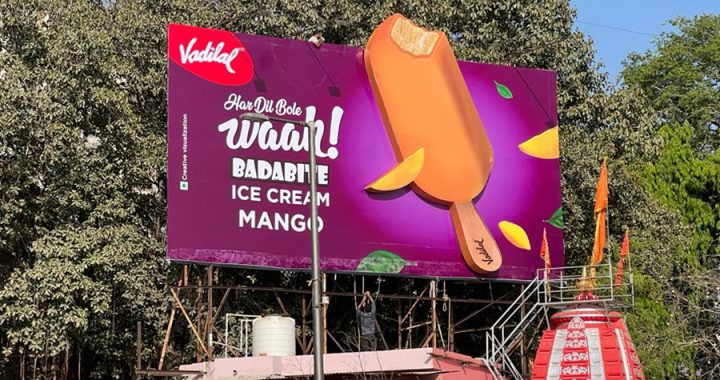
For example, an ice-cream brand can push ads during hot afternoons. Similarly, a tyre brand can promote safety messages during heavy rainfall. This relevance increases recall and improves brand connection.
Better Measurement Improves Accountability
Measurement has always been a challenge in OOH. Technology solves this problem through:
-
AI-based impression counting
-
Mobile-signal density mapping
-
Traffic pattern analysis
-
Remote screen monitoring
Brands can now track views, frequency, and exposure more reliably. This transparency builds trust and encourages greater investment in DOOH.
Sustainable and Energy-Efficient Displays
Sustainability is another major driver. Modern digital billboards use energy-efficient LEDs and smart power systems. Solar-powered screens are gaining popularity on highways with high sunlight exposure. As a result, brands can promote sustainability while reducing operational costs.
The Future: Connected Highways and Smart Corridors
India’s national highways are rapidly transforming into smart corridors. Integrated command centers, IoT sensors, and camera networks will further improve DOOH capabilities. Soon, brands will create hyper-contextual campaigns that react instantly to real-world conditions.
This evolution ensures that highway advertising remains one of the most powerful outdoor media options in the country.