Legal Guidelines, Permissions, and Best Practices for Highway Hoardings
3 min read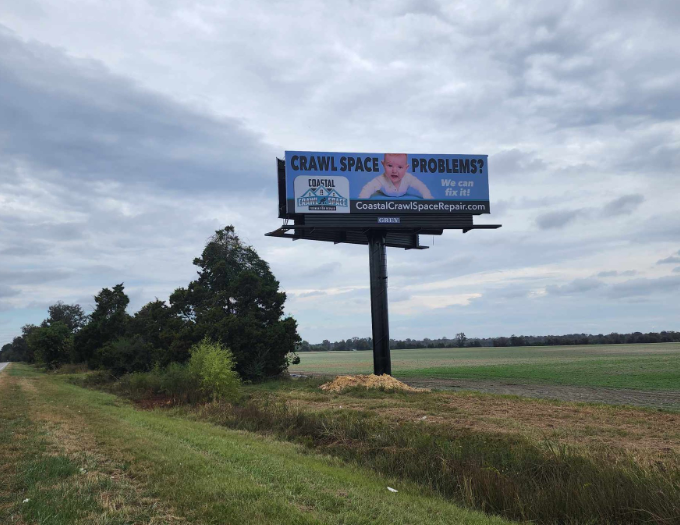
However, brands must follow the Legal Guidelines, Permissions, and Best Practices for Highway Hoardings to ensure compliance and safety.
Highway advertising is one of the most powerful tools for mass visibility. However, brands must follow the Legal Guidelines, Permissions, and Best Practices for Highway Hoardings to ensure compliance and safety. Because highways fall under both central and state authorities, advertisers must navigate multiple approvals before installing hoardings, unipoles, gantries, or digital billboards.
Understanding the legal framework prevents penalties, avoids removal orders, and ensures long-term advertising success.
Legal Guidelines, Permissions, and Best Practices for Highway Hoardings: Key Regulatory Bodies
Highway hoarding permissions are governed by several authorities depending on the location:
-
NHAI (National Highways Authority of India) – For national highways and expressways
-
PWD / State Highway Authorities – For state highways
-
Municipal Corporations – For locations within city limits
-
Police & Traffic Departments – For safety clearances
-
MoRTH (Ministry of Road Transport and Highways) – Sets national safety norms
Because each body has specific rules, advertisers must ensure proper documentation before installation.
Mandatory Permissions Required for Highway Hoardings
1. Structural Stability Certificate
A certified structural engineer must validate that the hoarding can withstand wind load, vibrations, and environmental conditions.
2. NOC from Local Authorities
Advertisers need a No-Objection Certificate from municipal or highway authorities confirming that the structure does not obstruct traffic or violate zoning rules.
3. Traffic Safety Clearance
The traffic police must verify that the placement does not distract drivers or block important road signs.
4. Landowner Permission
If the hoarding is placed on private land, a legally binding agreement with the landowner is required.
5. Compliance with NHAI/MoRTH Advertising Policies
Rules include minimum distance from intersections, no obstruction to road signs, and specific height/size limits.
General Legal Guidelines for Highway Hoardings
Follow Size Restrictions
NHAI typically restricts extremely large, distracting formats near high-speed corridors. Advertisers must adhere to approved dimensions.
Maintain Mandatory Distance from the Road
Billboards must maintain a safe offset to avoid obstructing visibility for drivers.
No Hoardings in Accident-Prone Zones
Authorities prohibit advertising structures at sharp bends, blind spots, flyovers, and underpasses.
Illumination Rules for Night Advertising
Lighting should not blind drivers. It must be steady, non-flashing, and appropriately angled.
Environmental Compliance
Billboards must not damage trees, water bodies, or protected landscapes.
Best Practices for Highway Hoardings
Use High-Contrast Designs
Readable fonts, simple visuals, and high contrast help travellers absorb the message within seconds.
Prioritise Safety and Visibility
Hoardings should never block emergency signs, road markers, or directional boards.
Regular Maintenance and Inspections
Perform periodic structural checks, repainting, and lighting verification to prevent accidents or regulatory violations.
Choose High-Traffic Yet Compliant Locations
Select sites near toll plazas, rest stops, or stable traffic zones for longer viewing time.
Stay Updated on Changing Laws
Highway advertising rules evolve regularly. Brands and media owners should track NHAI circulars and state-specific guidelines.
Conclusion
Following the Legal Guidelines, Permissions, and Best Practices for Highway Hoardings is essential for safe, effective, and compliant outdoor advertising. With proper approvals, sound structural design, and responsible placement, brands can leverage highway routes for maximum visibility without risking penalties or safety issues. A legally compliant hoarding not only protects advertisers but also enhances long-term brand credibility.