The Role of Location Intelligence in Successful OOH Campaigns
3 min read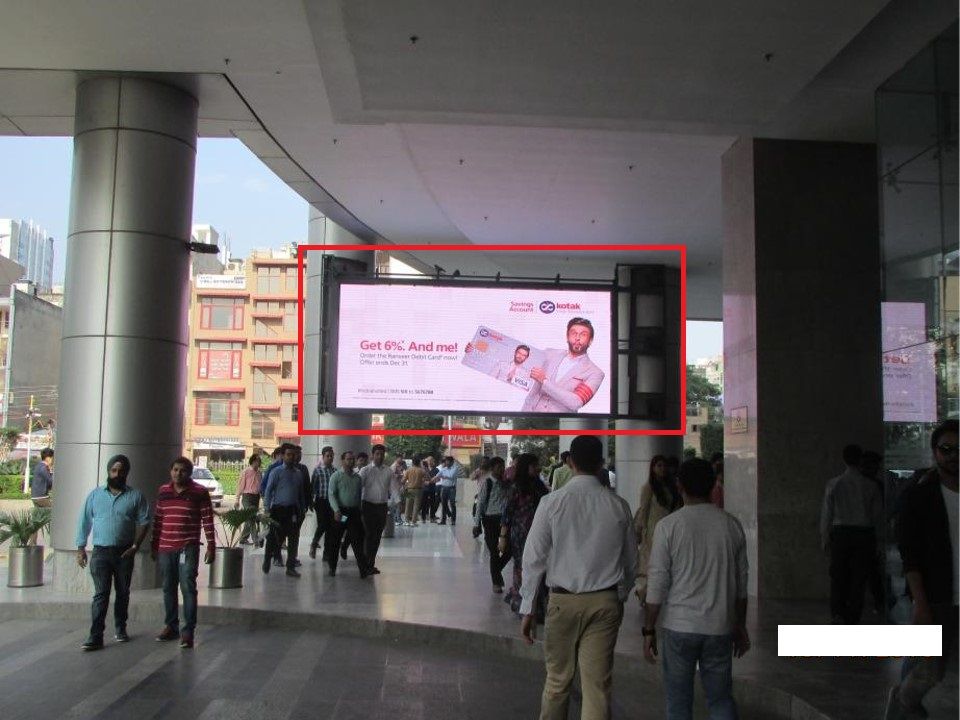
For decades, the OOH industry sold “eyeballs.” A media owner would point at a massive hoarding on a flyover and say, “Two million people drive past this every month.” And brands would write a massive check based on that one number.
But here’s the problem: Most of those “eyeballs” are useless. If you are selling a premium electric SUV, you don’t care about two million people. You care about the 4,000 people in that crowd who actually have the bank balance and the charging port at home to buy one. Location intelligence is the “BS detector” of the advertising world. It stops brands from paying for a crowd and starts letting them pay for a target.
1. Decoding the “Vibe” of a Street
Every street has a personality, and that personality changes by the hour.
-
At 8:00 AM, a specific junction is packed with stressed corporate employees fueled by caffeine.
-
At 2:00 PM, that same spot belongs to college students and delivery riders.
-
At 8:00 PM, it’s families heading out for dinner.
Old-school OOH Advertising treated that spot the same all day. Location intelligence uses anonymized mobile pings to tell a brand: “Hey, only turn your Digital OOH ad on between 7:30 and 9:30 AM, because that’s when your high-income CEOs are actually on this road.” It turns a billboard from a “static picture” into a “smart employee” that knows when to work and when to take a break.

2. Finding the “Path of Least Resistance”
We all have “commuter amnesia.” We drive the same route so often that we stop seeing the giant billboards on the highway. We’ve tuned them out.
Location intelligence helps brands find the “Pattern Breakers.” Data might show that while your target audience drives the main highway, they all stop at a specific cluster of high-end grocery stores or a particular “shortcut” road to avoid a toll. By placing a smaller, sharper ad in those “secondary” spots, you catch the consumer when their guard is down. You aren’t fighting ten other billboards for attention; you’re the only voice in a quiet room.
3. The “Store Visit” Proof (The Holy Grail)
The biggest lie in advertising used to be that you couldn’t track a billboard’s success. With location intelligence, we can finally “close the loop.” By geofencing a 50-meter radius around a billboard, a brand can see (anonymously) that a phone which was “seen” near the ad on Monday physically walked into the brand’s showroom on Wednesday.
It’s called Footfall Attribution. It turns OOH from a “maybe it worked” expense into a “here is exactly how many people showed up” investment. That is a game-changer for anyone trying to justify a marketing budget to a CFO.

4. Contextual “Magic” (Not Just Data)
The best part of location intelligence isn’t the spreadsheets; it’s the relevance. Imagine you’re a sunblock brand. Your data shows that UV levels just spiked in a specific part of the city. Within seconds, your Digital OOH Screens Advertising in that area flip to a “Protect your skin today” creative.
This doesn’t feel like an ad. It feels like the city is talking to you. When a brand reacts to the weather, the traffic speed, or even a local sports score in real-time, it earns mental real estate. People remember the brand that was “smart” enough to know what was happening around them.
The Reality Check
In 2026, if you’re still buying OOH based on “it’s a big board in a busy place,” you are overpaying for a lot of people who will never buy your product.
Location intelligence is about precision over volume. It’s about realizing that 1,000 of the “right” people are worth more than a million of the “wrong” ones. The future of OOH isn’t in the size of the board; it’s in the depth of the data behind it.