Mixed Billboard Cluster (Multi-Brand Hoarding Stack): Dominating Visual Real Estate at Busy Metro Junctions
3 min read
The Mixed Billboard Cluster (Multi-Brand Hoarding Stack) is a common yet powerful outdoor advertising phenomenon across Indian metro cities.
The Mixed Billboard Cluster (Multi-Brand Hoarding Stack) is a common yet powerful outdoor advertising phenomenon across Indian metro cities. Found near high-traffic intersections, flyover approaches, and signal-heavy junctions, these clusters feature multiple billboards stacked or grouped together, each carrying a different brand message.
Rather than standing alone, brands choose to be part of these clusters to collectively dominate visual attention, ensuring that commuters are surrounded by advertising during peak dwell-time moments.
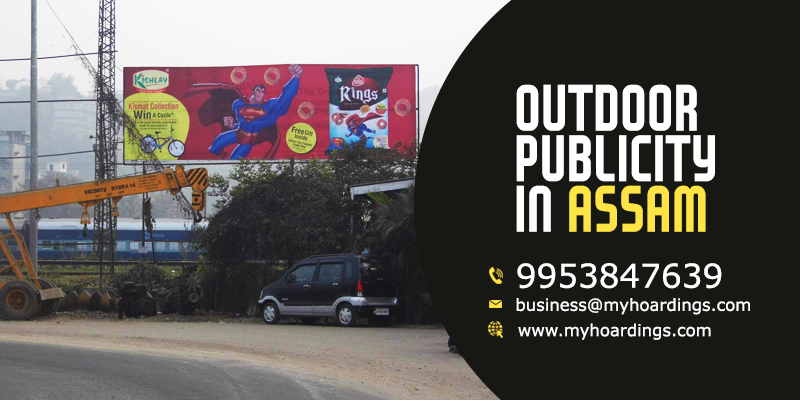
Why Mixed Billboard Clusters Exist in Indian Cities
High Traffic Meets High Demand for Visibility
Busy junctions naturally attract advertisers. As a result, multiple hoardings are often installed in close proximity to:
-
Capture maximum eyeballs
-
Monetise premium road-facing land
-
Offer brands access to guaranteed commuter traffic
Therefore, the mixed billboard cluster becomes a natural outcome of demand exceeding available premium locations.
Unavoidable Exposure for Commuters
At traffic signals and congestion points, vehicles slow down or stop entirely. Consequently, commuters are exposed to several brand messages at once, making billboard clusters highly effective for awareness-driven campaigns.
Strategic Importance of Billboard Clusters in Metro Cities
Commonly Seen Across Major Urban Centres
Multi-brand hoarding stacks are frequently observed in metros like Mumbai, Delhi, Bengaluru, and Hyderabad.
These cities share:
-
Heavy daily commuter volumes
-
Dense road networks
-
Long signal wait times
As a result, billboard clusters here deliver exceptional frequency and recall.
How Brands Benefit from Multi-Brand Hoarding Stacks
Collective Attention Amplification
While a single hoarding may be missed, a cluster creates visual saturation. Even if a commuter does not remember every brand, they remember being surrounded by advertising, which improves the chance of brand recall.
Association with High-Value Locations
Being part of a billboard cluster at a known junction signals that the brand is:
-
Established
-
Actively present in the city
-
Competing for top-of-mind awareness
This perceived scale adds credibility, especially for emerging brands.
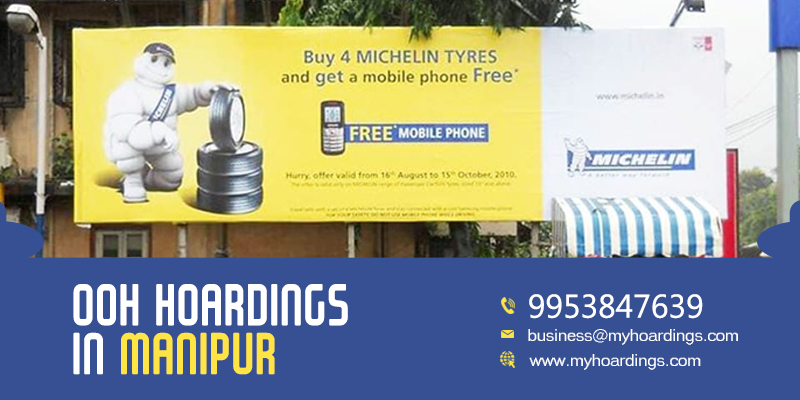
Typical Brand Categories Seen in Billboard Clusters
FMCG and Daily-Use Brands
FMCG brands leverage clusters to ensure repetition and familiarity, which is essential for impulse and routine purchases.
Real Estate and Infrastructure Brands
Developers often use billboard clusters to announce new launches, possession updates, or location-based projects.
Education, Fintech, and Service Brands
Coaching institutes, apps, hospitals, and local services use these locations to tap into mass urban audiences.
Creative Challenges Inside a Mixed Billboard Cluster
Competing for Attention Within Clutter
Since multiple brands coexist, creatives must:
-
Use bold colours
-
Keep copy minimal
-
Focus on one strong visual cue
Otherwise, the message risks getting lost among neighbouring hoardings.
The Need for Fast Readability
Commuters rarely read long messages in clustered environments. Therefore, clarity within seconds becomes the key success factor.
Best Practices for Advertising in Billboard Clusters
To stand out in a mixed billboard cluster (multi-brand hoarding stack), brands should:
-
Prioritise logo and brand colours
-
Avoid excessive text
-
Use strong contrast against the sky or surroundings
-
Design for long-distance readability
These principles help ensure visibility even in visually crowded zones.
Advantages Over Isolated Hoardings
Higher Aggregate Attention
Clusters naturally pull the eye because of scale and repetition. As a result, brands benefit from the overall visual gravity of the location.
Cost-Efficient Entry into Premium Zones
In some cases, being part of a cluster allows brands to access premium junctions at a lower cost compared to owning the single largest site.
Ideal for Awareness and Recall Campaigns
Clusters work best for:
-
Brand awareness
-
City launches
-
Mass-reach messaging
They may not drive immediate action, but they excel at memory-building.
Integration with Wider Media Campaigns
A mixed billboard cluster delivers the strongest results when paired with:
-
Radio advertising during commute hours
-
Digital and social media retargeting
-
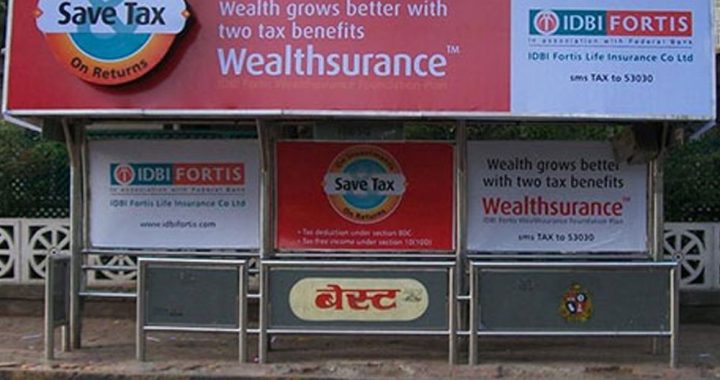
Nearby transit or bus shelter ads
Together, these channels create a reinforced commuter journey, from road to mobile screen.
Impact of Mixed Billboard Clusters on Urban Advertising
Over time, billboard clusters become:
-
Recognisable city landmarks
-
Default brand discovery zones
-
Anchors of urban advertising ecosystems
For many brands, being present in these clusters is less about exclusivity and more about staying visible where attention naturally accumulates.
Conclusion
The Mixed Billboard Cluster (Multi-Brand Hoarding Stack) remains a defining feature of outdoor advertising in Indian metros. While visually competitive, these clusters offer unmatched frequency, unavoidable exposure, and strong city-level presence.
For brands aiming to dominate awareness at busy intersections, mixed billboard clusters continue to be a proven, practical, and scalable OOH strategy in India’s fast-moving urban landscapes.