The 30-Minute Audience: Why Modern OOH Is Built Around Waiting Time!!
In a world filled with endless notifications, digital distractions, and fast-scrolling content, capturing consumer attention has become increasingly difficult. Yet there is one moment when audiences naturally become more receptive to brand messaging: when they are waiting.
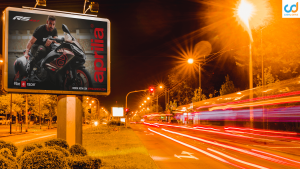
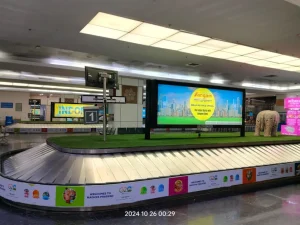
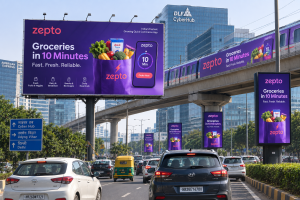
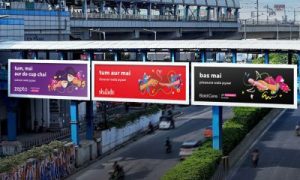
Modern Out-of-Home (OOH) advertising is increasingly designed around these waiting periods. Whether people are standing on a metro platform, waiting at an airport gate, sitting in a traffic jam, charging an electric vehicle, or standing in a retail queue, they often have limited distractions and more time to absorb their surroundings. For advertisers, these moments represent one of the most valuable opportunities to build awareness and create meaningful engagement.
Why Waiting Time Creates Stronger Brand Impact
Unlike consumers rushing through busy environments, people who are waiting tend to observe more of what is happening around them. They have more time to notice visual elements, read messages, and process advertising content.
This extended exposure increases the likelihood of brand recall. A commuter waiting ten minutes for a train may view the same advertisement multiple times. A traveler spending thirty minutes at a boarding gate may repeatedly encounter digital displays and branded experiences.The longer consumers remain in one place, the greater the opportunity for brands to communicate effectively.

The Rise of the 30-Minute Audience
Today’s cities are filled with waiting environments that attract large audiences every day. Airports, railway stations, metro networks, bus terminals, shopping malls, fuel stations, EV charging hubs, hospitals, and commercial complexes all generate consistent waiting periods.
These locations have become premium advertising destinations because they combine high footfall with extended dwell time. Instead of relying solely on reach, advertisers can benefit from deeper engagement and stronger message retention.
The concept of the “30-Minute Audience” reflects this shift. Rather than targeting people on the move, brands are increasingly focusing on audiences that remain stationary long enough to absorb and remember advertising messages.
How OOH Is Adapting to Waiting Environments
Modern OOH campaigns are specifically designed to take advantage of longer viewing durations. Digital screens, interactive installations, experiential activations, and storytelling-based creative formats perform particularly well in waiting environments.
Instead of delivering quick impressions, advertisers can communicate richer narratives and more detailed information. This creates a stronger connection between the brand and the audience.As technology continues to evolve, waiting-time advertising will become even more dynamic through personalized content, real-time messaging, and location-based experiences.