How Transit Advertising Expands Brand Reach Across Urban and Rural Markets
3 min read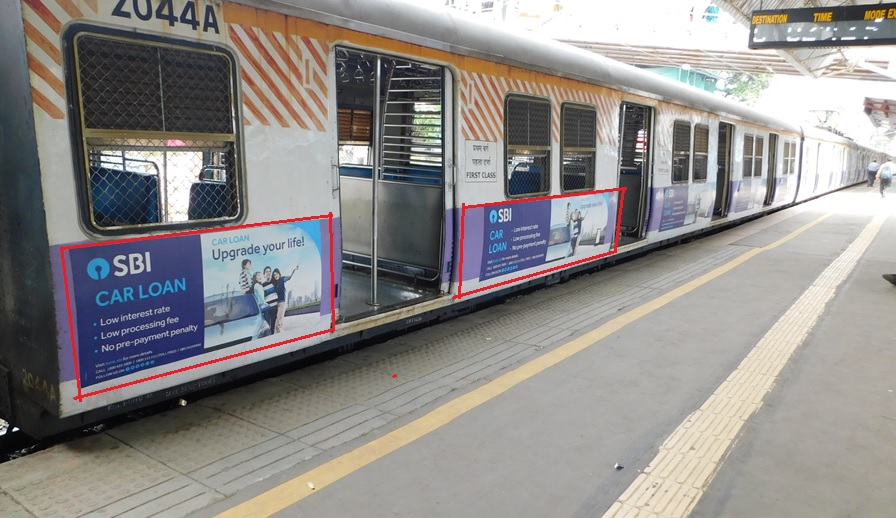
When we talk about advertising that “moves,” most people picture a shiny vinyl wrap on a city metro or a digital screen in a posh airport terminal. But the true power of transit advertising isn’t just in the sleek city centers; it’s in the dusty state buses, the regional trains, and the inter-city cabs that act as the connective tissue between India’s buzzing metros and its deep rural heartlands.
Transit advertising is the only medium that physically travels through the economic divide. It starts in a Tier-1 city and ends in a village, carrying a brand’s message across every demographic in between. Here is how “mobile billboards” are breaking the barriers that digital and static OOH simply cannot.
1. The “Moving Landmark” Effect
A billboard is a stationary object; it waits for people to come to it. Transit advertising whether it’s a wrapped bus, an auto-rickshaw, or a train is proactive. It goes where the people are.
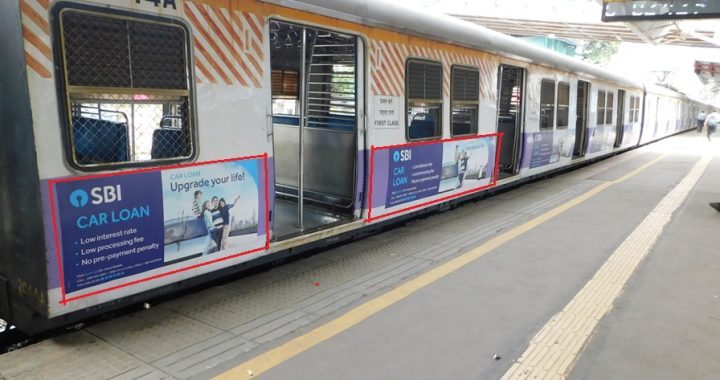
In urban markets, transit media cuts through the concrete jungle. A branded bus winding through a high-traffic business district at 9:00 AM is seen by thousands of white-collar professionals. By 2:00 PM, that same bus might be moving through residential suburbs, and by evening, it’s parked at a major transit hub. It’s a high-frequency “moving landmark” that becomes a familiar sight in the daily life of a city dweller.

2. Bridging the “Media Dark” Rural Zones
While the “Next Billion Users” are coming online, many rural areas are still “media dark” or suffer from digital fatigue and poor connectivity. In these regions, a state transport bus (like an MSRTC in Maharashtra or a UPSRTC in UP) isn’t just a vehicle it’s a lifeline.
When a brand wraps a regional bus, it enters villages where traditional billboards don’t exist. For a rural consumer, a brightly branded bus arriving at the village square is a major visual event. It brings a “big city” brand directly to their doorstep, creating an immediate sense of aspiration and trust. Because the bus is a vital local service, the brand on it inherits a sense of reliability.
3. High Dwell Time: The “Captive” Audience
The magic of transit advertising isn’t just on the outside of the vehicle; it’s on the inside.
-
In Urban Metros: A commuter spends an average of 20 to 40 minutes inside a train or a cab. During this time, they are looking for a distraction. Internal panels and digital screens provide a “captive” environment where residents actually read the fine print.
-
In Rural/Inter-city Travel: A bus journey between a town and a city can take hours. Branding on the back of seats or internal posters gets a level of “undivided attention” that a 5-second Instagram story can never achieve.

4. Hyper-Local Targeting on a Mass Scale
Transit advertising allows brands to be incredibly specific about who they are talking to.
-
The Route Strategy: If you want to reach techies, you wrap the shuttle buses heading to Electronic City in Bangalore.
-
The Pilgrim Strategy: If you want to reach rural families, you brand the buses heading to religious hubs or major weekly “Haats” (rural markets). By picking the right route, you aren’t just buying “reach”; you’re buying a specific lifestyle path.
5. Cost-Effectiveness: The “Per Mile” Value
Compared to the massive monthly rentals of a static hoarding in a prime city spot, transit advertising offers incredible ROI. A single branded vehicle travels hundreds of kilometers a day, touching multiple pin codes.
For a brand looking to scale, transit is the ultimate “force multiplier.” You get the high-brow visibility of a city campaign and the deep-penetration reach of a rural campaign, all with the same moving asset.
The Final Word
In 2026, the most successful brands are the ones that feel “omnipresent.” Transit advertising creates the illusion that a brand is everywhere at once. Whether a consumer is standing at a plush city signal or a remote village bus stop, they see the same logo rolling past them.
It’s the ultimate bridge. It democratizes branding, making premium products visible to rural India and daily essentials familiar to urban India. In the race for brand recall, the one who moves the most, wins.