How RWA Advertising Helps Brands Reach Premium Urban Families
If you’ve ever lived in a gated community in a major city, you know that the “neighborhood” doesn’t end at your front door. It extends to the walking tracks, the gym, and the morning rush at the main gate.
For brands, this isn’t just a residential area it’s a goldmine of focused attention. While digital ads are fighting for a split-second of your time between scrolling, Resident Welfare Association (RWA) advertising is quietly becoming the most effective way to reach the modern urban family.
Here is why this strategy is actually working.
1. The Power of “Implicit Trust”
Think about how you react to an ad on a highway versus an ad inside your housing society. On the road, it’s just noise. But inside your society, there is a “filter” of trust. Residents know that for a brand to set up a kiosk or put up branding at the lift lobby, they had to go through the RWA board.
This acts as a soft endorsement. For premium brands whether it’s high-end real estate, luxury automobiles, or organic food labels being “inside the gates” removes the initial skepticism that usually kills a sale.
2. Catching the “Joint Decision-Makers”
In most urban households, big decisions aren’t made by one person sitting alone at a laptop. They happen during a family walk after dinner or while parents are waiting for the school bus in the morning.
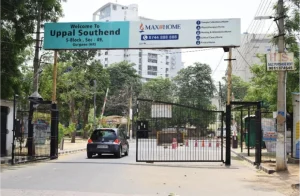
RWA gate advertising captures families when they are together and relaxed. I’ve seen it time and again: a couple spots a display for a new holiday destination or a premium home appliance while heading to the clubhouse. They stop, they discuss it, and the seed is planted. You aren’t just reaching a consumer; you’re entering a family conversation.
3. High-Frequency Recall (Without the Annoyance)
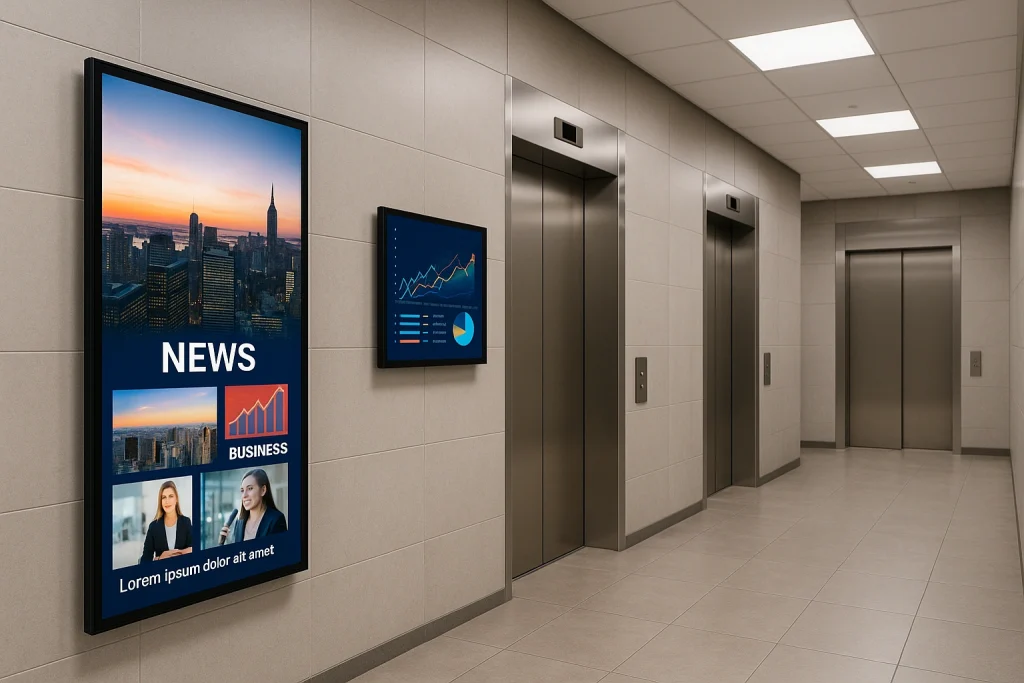
The “daily commute” of a resident is remarkably consistent. They pass the main gate, the lift lobby, and the parking lot every single day.
By placing branding at these key touchpoints, a brand achieves massive recall. It’s not like a TV ad that you can mute or a YouTube ad you can skip. It’s a physical presence that becomes part of the resident’s daily environment. By the end of the week, the brand isn’t a stranger it’s a familiar name in their own backyard.

4. The “Touch and Feel” Experience
We’re all a bit tired of looking at screens. For a premium family, the luxury of actually seeing, touching, or tasting a product before buying is a huge draw.
“Society Activations” like a weekend pop-up for a new electric vehicle test drive or a sampling stall for a gourmet coffee brand turn a standard marketing exercise into a community event. It gives residents something interesting to do on a Saturday, and it gives brands high-quality leads from people who actually have the intent to buy.
5. Laser-Focused Targeting
The biggest waste in advertising is “spillage” paying to show your ad to people who can’t afford or don’t need your product. RWA advertising solves this perfectly.
If you’re selling a luxury product, you can choose specific gated communities known for high-income residents. You aren’t casting a wide net and hoping for the best; you are fishing in a pond where you know every single “fish” is your target audience.
Conclusion
RWA advertising works because it respects the consumer. It doesn’t interrupt a video or pop up on a screen; it meets people where they live, relax, and socialize. In a world where we are constantly being shouted at by brands, the ones that show up in our own neighborhoods thoughtfully and strategically are the ones we actually remember.