How Society Advertising Drives Hyperlocal Sales for Brands
In the current marketing landscape, “global” is a buzzword, but “local” is where the actual revenue lives. For years, brands have chased the massive reach of television and the endless scroll of social media, often overlooking the most potent commercial hub of all: the gated community.
As urban dwellers increasingly retreat into self-sustained residential townships, the most successful brands are realizing that the path to a high-value customer isn’t through a screen, but through the society gate. By moving into the neighborhood, brands are unlocking the true potential of hyperlocal sales.
The Death of Friction and the Rise of Convenience
The biggest barrier to any sale is the physical or psychological distance between the consumer and the product. A digital ad for a premium home appliance might be seen by a thousand people, but the “friction” of having to visit a store or research online often kills the momentum.
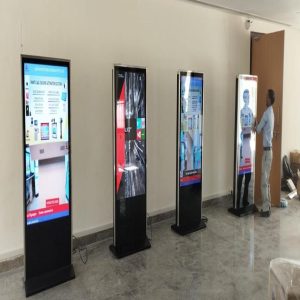
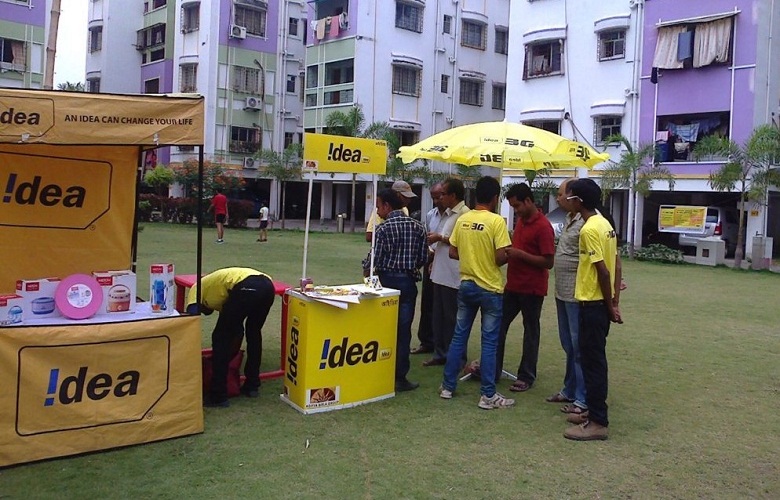
Society advertising eliminates this gap. When a brand sets up an experience zone or a sleek display right next to the clubhouse, it meets the consumer at their point of maximum comfort. By being physically present where people live, a brand turns a fleeting interest into an immediate conversation. For the modern, time-poor urban family, the convenience of discovering a product in their own backyard is often the final nudge needed to move from “considering” to “buying.”

Leveraging the Power of Social Proof
Humans are inherently social, and nowhere is this more evident than in a residential society. Unlike a billboard on a highway, which is a lonely experience, an advertisement in a housing complex exists within a social network.
When a brand hosts a weekend activation or a product sampling event, it triggers the “Neighbor Effect.” If a resident sees their peers testing a new electric vehicle or tasting an artisanal coffee blend, the brand gains an instant, unspoken endorsement. In these close-knit environments, trust travels much faster through word-of-mouth and society WhatsApp groups than it ever could through a paid digital algorithm.
Precision Targeting Without the Waste
The traditional “spray and pray” method of advertising where you pay to show your ad to everyone in the hopes of reaching a few is becoming a relic of the past. Hyperlocal advertising offers a level of surgical precision that mass media simply cannot match.
Brands can now curate their presence based on the specific DNA of a society. A luxury real estate developer can target complexes with high rental yields, while a premium organic grocery brand can focus on societies with large populations of young families. This ensures that every marketing rupee is spent on an audience that is statistically proven to have both the need and the purchasing power. It isn’t just about reaching more people; it’s about reaching the right people.
Capturing High-Value Dwell Time
In the outside world, attention is fragmented. We ignore posters as we drive and skip ads as we browse. But the environment within a gated society is different. and gated branding it is quieter, slower, and more familiar.
Whether it’s the thirty seconds spent in an elevator or the few minutes spent walking from the parking lot to the lobby, residents have “dwell time.” Branding placed in these high-traffic but low-stress areas has a much higher chance of being absorbed and remembered. Because the brand becomes a consistent part of the resident’s daily routine, it builds a level of top-of-mind recall that feels natural rather than intrusive.
The Final Word
Hyperlocal sales are built on the foundation of relevance and trust. Society advertising works because it respects the consumer’s space while offering genuine value to their lifestyle. By shifting the focus from the “loudest voice” to the “nearest voice,” brands are finding that the most direct route to a customer’s heart and wallet is just a few steps from their front door.