Why Healthcare Brands Are Investing Heavily in RWA Advertising in India
In the rapidly evolving Indian marketing landscape of 2026, the battle for a patient’s attention has moved from the smartphone screen to the society gates. While digital health apps and telemedicine grew exponentially over the last few years, a “digital fatigue” has set in among urban consumers. In response, healthcare giants ranging from multi-specialty hospital chains to diagnostic disruptors are pivoting their budgets toward RWA advertising.
This strategic shift isn’t just about placing banners; it is about reclaiming the “Last Mile” of trust in an industry where credibility is the only currency that matters.
1. Bridging the Credibility Gap
Healthcare is perhaps the most personal service a consumer will ever purchase. Unlike buying a gadget or ordering clothes, choosing a hospital or a diagnostic lab involves a high degree of anxiety and risk. Digital ads often feel cold and transactional, whereas a physical presence within one’s own residential complex feels like a community endorsement.
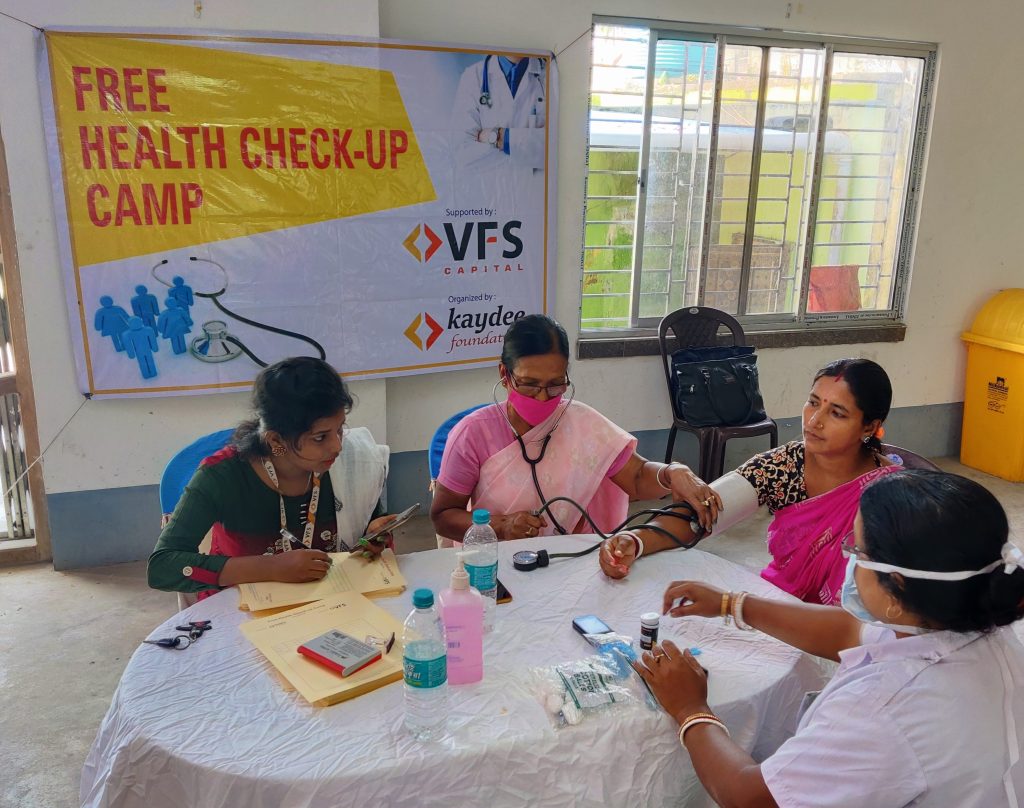
When a hospital sponsors a health checkup camp in a society clubhouse, they are no longer just a corporate entity. They become a “neighborhood partner.” The implicit approval of the RWA committee acts as a powerful social proof that bypasses the skepticism consumers usually have toward sponsored internet content.
2. Targeting the “Preventative Wellness” Mindset
The modern Indian consumer is no longer waiting to fall ill before engaging with a healthcare brand. There is a massive surge in preventative health awareness. RWAs provide the perfect environment to capture this “proactive” audience.
By setting up basic screening kiosks offering quick vitals checks, BMI calculations, or sugar testing healthcare brands engage with healthy individuals during their morning walks or weekend leisure time. This early-stage interaction ensures that when a medical emergency or a planned surgery eventually arises, that specific brand is already “top-of-mind.” It transforms the brand from a crisis-only service into a lifelong wellness companion.
3. Precision Demographic Filtering
One of the primary reasons for heavy investment in RWAs is the ability to eliminate “ad waste.” Traditional media like billboards or radio reach everyone, but only a fraction are the intended target.
Residential societies allow healthcare brands to filter their audience by economic standing and lifecycle stage. A premium IVF clinic can specifically target high-end gated communities with a high density of young couples. Similarly, a geriatric care service or a cardiac specialty hospital can focus on older, established societies with a significant senior citizen population. This hyper-local targeting ensures that every rupee spent is reaching a household that can actually afford and requires the specific medical service being offered.
4. Capturing the Family Decision-Makers
Healthcare decisions in India are rarely individual; they are collective family discussions often happening over dinner. A digital ad on a mobile phone is seen by one person and often forgotten. However, a well-placed advertisement in a society elevator, a branded bench in the park, or a health leaflet delivered to the doorstep is seen by the entire family unit.
By maintaining a physical presence where the family lives, healthcare brands stay visible to the spouse, the children, and the elderly parents simultaneously. This multi-generational exposure is vital because the person who sees the ad (the adult child) is often the one who pays for the service for their parents or children.

5. The Rise of Home-Based Healthcare
The healthcare model in 2026 is shifting toward the home. From post-operative care and physiotherapy to regular lab tests, patients now prefer services that come to them.
For a brand to succeed in home healthcare, they need logistical ease. Advertising with in an RWA helps a brand “own” that territory. If a diagnostic lab has a daily presence in a specific society for sample collection, the residents are far more likely to book with them due to the sheer convenience and familiarity of the staff. It lowers the barrier to entry and makes the service feel like a seamless part of the resident’s daily routine.
6. Combatting Digital Noise with Tangible Value
The cost of acquiring a customer (CAC) on digital platforms has skyrocketed. Furthermore, ad-blockers and “banner blindness” mean that most healthcare ads are ignored.
RWAs offer a “clutter-free” environment. When a resident walks through their society, they are in a relaxed state of mind, away from the chaos of the internet. A healthcare brand that provides actual value such as installing an Automated External Defibrillator (AED) in the clubhouse or conducting a first-aid workshop for the society’s security staff creates a lasting positive impression that no 15-second YouTube ad can match. This “Value-Led Marketing” builds deep-rooted brand loyalty.
7. Data Collection and Community Profiling
Beyond immediate sales, RWA activations are goldmines for data. When residents participate in a society health camp, the brand gains insights into the “health profile” of that community.
For instance, if a screening camp in a specific tech-park-adjacent society adverising reveals a high percentage of residents with vitamin deficiencies or high stress levels, the brand can tailor its follow-up marketing specifically to those concerns. This allows for personalized healthcare marketing at a community level, making the communication feel human and relevant rather than generic and robotic.
Conclusion
The heavy investment in RWA advertising signals a return to “relationship-based” healthcare. As the Indian urban landscape becomes more fragmented into self-contained gated communities, brands that fail to penetrate these walls will find themselves disconnected from their core audience.
The brands that will dominate the healthcare sector in the coming years are those that realize they aren’t just selling treatments they are selling peace of mind. By becoming a visible, helpful, and trusted presence within the residential ecosystem, healthcare providers can secure a place in the hearts (and homes) of Indian families.