How RWA Advertising Builds Daily Brand Trust Among Urban Families
Building trust with urban families isn’t about shouting the loudest; it’s about showing up in the right places at the right time. In the chaos of city life, the home is the only place where guards are down. This is why RWA (Resident Welfare Association) advertising has become the secret weapon for brands that want to move beyond being a “logo on a screen” to becoming a household name.
Here is an exploration of how localized, community-based advertising is reshaping brand loyalty in modern apartment complexes.
The “Gated Community” Psychology: Why Proximity Equals Trust
If you see an ad for a new organic milk brand on a highway billboard, you might forget it in seconds. If you see that same brand set up a small, clean sampling kiosk right next to the park where you walk your dog every evening, it feels different.
In a gated society, there is an implicit vetting process. Residents know that their RWA committee doesn’t let just anyone set up shop inside the premises. When a brand is physically present inside the gates, it inherits the “Safety Shield” of the community. It isn’t an intruder; it’s an invited guest. For a parent deciding what to feed their child or which car to buy, that proximity bridges the gap between curiosity and a purchase.

Moving Beyond “Skippable” Content
We are living in an era of “ad-blindness.” We skip YouTube ads, we scroll past Instagram sponsored posts, and we ignore flyers tucked into our newspapers. But you cannot “skip” the digital screen in the elevator while you’re waiting to reach the 14th floor.
RWA advertising captures dead time. Whether it’s the society entrance, the lobby, or the elevator, these are transition points where families are actually looking for a distraction. By placing a brand in these high-dwell areas, businesses achieve something digital marketing struggles with: sustained, calm attention.
The Power of the “Neighbor Effect”
Urban families are often influenced by the “social proof” of their peers. In a 500-unit apartment complex, news travels fast. If a car brand organizes a test-drive event within the society and three neighbors are seen checking out the trunk space, it creates a ripple effect.
This is the “Neighbor Effect.” RWA advertising facilitates word-of-mouth marketing in real-time. When a brand becomes a topic of conversation at the society clubhouse or the Friday night gathering, the trust is already built. The brand is no longer a corporate entity from a different city; it’s the brand that “the family in C-Block” just bought.

3 Pillars of Building Daily Trust via RWAs
1. Consistent Visibility (The Familiarity Principle)
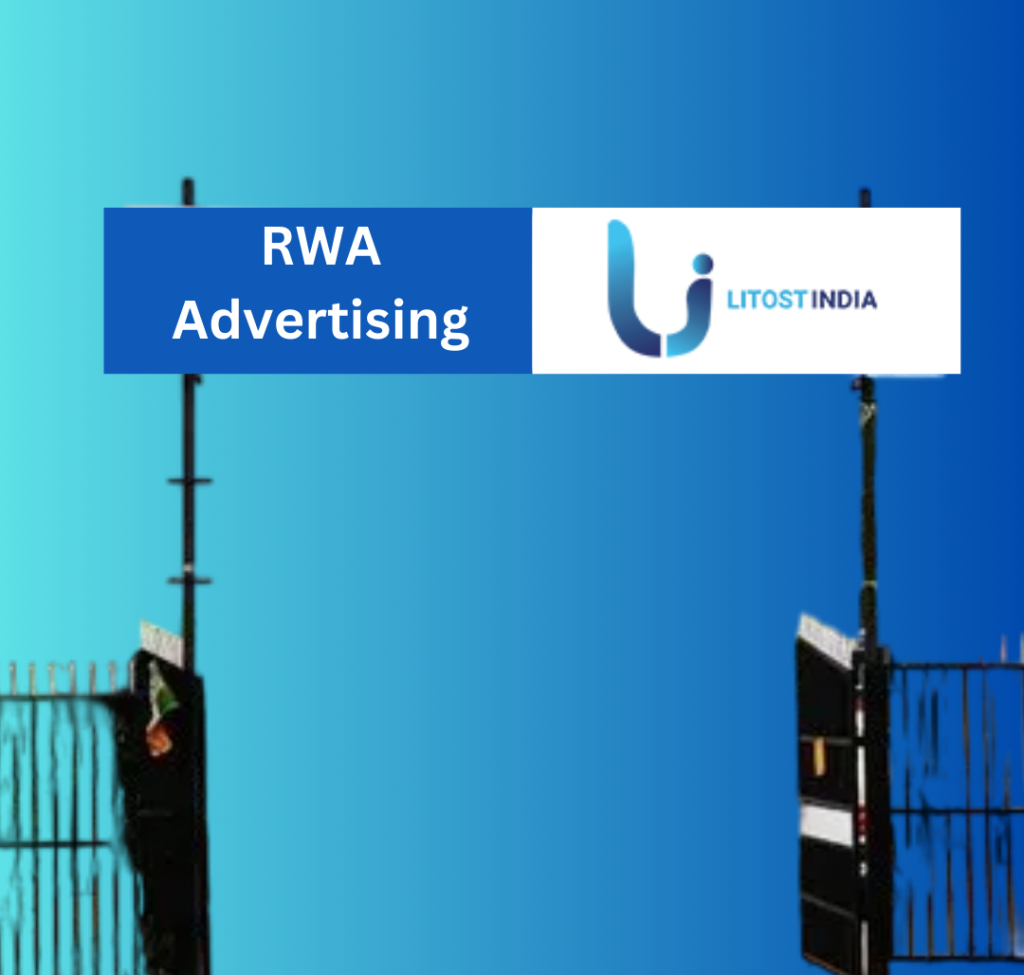
Psychology tells us that the more we see something, the more we tend to like and trust it. By appearing on the society’s digital notice boards or entry gates daily, a brand becomes a part of the resident’s “visual furniture.” It feels familiar, and familiarity is the first step toward a transaction.
2. High-Value Engagement
The best RWA campaigns don’t just sell; they provide value. Think of a health insurance brand offering a free vitals check-up in the community hall, or a home-cleaning service offering a free demo of their deep-clean technology. When a brand solves a problem for a busy urban family right at their doorstep, the gratitude translates into long-term loyalty.
3. Hyper-Local Relevance
RWA advertising allows brands to talk to people based on their specific lifestyle. A premium toy brand knows that a society with a large play area and 3-BHK flats is their goldmine. By tailoring the message to the specific needs of that micro-community, the brand feels like it “gets” them.
The Future of Family Branding
As our lives become more digital, we crave physical touchpoints. Brands that realize the “last mile” isn’t just about delivery, but about presence, will win. RWA advertising isn’t just a marketing tactic; it’s a way to weave a brand into the fabric of a family’s daily routine.
In the end, urban families don’t trust brands because of a flashy celebrity endorsement. They trust them because they’ve seen them every day at the gate, they’ve tried their samples at the Sunday market, and they’ve seen their neighbors use them. That is how real, unbreakable trust is built.