How RWA Advertising Influences Family Purchase Decisions in Urban India
The modern urban Indian family is no longer just a group of individuals living under one roof; they are a collective decision-making unit. Whether it is choosing a new electric vehicle (EV), a health insurance plan, or even a brand of organic pulses, the decision-making process is collaborative. RWA advertising taps into this collective psyche by placing brands directly into the family’s most trusted environment: their home.
1. The “Circle of Trust” Advantage
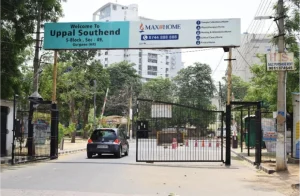
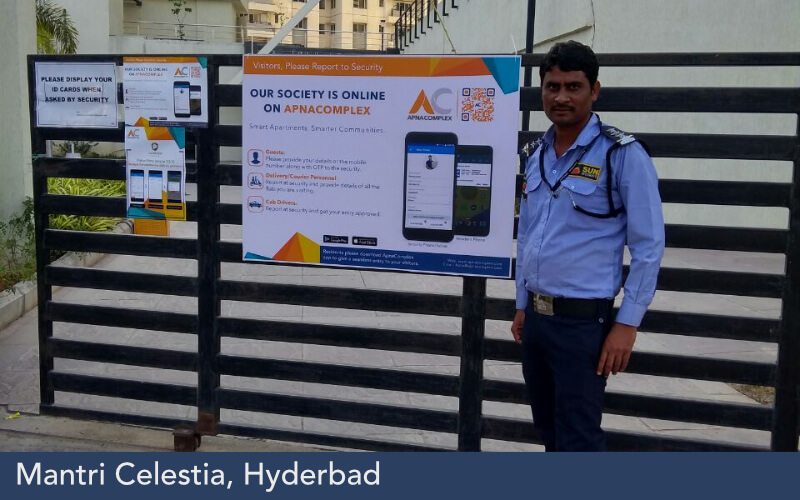
The biggest hurdle for any brand in a cluttered market is skepticism. When a consumer sees a billboard on a highway, it is viewed as “just another ad.” However, when a brand is present inside a gated society be it through a standee at the gate, a kiosk in the clubhouse, or a poster in the lift it carries an implicit endorsement from the RWA.
In the Indian context, the RWA acts as a gatekeeper. Families feel a sense of security knowing that the “management” has vetted the brand before allowing them entry. This “Seal of Trust” significantly lowers the barrier to entry for premium and new-age brands, making families more open to trying something new.
2. Capturing the “Joint Decision-Making” Moment
Major household purchases in India like home appliances, automobiles, and vacation packages are rarely solo decisions. They happen during evening walks, Sunday morning brunches, or while parents wait at the society gate for the school bus.
RWA activations, such as weekend carnivals or product displays in common areas, catch families when they are relaxed and together. Unlike digital ads that pop up when a user is busy scrolling, RWA ads invite a conversation. A couple spotting a new SUV on display in their society parking lot is likely to discuss it immediately, turning a passive impression into an active family debate.

3. Hyper-Local Targeting and Relevancy
Urban India is diverse; a society in Gurugram’s Sector 54 has vastly different consumption patterns than one in Bengaluru’s HSR Layout. RWA advertising allows brands to practice “surgical marketing.”
For instance, a premium water purifier brand can target societies known to have older plumbing infrastructure, or an ed-tech company can focus on “A-grade” complexes with a high density of school-going children. By being hyper-relevant to the specific needs of a neighborhood, brands see much higher conversion rates compared to broad city-wide campaigns.
4. The Power of High-Frequency Recall
Psychologically, the “Mere Exposure Effect” states that people tend to develop a preference for things merely because they are familiar with them. In a residential society, the daily routine is consistent. A resident sees the same lift branding every morning on the way to the office and every evening on the way back.
This high-frequency, low-clutter environment ensures that the brand becomes a part of the resident’s daily visual landscape. When that family eventually stands in a grocery store or browses an e-commerce app, the brand they saw in their “safe space” is the one that gets added to the cart.
5. Transitioning from Digital Fatigue to Physical Experience
With the explosion of 6G and digital penetration in 2026, Indian consumers are facing “screen fatigue.” RWA advertising offers a refreshing physical touchpoint. “Society Activations” such as free health check-up camps by hospitals, test-drive zones for EVs, or sampling stalls for gourmet coffee allow for a “touch and feel” experience.
For a family, being able to interact with a product without the pressure of a high-decibel mall environment is a luxury. These experiential moments create lasting memories, which are far more influential than a 15-second skippable video ad.

6. The Role of Community Groups (WhatsApp and Apps)
RWA advertising is no longer limited to physical banners. Most urban societies now use dedicated apps (like MyGate or NoBrokerHood) and internal WhatsApp groups. When a brand partners with an RWA, they often gain access to these digital channels.
A recommendation or a “society-only” discount code shared on an official RWA group carries massive social proof. In Indian culture, “Log kya kahenge” (What will people say) has evolved into “Padosi ne kya liya” (What did the neighbor buy). If a few families in a society adopt a brand, the “Neighbor Effect” often triggers a ripple of purchases across the entire complex.
Conclusion
As urban India becomes more siloed into gated communities, the influence of the neighborhood on the individual family has never been stronger. RWA advertising is successful because it respects the consumer’s space while providing value, trust, and convenience. For brands looking to win the hearts and wallets of India’s affluent middle class, the road to success starts right at the society gate.