The Future of Residential Community Advertising in India: Why Brands Are Investing in RWAs??
The advertising landscape in India is evolving rapidly. While digital platforms and traditional outdoor media continue to play an important role, brands are increasingly looking for channels that provide deeper engagement and stronger consumer trust. This shift has brought Residential Community Advertising into the spotlight.
Resident Welfare Associations (RWAs) have become valuable touchpoints for businesses seeking direct access to premium households. With thousands of gated communities across major cities, advertisers now have the opportunity to communicate with highly targeted audiences in environments where consumers spend a significant portion of their daily lives.
As consumer behavior becomes more localized and trust-driven, RWA advertising is shaping the future of hyperlocal marketing in India.

Understanding Residential Community Advertising
Residential Community Advertising refers to brand promotions placed within housing societies, gated communities, and apartment complexes.
Popular advertising formats include:
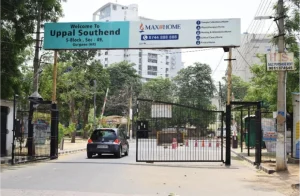
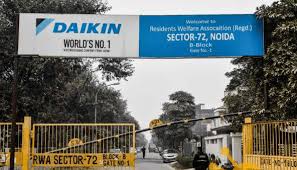
- Society gate branding
- Lift advertising
- Notice board displays
- Digital screens
- Community event sponsorships
- Standee branding
- Clubhouse advertising
- Parking area branding
These touchpoints ensure continuous visibility among residents and visitors.
Why Brands Are Investing in RWAs
Access to Premium Audiences
Modern residential communities often house affluent families, working professionals, entrepreneurs, and homeowners with significant purchasing power.
These residents are key decision-makers for:
- Real estate purchases
- Financial products
- Healthcare services
- Education solutions
- Home improvement products
- Consumer electronics
- Lifestyle brands
Advertising within residential communities allows businesses to reach these valuable consumers directly.
Increased Consumer Trust
Unlike online advertisements that can be ignored or blocked, residential advertising exists within a familiar and trusted environment.
Consumers tend to respond more positively to messages encountered in spaces they interact with daily.
The Power of Repeated Visibility
One of the greatest strengths of RWA advertising is frequency.
Residents encounter advertisements repeatedly while:
- Entering and exiting the community
- Using lifts
- Visiting clubhouses
- Walking through common areas
- Attending community events
This repeated exposure significantly improves brand recall and recognition.
Hyperlocal Marketing at Its Best
Businesses today seek precise targeting rather than mass exposure.
Residential community advertising enables brands to focus on:
Specific Locations
Campaigns can be executed in selected neighborhoods and residential clusters.
Targeted Demographics
Advertisers can choose communities based on income levels, family profiles, lifestyle preferences, and purchasing behavior.
Local Business Promotion
Hyperlocal businesses can generate awareness within communities located near their service areas.
Technology Is Transforming RWA Advertising
The future of residential advertising is becoming increasingly digital.
Emerging innovations include:
Smart Digital Screens
Modern housing societies are installing digital displays that allow dynamic advertising content.
QR Code Integration
Residents can instantly connect with brands through QR-enabled campaigns.
Data-Driven Campaign Planning
Brands can optimize placements based on audience behavior and community demographics.
Interactive Community Platforms
Mobile applications and resident communication systems are creating new advertising opportunities.
These advancements are making RWA campaigns more measurable and effective.
Industries Benefiting from Residential Community Advertising
Many industries are increasing their investments in RWA branding.
Real Estate
Developers use community advertising to reach potential buyers and investors.
Healthcare
Hospitals and wellness brands promote services directly to families.
Banking and Finance
Financial institutions engage affluent homeowners with investment and insurance solutions.
Education
Schools, colleges, and coaching institutes connect with parents and students.
Consumer Goods
FMCG and lifestyle brands gain valuable exposure among household purchasers.