The gated attention advantage: why society entrance branding reaches households before every daily decision??
Most advertising competes for attention after consumers have already entered a crowded media environment. Society entrance branding works differently. It reaches households at the beginning of their daily journey, before commuting, shopping, dining, or making local purchase decisions. This early visibility creates a unique advantage that many digital campaigns cannot replicate.
The first attention point of the day
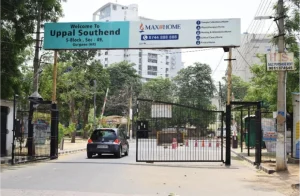
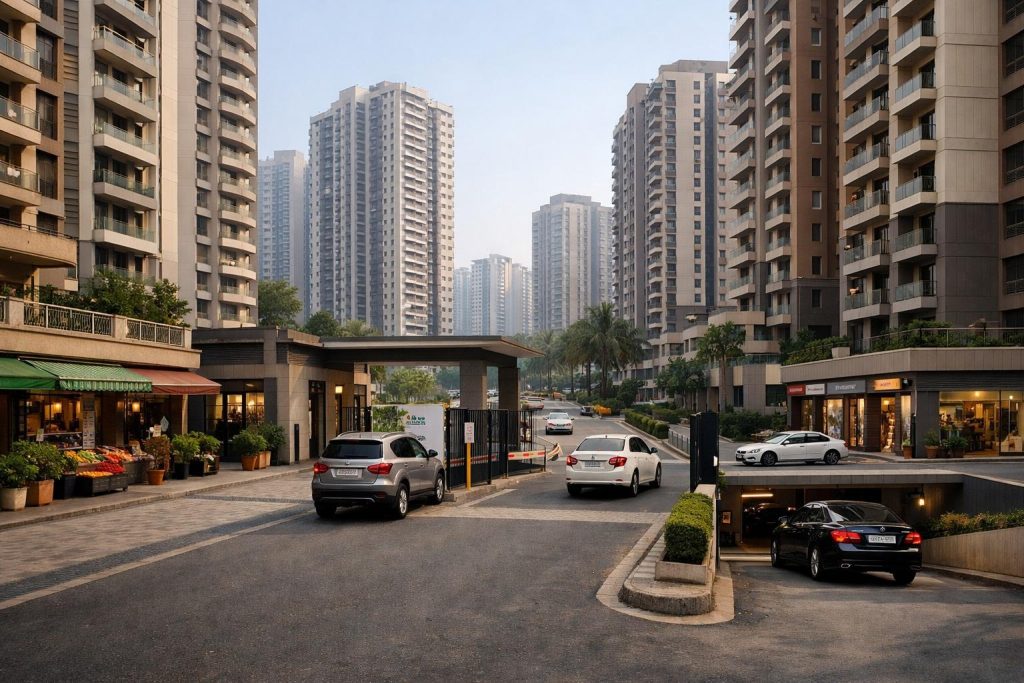
Residents pass through society gates multiple times every day. Morning walks, office commutes, school runs, grocery trips, and evening returns all begin and end at the entrance. This makes the society gate one of the most consistent physical touchpoints in a consumer’s routine.
Unlike roadside advertising that may be seen only occasionally, society gate branding benefits from predictable daily exposure.
Why repetition creates trust
Consumers tend to trust brands they encounter repeatedly in familiar environments. Society entrances are closely associated with safety, routine, and community. When a brand is consistently visible at this location, it becomes part of the resident’s everyday environment rather than a temporary advertisement.
This repeated exposure strengthens familiarity, and familiarity often leads to higher trust and consideration.

Hyperlocal influence on daily decisions
Society gate advertising is particularly effective for businesses that depend on neighborhood demand. Real estate, healthcare, education, supermarkets, food delivery, home services, financial services, fitness brands, and retail businesses can influence consumers close to the point where daily decisions are made.
The message reaches residents before they choose a store, order a service, visit a clinic, or plan a purchase.
A premium residential media environment
RWA and society gate branding also benefits from audience quality. Residential communities often provide concentrated access to families, professionals, homeowners, and high-frequency local consumers. This makes society advertising highly efficient for brands seeking targeted neighborhood visibility rather than broad citywide awareness.