How Hyperlocal Society Advertising Influences Buying Decisions
3 min read
When we talk about “location-based marketing,” we usually think of a city or a zip code. But for the modern urban family, “location” has shrunk. The only location that truly matters is the square footage behind the society gates.
This is the world of society branding. It’s not just about being “nearby” it’s about being “next door.” Here is how moving the marketing needle from the city level to the doorstep level fundamentally changes how families spend their money.
1. The Death of “Search” and the Rise of “Presence”
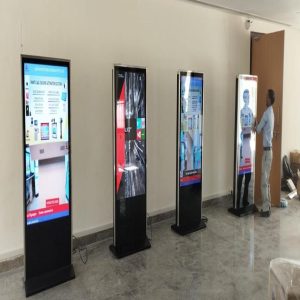
Usually, the buying journey starts with a Google search. But hyperlocal advertising flips the script. When a brand is consistently visible inside a residential complex on the elevator screens, at the gym, or through a weekend lobby pop-up it bypasses the search phase entirely.
Residents don’t need to search for “best preschool near me” or “organic vegetable delivery” because the answer is already staring at them while they wait for the lift. By being physically present, a brand moves from being an option to being the default choice.

2. Reducing “Cognitive Friction”
The biggest enemy of a sale is effort. The more steps a consumer has to take to buy something, the less likely they are to do it. Hyperlocal advertising removes this friction.
Imagine a premium mattress brand. Normally, buying a mattress involves a trip to a mall, dealing with sales reps, and figuring out delivery. But if that brand hosts a “Sleep Experience” weekend in the society clubhouse, the friction disappears.
-
The barrier is gone: The product is 200 meters from their bed.
-
The trust is high: The neighbors are trying it out too.
-
The decision is easy: “If it’s good enough to be here, it’s good enough for us.”
3. The “Social Proof” Multiplier
In a gated community, buying decisions are contagious. This is a phenomenon unique to hyperlocal marketing. In a digital ad, you see a stranger’s testimonial. In a society activation, you see Mr. Khanna from Flat 402 actually buying the product.
When families see their peers engaging with a brand in a shared space, the “risk” of the purchase evaporates. We are social creatures; we find safety in numbers. Hyperlocal advertising triggers this herd instinct, turning one sale into ten through simple visibility in communal areas.

4. Reaching the “Silent” Decision-Makers
Traditional ads often target the person holding the smartphone. But in urban households, big decisions are collaborative.
Hyperlocal touchpoints like branding on the society’s digital notice board or the main entrance reach everyone simultaneously: the parents, the kids, and even the grandparents. When a brand becomes a shared visual experience for the whole family, it sparks a conversation at the dinner table. You’re not just convincing a “user”; you’re convincing a household.
5. The “Reciprocity” Trigger
There is a subtle psychological trick at play in society advertising. When a brand sponsors a society event, upgrades the park benches, or provides a useful service (like a free car-sanitization drive at the gate), residents feel a sense of gratitude.
This is the Law of Reciprocity. When a brand contributes to the community’s infrastructure or lifestyle, residents are more likely to choose that brand over a competitor as a way of “returning the favor.” It shifts the relationship from transactional to communal.
Summary
Hyperlocal society advertising works because it respects the “last mile” of the consumer’s brain. It’s not about catching someone when they are busy commuting; it’s about reaching them when they are in “home mode” relaxed, observant, and surrounded by the people they trust most.