Step-by-Step Guide to Planning a Successful RWA Advertising Campaign in India
4 min read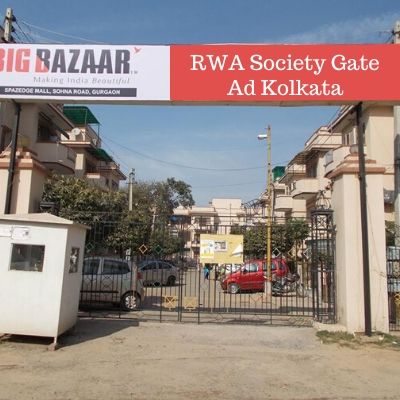
Executing a marketing campaign within a premier Indian residential society is vastly different from buying a billboard or a digital slot. You are not just buying space; you are entering a private community. A successful Resident Welfare Association (RWA) campaign in 2026 requires a delicate balance of data-driven precision, logistical diplomacy, and high-value engagement. RWA Branding to move from a mere concept to a dominant neighborhood presence, brands must navigate a specialized path.
Phase 1: The Blueprint of Micro-Targeting
The first step is moving beyond broad city-level demographics. In India’s major metros, two societies located just five hundred meters apart can have entirely different consumer profiles. Planning begins with Society Profiling. A luxury kitchenware brand, for instance, should not target every high-rise; it should specifically identify “A-Grade” societies with a high density of three-and-four-BHK apartments and high average rental yields.
This phase involves analyzing “The Parking Lot Indicator” a classic but effective metric where brands assess the volume of premium SUVs and EVs in a complex to gauge disposable income. By the end of this phase, the brand should have a “Heat Map” of specific clusters like the IT belts of Bangalore or the luxury pockets of South Delhi where their target audience is most concentrated.
Phase 2: The Art of RWA Diplomacy
Unlike a mall manager, an RWA committee is composed of residents who are protective of their environment. The second phase is Engagement and Permissions. Brands often fail here by treating the RWA as a vendor rather than a partner. A successful campaign requires a “Value-Exchange” proposal. Instead of just asking to put up a stall, savvy brands offer the society something in return perhaps sponsoring the society’s digital notice board, providing branded umbrellas for the security staff, or organizing a free health-awareness talk by a specialist.
This phase is about securing the “Seal of Trust.” Once the committee sees the brand as a contributor to the society’s well-being, the barriers drop. This diplomatic approach ensures that the brand isn’t viewed as a noisy intruder but as a premium guest invited into the inner circle.
Phase 3: Designing the “Phygital” Touchpoints
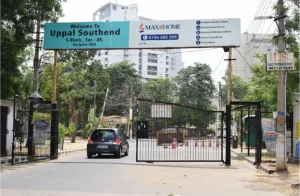
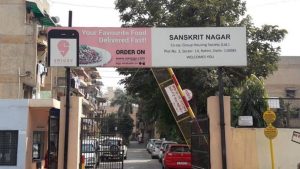
In 2026, a physical presence alone is insufficient. The third phase is the Omnichannel Integration. A successful campaign uses a mix of static and interactive media. This starts at the gate with a high-impact digital pylon and continues into the elevator with sleek, non-intrusive frames.
However, the “Masterstroke” lies in the “Phygital” (Physical + Digital) bridge. Every physical touchpoint whether it’s a branded bench in the park or a kiosk in the lobby must have a clear, society-specific digital trigger. Using unique QR codes for each society allows the brand to track exactly which tower is generating the most interest. This data is gold; it allows the marketing team to tweak their messaging in real-time, perhaps offering a “Sunday Morning Special” discount to a society that showed high engagement on a Saturday evening.
Phase 4: The Weekend Activation – The “Grand Entry”
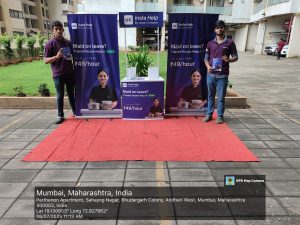
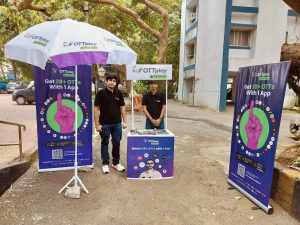
The heart of any RWA campaign is the Experiential Weekend. This is when the brand moves from a screen to a face-to-face interaction. The key here is “Low Pressure, High Value.” A premium skincare brand shouldn’t just hand out samples; they should set up a “Skin Analysis Zone” with professional consultants.
The goal of this phase is Lead Capture with Consent. By providing a useful service or an engaging experience, the brand earns the right to ask for a phone number or an app download. In the relaxed environment of a Sunday morning, residents are much more likely to engage in a five-minute conversation than they ever would be in a crowded shopping mall or on a busy street.
Phase 5: The Post-Campaign “After-Glow”
The most common mistake brands make is disappearing the moment the weekend ends. The final phase of a successful campaign is Sustained Recall. Dominance is achieved through the “After-Glow” effect continuing the conversation through the society’s internal communication channels, such as the resident app or the WhatsApp group, for a week after the physical activation.
This involves sharing a “Thank You” note with the residents, perhaps offering a limited-time extension on a “Society-Only” discount code. By maintaining this presence, the brand ensures that the initial spark of interest turns into a long-term household habit. The campaign isn’t over when the stall is packed; it’s over when the brand has become the default choice for that specific community.
Conclusion
Planning an RWA campaign is an exercise in hyper-local excellence. It is about understanding that in the modern urban landscape, the “last mile” is actually the “last fifty meters” to the front door. By following this structured roadmap from surgical targeting and RWA Advertising diplomacy to integrated tech and high-value experiences brands can transform a residential complex into a loyal fortress of customers. In 2026, the brands that win are the ones that don’t jrust advertise to the neighborhood, but become a welcome part of its daily rhythm.