RWA Branding vs Billboard Advertising: Which Works Better
3 min read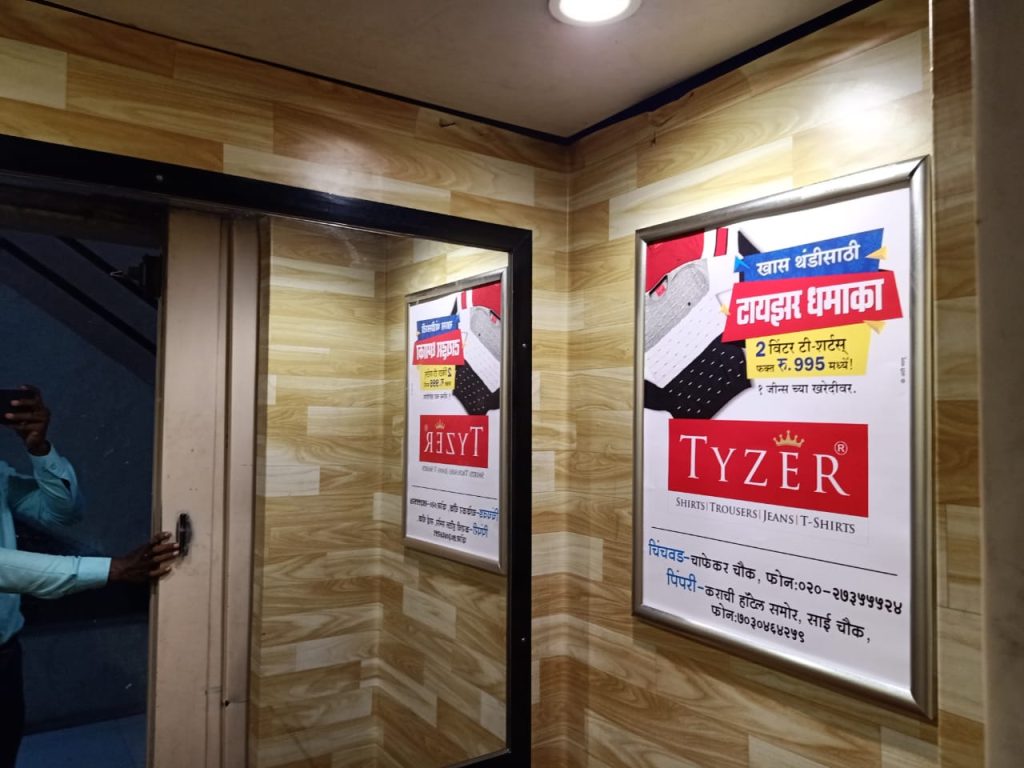
If you’re deciding where to put your marketing budget, you’ve likely faced the classic dilemma: go big with a highway billboard or go deep with RWA (Resident Welfare Association) branding.
While both fall under the “Out-of-Home” umbrella, they work in completely different ways. One is a megaphone, and the other is a handshake. Here is a breakdown of which one actually works better depending on your goals.
The Billboard: The “Megaphone” of Marketing
Billboards are built for scale. When you place a massive hoarding on a busy flyover or a main city junction, you are playing the Reach and Frequency game.
-
Best For: Massive brand launches, awareness, and “prestige” branding.
-
The Advantage: It’s unavoidable. Whether someone is a CEO or a college student, if they drive past that junction, they see your brand. It gives the impression that your brand is “big” and “established.”
-
The Downside: It’s fleeting. You have about 3 to 5 seconds to grab attention before the driver moves on. Plus, there is a lot of “spillage” you’re paying to show your luxury watch ad to thousands of people who might not be your target audience.
RWA Branding: The “Handshake” in the Neighborhood
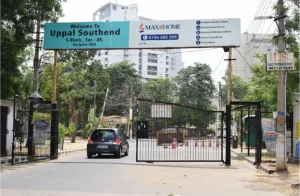
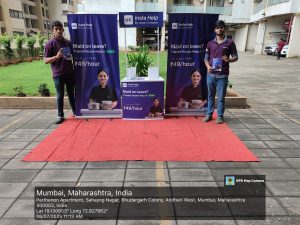
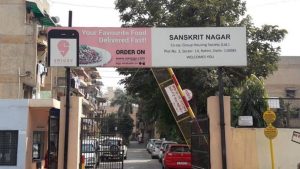
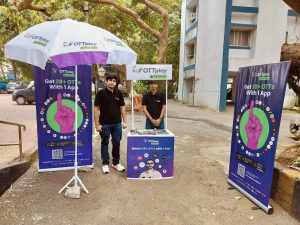
RWA Advertising (gate panels, lift branding, or society activations) happens where people live. It’s hyper-local and highly targeted.
-
Best For: High-intent targeting, lead generation, and building trust.
-
The Advantage: Trust by association. If a brand is allowed inside a premium gated community, residents subconsciously give it a “stamp of approval.” You aren’t just a random ad; you’re a “neighbor.”
-
The Frequency Factor: A resident passes their society gate at least twice a day. They stand in the elevator for 30 seconds with nothing to do but look at your ad. That “dwell time” is something a highway billboard can never match.
Head-to-Head: Which One Wins?
1. Targeting Precision
-
Billboard: Wide net. Good for mass-market products like soft drinks or telecom.
-
RWA: Laser-focused. If you’re selling premium organic groceries or luxury home interiors, you can pick the exact 10 societies in the city where your customers live. Winner: RWA.
2. Cost-Effectiveness (ROI)
-
Billboard: High upfront cost. A prime spot in a metro can cost lakhs per month.
-
RWA: Much more budget-friendly. You can cover multiple societies for the price of one major billboard. Winner: RWA.

3. Brand Authority & Scale
-
Billboard: Nothing says “we have arrived” like a 40-foot hoarding in the heart of the city. It builds a sense of national presence.
-
RWA: Feels more “boutique” and personal. It’s great for loyalty but lacks the “grandeur” of a massive outdoor display. Winner: Billboard.
4. Interaction & Leads
-
Billboard: Purely one-way communication. You can’t “talk” to a billboard.
-
RWA: You can set up a canopy, offer samples, and collect phone numbers. It’s a two-way street. Winner: RWA.
Conclusion
If you are a new brand looking to make a splash and show everyone you’re a big player, go for the Billboard. It buys you fame.
However, if you are a premium service or a D2C brand that needs to convert high-income families and build long-term trust, RWA Branding is the clear winner. It doesn’t just show your brand; it integrates it into the family’s daily life.
In a perfect world? The best campaigns use both: the billboard to create the “fame” and the RWA branding to close the sale.