


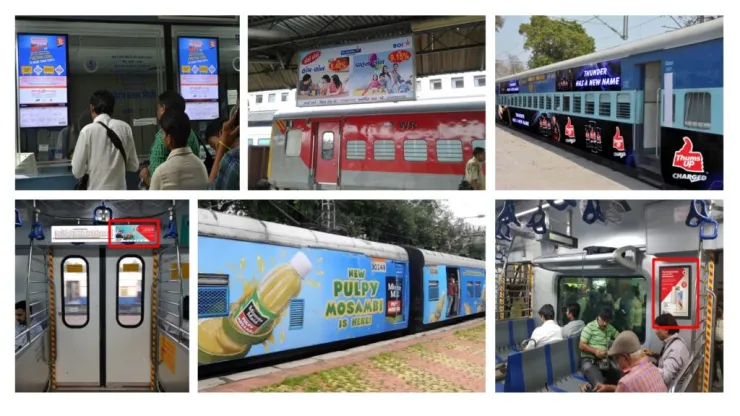
In India’s ever-evolving out-of-home (OOH) landscape, transit advertising has emerged as one of the most effective ways to reach urban, mobile, and high-frequency audiences. As millions of Indians commute daily across metros, buses, cabs, and autos, these moving media platforms turn travel time into powerful brand exposure.
Whether you’re a growing startup or an established brand, understanding the potential of transit advertising in India can help you build recall, boost reach, and create a lasting impact across cities and demographics.
What Is Transit Advertising?
Transit advertising refers to promotional displays placed on or inside vehicles that transport people — such as buses, metro trains, auto-rickshaws, cabs, and even trams. It also includes ad placements in and around transit hubs like bus stops, metro stations, and airports.
Unlike static hoardings, transit ads move with the audience, offering high-frequency visibility and wide geographic coverage. This makes them especially valuable in dense urban centers like Delhi NCR, Mumbai, Bengaluru, Chennai, and Hyderabad — where mobility defines consumer behavior.
Why Transit Advertising Works in India
The success of transit media lies in India’s dynamic travel patterns. According to a 2025 transport report, over 60% of urban Indians use public or shared transport daily. This creates an enormous captive audience for brands to tap into.
Here’s why it works so well:
-
Unmatched Reach: Transit media covers both city centers and suburban areas, giving brands visibility across multiple touchpoints.
-
Cost-Effective Frequency: Compared to traditional OOH, transit ads offer higher impressions at lower cost per view.
-
Localized Targeting: Brands can select specific routes or areas to reach their ideal audience.
-
High Recall Value: Repeated exposure to mobile audiences boosts brand retention.
-
24/7 Visibility: Buses, autos, and cabs operate throughout the day, ensuring constant exposure.
As cities expand and mobility networks improve, transit advertising is expected to grow 15–18% annually — outpacing many other OOH formats.


Types of Transit Advertising in India
Transit advertising is a diverse medium, offering multiple formats that suit different budgets and objectives. Let’s explore the most popular ones.
1. Bus Advertising
Bus branding is one of the oldest and most powerful transit formats in India. Major cities like Delhi (DTC, Cluster Buses), Mumbai (BEST), Bengaluru (BMTC), and Ahmedabad (BRTS) carry thousands of branded buses daily.
Popular formats include:
-
Full Bus Wraps: Complete branding coverage across both sides and rear.
-
Rear Panels: Eye-level visibility for commuters and drivers.
-
Bus Shelters: Stationary ad space near high-traffic bus stops.
Best For: FMCG, telecom, retail, and government campaigns that target mass audiences.
Example: A beverage brand promoting a summer drink can use colorful full-bus wraps to dominate busy routes during peak season.
2. Auto-Rickshaw Advertising
Auto-rickshaw advertising is one of the most cost-effective and hyperlocal OOH strategies in India. With over 10 million autos running across Indian cities, brands can achieve both scale and penetration.
Popular formats:
-
Back Panel Ads: Compact but impactful visibility for road users.
-
Full Body Wraps: 360° branding across the vehicle.
-
In-Auto Posters: Ads placed near passenger eye level.
Best For: Local businesses, fintech startups, mobile apps, and regional brands targeting specific neighborhoods.
Why it works: Autos operate in both main roads and narrow lanes — reaching audiences that hoardings cannot.
3. Cab Branding
With the rise of ride-hailing platforms like Ola, Uber, BluSmart, and Rapido, cab branding has become a premium and tech-enabled advertising medium.
Formats include:
-
Car Wraps: Partial or full branding on cabs for long-term visibility.
-
Headrest Ads: Ads placed inside the vehicle near passenger seats.
-
Digital Screens/Tablets: In-cab content and offers displayed during rides.


Best For: Tech companies, travel brands, finance, insurance, and e-commerce platforms looking for urban working professionals.
Advantages:
-
High exposure in premium city areas.
-
Captive audience for 20–40 minutes per ride.
-
Integration with digital campaigns via QR codes or app links.
4. Metro Advertising
Metro networks are among the most organized and high-footfall advertising environments in India. Cities like Delhi, Mumbai, Bengaluru, Chennai, Hyderabad, and Kolkata offer extensive metro ad inventory.
Metro advertising options include:
-
Inside Train Wraps: Full or partial branding on metro interiors.
-
Station Branding: Wall panels, pillars, escalator branding, and digital screens.
-
Entry/Exit Gates and Ticket Counters: Perfect for maximum commuter exposure.
Best For: FMCG, real estate, education, and lifestyle brands aiming for urban professionals and students.
Why it works: Metro passengers are educated, tech-savvy, and high-frequency commuters, leading to stronger recall and conversion rates.
Benefits of Transit Advertising for Brands
-
Continuous Movement = Continuous Reach: Ads move with the traffic, reaching new audiences every hour.
-
High Visual Impact: Creative designs and motion-based recall boost memorability.
-
Low Wastage: Brands can target specific localities or commuter groups.
-
Budget Flexibility: Works for both large-scale and small, regional campaigns.
-
Offline-Online Integration: Adding QR codes or app links turns static exposure into measurable action.
Transit media’s mix of mobility, repetition, and affordability makes it a must-have channel in modern OOH strategies.
Transit Advertising vs. Static Outdoor Media
| Factor | Transit Advertising | Static Hoardings |
|---|---|---|
| Mobility | Moves across routes | Fixed in one location |
| Reach | Covers entire city | Limited to one zone |
| Cost Efficiency | Higher impressions per rupee | Higher site rental |
| Engagement | Frequent visibility | One-time exposure |
| Best For | Awareness + recall | Brand prestige |
For most brands, a mix of both — transit + hoardings — ensures the best citywide impact.
Transit Advertising ROI and Effectiveness
Transit ads deliver ROI through repeated impressions rather than one-time views. Studies suggest that mobile audiences recall moving ads 22% better than static ones.
Average campaign metrics:
-
Bus Branding ROI: 1.5x–3x visibility impact per rupee.
-
Auto Branding ROI: High local conversion (especially for mobile apps).
-
Cab Branding ROI: Up to 4x engagement due to captive audience time.
-
Metro Branding ROI: Strong brand recall and digital synergy.
Campaigns that combine transit + digital call-to-action (CTA) achieve even better results — converting awareness into measurable leads.
Tips for Effective Transit Advertising Campaigns
-
Choose the Right Routes: Target areas where your audience travels daily.
-
Keep Messaging Simple: Use short, clear copy and bold visuals.
-
Leverage Color Psychology: Bright colors attract more attention on the move.
-
Add Measurable CTAs: Use QR codes, app links, or promo codes.
-
Use High-Quality Materials: Vinyl wraps and UV-printed panels last longer.
-
Track Performance: Monitor impressions and engagement through GPS and app data.
The Future of Transit Media in India
By 2026, transit media will evolve into a data-driven, DOOH-enabled ecosystem. GPS-enabled vehicles, digital cab screens, and AI-assisted targeting will make campaigns more measurable and engaging.
With Tier-II cities adopting metro systems and electric vehicle fleets expanding, transit advertising in India will become more sustainable, connected, and interactive — bridging the gap between traditional OOH and smart digital marketing.
Conclusion
Transit advertising in India is one of the most versatile, cost-effective, and high-impact forms of outdoor media today. Whether through buses, autos, cabs, or metro systems, brands can reach diverse audiences throughout their daily journeys.
As urban mobility grows, so does the opportunity to turn every commute into a moving billboard for your brand.
Partner with MyHoardings — India’s leading transit and OOH advertising network — to plan your next high-visibility campaign across major cities and transport systems.