


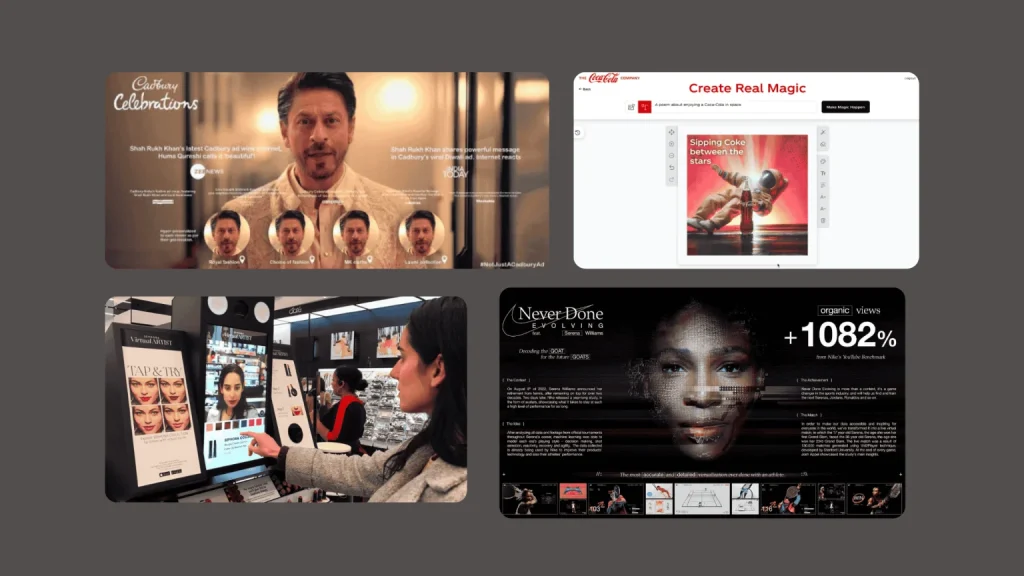
The world of Out-of-Home (OOH) advertising is undergoing a technological revolution. Traditional billboards — once static and one-dimensional — are now becoming data-powered, intelligent media assets capable of adapting in real-time.
At the center of this transformation lie two key drivers: Artificial Intelligence (AI) and Data Analytics. These technologies are reshaping how brands plan, buy, and measure billboard campaigns. They promise not only better visibility but also sharper targeting, optimized spending, and measurable ROI.
Let’s explore how AI and data analytics are defining the next generation of billboard advertising in India and across the world.
From Static to Smart: The Evolution of Billboards
Billboards have always been one of the most powerful storytelling tools in outdoor advertising. However, they’ve historically suffered from two limitations — lack of real-time targeting and limited measurement.
With digital transformation and AI integration, these limitations are disappearing fast. Modern billboards now use AI-driven data streams — from traffic cameras, weather feeds, and mobile devices — to display contextually relevant messages.
For example:
-
A coffee brand can trigger its ad during chilly mornings.
-
A sports retailer can flash jersey offers when a local team wins.
-
A travel brand can adjust creatives when airport traffic peaks.
Such dynamic adaptability makes billboard advertising not just visible — but context-aware and responsive.
AI in Billboard Advertising: Beyond Automation
AI is not just automating ad placements; it’s redefining creativity and efficiency. Let’s look at the key areas where AI is already shaping billboard advertising.
1. Predictive Audience Targeting
AI algorithms analyze data from multiple sources — including mobile location signals, footfall heatmaps, and vehicle telemetry — to predict who is likely to see an ad and when.
This allows advertisers to:
-
Target specific audience clusters.
-
Choose optimal times for higher visibility.
-
Predict campaign reach before launching.
For instance, a food delivery app can focus its billboards near residential zones during dinner hours rather than office hubs.
2. Real-Time Dynamic Content Optimization
AI-powered billboards can update content in real time based on live conditions.
Imagine a DOOH (Digital Out-of-Home) screen that:
-
Displays sunscreen ads on sunny days and umbrellas during rain.
-
Promotes cold drinks when temperature crosses 35°C.
-
Highlights nearby store discounts based on geolocation.
This adaptability improves engagement and enhances relevance, ensuring that messages stay timely and contextual.


3. Facial Recognition and Sentiment Detection
Some advanced global markets are experimenting with AI-powered camera sensors that anonymously detect age group, gender, and mood.
This data helps brands:
-
Understand audience demographics passing by a location.
-
Adjust creatives to suit real-time audience composition.
-
Gather feedback on emotional response to the ad.
While this raises data privacy concerns, regulated and anonymized usage can improve campaign personalization.
4. Creative Intelligence
AI isn’t just optimizing placement; it’s also enhancing creativity.
Brands are using generative AI tools to:
-
Auto-generate multiple ad variations for testing.
-
Design visual layouts optimized for contrast, color, and visibility.
-
Simulate how creatives will look from different viewing angles.
This reduces turnaround time and helps marketers produce visually stronger campaigns faster.
The Role of Data Analytics: Making Every Billboard Count
AI provides intelligence, but data analytics ensures precision. By tracking audience movement, dwell time, and engagement, advertisers can now measure what was once unmeasurable.
1. Smarter Site Selection
Data analytics uses geo-mapping, mobile tracking, and demographic profiling to identify high-value billboard locations.
Instead of choosing sites based on guesswork, advertisers can rely on:
-
Footfall patterns.
-
Traffic congestion hours.
-
Catchment demographics.
This allows brands to choose placements that reach the right audience — not just a large one.
2. Measuring Real Impact
The age-old question in OOH — “Who actually saw my ad?” — now has an answer.
With data analytics, advertisers can track:
-
Impression counts using satellite and camera data.
-
Device movement correlations to measure exposure.
-
Lift metrics, such as store visits or website traffic from the ad’s vicinity.
By integrating these insights, OOH now offers attribution clarity once limited to digital ads.
3. Campaign Optimization
Analytics dashboards help marketers monitor campaign performance daily.
They can:
-
Reallocate budgets to high-performing sites.
-
Replace underperforming creatives mid-flight.
-
Adjust content timing dynamically.
Such agility transforms OOH from a static investment into a living, responsive ecosystem.
The Indian Context: AI Meets Street-Level Reality
India’s outdoor advertising sector — valued at over ₹4,500 crore in 2025 — is embracing digital transformation rapidly.
Cities like Mumbai, Delhi, Bengaluru, and Hyderabad already host hundreds of digital LED billboards integrated with smart data systems.
Startups and tech-driven agencies are using AI analytics tools to:
-
Identify high-density commuter corridors.
-
Match audience segments with local retail clusters.
-
Measure engagement through QR scans, NFC tags, and app check-ins.
As India’s Smart City initiatives expand, programmatic OOH — where billboards are bought, sold, and optimized using AI — will become mainstream by 2026.
Programmatic DOOH: The Future Has Arrived
Programmatic DOOH combines the power of AI automation and real-time analytics to enable smarter media buying.
Instead of manually booking billboard slots, advertisers can use AI-powered platforms that:
-
Automatically purchase inventory based on audience availability.
-
Trigger campaigns only during optimal conditions.
-
Report performance instantly.
For example, a car brand might only activate its ads during rush-hour traffic or near dealership catchments, ensuring maximum relevance for every rupee spent.
Data-Driven Creativity: Personalization at Scale
In the next phase of billboard evolution, AI will merge creativity with data. Imagine digital billboards that display personalized messages — not to individuals, but to audience segments.
For instance:
-
Morning commuters see coffee or finance ads.
-
Evening commuters see OTT and food delivery messages.
-
Weekend crowds see travel and shopping promotions.
By analyzing traffic and sentiment data, AI will tailor messaging in real time, creating campaigns that feel alive, reactive, and local.
Challenges: Data Privacy and Ethical Advertising
While AI and analytics enhance targeting precision, they also introduce ethical and regulatory challenges.
Advertisers must ensure:
-
Anonymous data collection (no facial identification).
-
Transparency in how location data is used.
-
Compliance with privacy laws like India’s DPDP Act.
Building trust through ethical AI use will define the credibility of modern OOH networks.
The Environmental Edge
AI can also make billboard networks more sustainable.
By analyzing traffic and lighting data, systems can:
-
Dim screens during low-traffic hours.
-
Optimize energy use based on solar input.
-
Replace manual vinyl changes with digital updates.
This shift reduces waste and carbon footprint, aligning OOH with eco-friendly advertising practices — a growing brand priority.
What the Next Five Years Will Bring
By 2030, AI-integrated billboard advertising will dominate India’s urban OOH market. Expect to see:
-
100% measurable impressions via data dashboards.
-
Voice and gesture-interactive screens at malls and metros.
-
Emotion-based creative rotation using AI sentiment tracking.
-
Fully automated media buying powered by real-time audience data.
In short, billboards won’t just display ads — they’ll communicate intelligently with their environments.
Conclusion
The future of billboard advertising lies at the intersection of AI, analytics, and creativity. Together, they’re turning outdoor media from passive exposure into active engagement.
For brands, this means more relevance, higher ROI, and measurable success. For consumers, it means smarter, more contextual experiences on their daily journeys.
As India’s smart cities evolve, AI-powered billboards will light up the skyline — not just with color, but with intelligence.
Partner with MyHoardings to explore AI-led outdoor advertising strategies that deliver real-world impact, measurable data, and smarter citywide presence.