


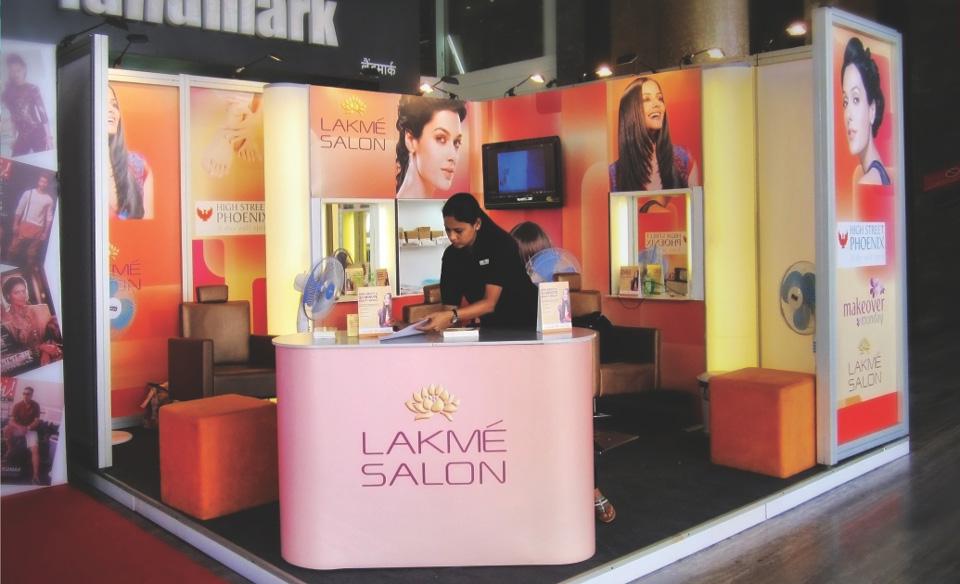
In 2026, the Indian shopping mall is fighting a silent war against the “10-minute delivery” apps. If someone just wanted a pair of jeans, they’d order them from their couch. When they actually get dressed and brave the city traffic to reach a mall like Phoenix Palladium or Lulu, they aren’t just “users” they are “high-intent explorers.” They have come to see, touch, and feel.
To win them over, mall branding has to stop being a background wallpaper and start being a conversation starter.
1. The “Instagram-First” Atrium Strategy
If your mall’s central atrium doesn’t make people pull out their phones, you’ve lost half the battle. In 2026, brands are moving away from generic flex banners. Instead, they are building “Phygital” Installations.
For example, during a sneaker launch, a brand might set up a giant, gravity-defying shoe display that uses Augmented Reality (AR). When a shopper points their phone at it, the shoe “explodes” into a 3D digital history of the brand. This isn’t just an ad; it’s an “event.” When that shopper posts a story on Instagram, your brand message travels from a physical mall in Bengaluru to a thousand screens across India for free.


2. Sensory Triggers: Engaging the “Non-Visual” Brain
We are seeing a massive rise in Scent and Sound Branding in Indian malls. Walk near a premium skincare kiosk, and you’ll notice a subtle, calming eucalyptus mist. Pass by a sports brand, and the acoustics change to a high-energy beat.
Humans are wired to respond to smells and sounds faster than images. By creating these “sensory zones,” malls help shoppers shift their mindset. You aren’t just walking past a shop; you are entering a “vibe.” This is why a shopper who intended to spend 30 minutes in a mall ends up spending three hours and three times the money.
3. Turning “Dead Time” into “Buying Time”
The biggest missed opportunities in malls are the “waiting zones” escalators, lifts, and food court queues. In 2026, smart brands are using Nudge Marketing here.
-
The Escalator Nudge: Instead of a logo, the side panel says: “Your feet deserve a break. Skechers is just 20 steps left from the top.” * The Smart Lift: Screens inside lifts now use anonymous AI sensors. If the lift is full of teenagers, it shows a movie trailer; if it’s a family with kids, it shows a toy store discount. This is about talking to the right person at the right moment, rather than shouting at everyone.
4. The “Scan-and-Carry” Convenience
Even in a mall, people hate carrying heavy bags. The “Phygital” mall of 2026 has solved this. Branding panels now feature “Direct-to-Home” QR codes. You see a beautiful furniture setup in a mall corridor, scan the code, pay via UPI, and it’s shipped to your house before you even finish your lunch at the food court.
This turns every pillar and glass railing into a “virtual storefront.” It allows smaller boutique brands to have a “mall presence” without needing a 2,000 sq. ft. showroom.


5. Local Roots: The “Vocal for Local” Touch
Indian shoppers are deeply connected to their culture. A mall in Kochi during Onam or Kolkata during Durga Pujo needs to feel different from a mall in London or Dubai. 2026 branding is all about Regionalism.
Using local dialects in digital signage like a “Kem Cho” greeting in an Ahmedabad Mall Advertising creates an instant psychological bond. When a shopper feels “at home,” their trust in the brands around them increases. Malls that host local artisan pop-ups alongside global brands are seeing 30% higher footfalls because they offer something a screen can never replicate: a sense of community.
Conclusion
Engaging a shopper in 2026 is about moving from “Look at me” to “Do this with me.” Whether it’s an AR mirror that lets you try on a saree in seconds or a scent-mapped corridor that leads you to a café, the best mall branding solutions are the ones that make the physical world feel more exciting than the digital one.