


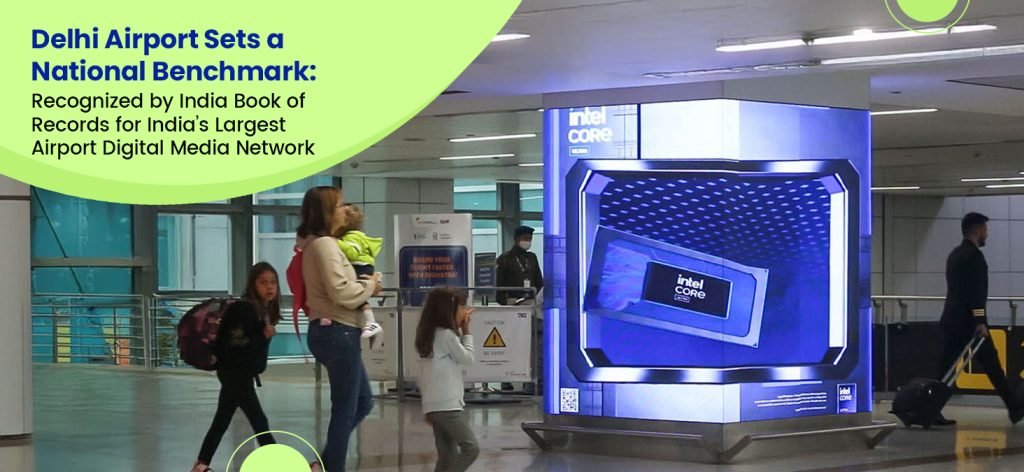
By the end of 2026, programmatic DOOH is expected to capture nearly 25% of all digital outdoor budgets in India. The transition from “Static” to “Smart” has been fueled by the expansion of premium screens across airports, metro networks, and corporate hubs like Gurugram’s Cyber City and Bengaluru’s Outer Ring Road.
The Shift: Why Programmatic is Non-Negotiable
Traditional OOH Advertising was a “data-dark” medium impactful for visibility but nearly impossible to measure or optimize mid-campaign. pDOOH has fundamentally solved this by introducing:
-
Real-Time Bidding (RTB): Brands can now bid for specific ad slots on digital screens through a Demand Side Platform (DSP), just like online display ads.
-
Contextual Triggers: Ads can be programmed to play only when certain conditions are met, such as weather changes, live sports scores (like IPL updates), or specific traffic density levels.
-
Verified Impressions: Using IoT sensors and mobile location data, pDOOH provides actual “billable impressions” rather than vague traffic estimates.


High-Impact Triggers for the Indian Market
One of the most powerful features of pDOOH is its ability to adapt to the environment. In 2026, brands are using these three key triggers to maximize ROI:
The Weather & Environment Filter
FMCG and beverage brands use temperature-based triggers to gain an edge. For example, a cold drink brand may set a rule to only activate ads on Mumbai’s high-street screens when the temperature crosses 34°C. Conversely, during the Delhi monsoon, a rain-wear brand can trigger ads the moment a local weather API detects rainfall.
Time-of-Day & Mobility Patterns
Audiences change throughout the day. A pDOOH strategy allows a brand to split its messaging:
-
Morning (8 AM – 11 AM): Focus on “Quick Breakfast” or “Corporate Banking” for commuters.
-
Evening (6 PM – 9 PM): Switch to “Luxury Real Estate” or “Streaming Services” for the homeward-bound crowd.
Live Data Feeds
Automotive and sports brands are leading the way by syncing their billboards with live events. During the 2026 cricket season, brands are displaying real-time match scores on highway gantries, creating an immediate emotional connection with fans on the move.
Closing the Loop: Cross-Channel Retargeting
The “Last Mile” of pDOOH is its integration with the mobile ecosystem. When a consumer is exposed to a premium digital billboard at a Delhi Metro station, geofencing technology identifies the anonymized mobile IDs in that vicinity.
Later that day, the same consumer is served a “retargeted” ad on their Instagram or YouTube feed. This “Physical-to-Digital” bridge ensures that the high-impact awareness of the billboard advertising is converted into a measurable click or app download on the smartphone.


Prime pDOOH “Moment Hubs” for 2026
While pDOOH is expanding into Tier-2 cities, the highest ROI remains concentrated in these “Power Zones”:
-
Transit Corridors: IGI Airport (T3), Mumbai Metro Line 3, and Bengaluru Kempegowda International Airport. These are the gold standards for targeting HNIs and global business travelers.
-
Corporate Districts: Gurugram Cyber Hub and Hyderabad’s HITEC City. These areas offer the highest concentration of corporate decision-makers and tech professionals.
-
Luxury Retail Hubs: Areas surrounding DLF Emporio (Delhi), Palladium (Mumbai), and UB City (Bengaluru) where the audience is already in a “spending mindset.”
Conclusion: Data Wins Budgets
As we move toward a more disciplined phase of growth, pDOOH is no longer a luxury it is a necessity for accountability. By 2026, the brands winning the streets are those that use data to be agile, relevant, and sustainable. In the new Indian marketing playbook, the most effective billboard isn’t the one that is seen by everyone; it’s the one that is seen by the right person at the perfect time.