


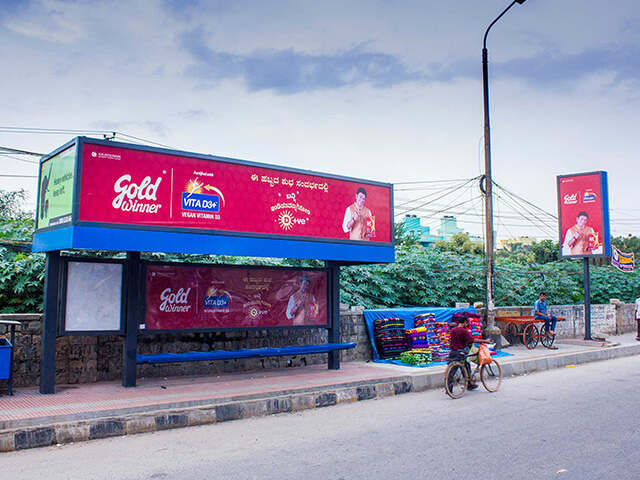
Outdoor advertising performance varies significantly across seasons. Weather conditions, commuting behaviour, and consumer mindset change throughout the year. Therefore, understanding seasonal bus shelter campaign planning and festive, monsoon, and summer visibility strategies is essential for brands aiming to maintain consistent urban presence.
Bus shelters offer a unique advantage in seasonal planning. They remain active touchpoints regardless of climate, providing continuous visibility when other outdoor formats lose effectiveness.
Why Seasonality Matters in Bus Shelter Advertising
Consumer movement patterns fluctuate seasonally. During summers, people travel early mornings and late evenings. While during monsoons, shelter dwell time increases. During festive periods, consumer attention intensifies.
Bus shelter advertising adapts naturally to these shifts because commuters remain stationary and exposed for longer durations.
As a result, shelters perform consistently across seasons when planned strategically.
Festive Season Bus Shelter Visibility Strategies
Capitalising on High Purchase Intent
Festive months drive increased spending across retail, electronics, banking, and gifting categories. During this time, visibility plays a decisive role.
Bus shelters near markets, malls, and residential zones deliver strong recall during repeated festive commutes.

Creative Messaging for Festive Impact
Festive campaigns perform best when creatives focus on:
-
Celebration themes
-
Limited-period offers
-
Emotional storytelling
-
Bright colour palettes
Repeated daily exposure reinforces urgency.
Strategic Zone Selection
Festive shelter placement should prioritise:
-
High-street retail corridors
-
Residential catchments
-
Market access roads
These zones connect directly to purchase behaviour.
Monsoon Bus Shelter Advertising Strategies
Increased Dwell Time Advantage
During monsoons, commuters spend longer time waiting at shelters. Rain naturally slows movement and increases viewing duration.
This extended dwell time significantly improves message absorption.
Visibility When Other OOH Formats Decline
Rain reduces hoarding visibility and road-side impact. Bus shelters, however, remain illuminated and covered.
Therefore, they maintain visibility even during poor weather conditions.
Creative Considerations for Monsoon Campaigns
Monsoon creatives should emphasise:
-
Clear visuals
-
High contrast colours
-
Waterproof design quality
-
Simple messaging
Clarity becomes critical in low-visibility environments.


Summer Bus Shelter Advertising Strategies
Peak Exposure During Morning and Evening Commutes
During summer months, commuters avoid midday travel. Traffic concentrates in early mornings and evenings.
Bus shelter campaigns should align messaging to these high-density time windows.
Leveraging Shelter Utility
In extreme heat, shelters offer shade. This increases stationary engagement and attention.
Brands benefit from longer viewing times during heat peaks.
Creative Tone for Summer Campaigns
Summer creatives perform best when they communicate:
-
Refreshment
-
Comfort
-
Relief
-
Energy
Such themes align with consumer mindset.
Planning Seasonal Creative Adaptations
A single annual campaign should not rely on one creative execution.
Effective seasonal bus shelter planning includes:
-
Core brand identity consistency
-
Seasonal messaging overlays
-
Colour palette adjustments
-
Context-specific call-to-action
This balance maintains recognition while improving relevance.
Route-Based Seasonal Placement Strategy
Seasonality also affects route selection.
-
Festive: shopping and residential routes
-
Monsoon: high-dwell transit corridors
-
Summer: shaded arterial roads and commuter routes
Adapting placement ensures maximum seasonal impact.
Industries That Benefit Most from Seasonal Shelter Campaigns
Seasonal planning works particularly well for:
-
Retail and e-commerce brands
-
FMCG and beverages
-
Banking and finance
-
Education institutions
-
Telecom and mobility services
These categories depend on timely visibility.
Measuring Seasonal Campaign Effectiveness
Brands assess seasonal performance through:
-
Footfall correlation
-
Local enquiry trends
-
Brand recall studies
-
Sales period uplift
Seasonally aligned shelter campaigns consistently outperform generic year-round placements.
Integrating Seasonal Bus Shelter Ads with Digital Campaigns
Combining seasonal outdoor visibility with:
-
Festival-based digital promotions
-
Weather-triggered mobile ads
-
Location-based retargeting
strengthens omnichannel recall and engagement.
Conclusion
Seasonal bus shelter campaign planning and festive, monsoon, and summer visibility strategies enable brands to remain relevant throughout the year. By aligning creative, placement, and timing with seasonal behaviour, advertisers maximise attention and recall.
In dynamic urban markets, bus shelters provide continuity across changing conditions—making them one of the most reliable seasonal advertising assets.
For brands seeking year-round presence with context-driven relevance, seasonal bus shelter planning is not optional—it is strategic.