


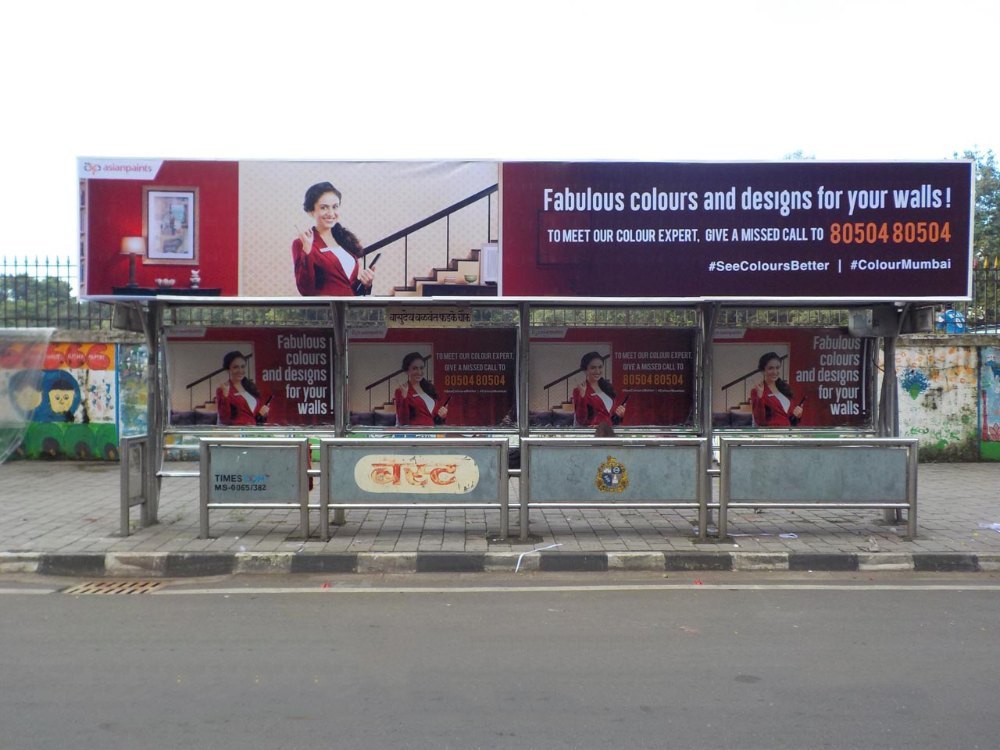
Modern consumers interact with brands across multiple platforms before making a purchase decision. Digital ads, social media, search, and offline media collectively shape perception. In this complex journey, understanding the role of bus shelter ads in strengthening omnichannel brand recall has become critical for marketers seeking consistency rather than fragmented exposure.
Bus shelter advertising operates at street level, embedded within daily routines. When integrated with digital and mobile channels, it reinforces memory through repetition, familiarity, and contextual relevance.
Understanding Omnichannel Brand Recall
Omnichannel brand recall refers to a consumer’s ability to recognise and remember a brand across different touchpoints. It does not rely on a single interaction. Instead, it builds through cumulative exposure.
Each channel plays a distinct role:
-
Digital creates discovery
-
Social builds engagement
-
Search supports intent
-
Outdoor reinforces memory
Bus shelter advertising strengthens this recall by anchoring digital impressions in the physical world.
Why Bus Shelter Ads Matter in Omnichannel Strategies
Physical Reinforcement of Digital Messaging
Consumers often forget digital ads quickly. However, when they encounter the same brand on bus shelters during their commute, memory strengthens.


This physical repetition converts fleeting digital exposure into lasting recognition.
Daily Visibility Within Consumer Routines
Bus shelters appear on fixed routes. Commuters see them repeatedly at the same locations.
As a result, brand messages become familiar landmarks rather than advertisements.
This familiarity directly improves recall.
Non-Skippable Exposure
Unlike digital ads, bus shelter ads cannot be skipped, muted, or blocked.
This uninterrupted presence ensures consistent reinforcement across the campaign period.
How Bus Shelter Advertising Complements Digital Channels
Supporting Social and Influencer Campaigns
When consumers see influencer content online and then encounter the same brand offline, trust increases.
The offline presence validates the digital narrative.
Enhancing Search and Retargeting Performance
Repeated offline exposure increases brand recognition. Consequently, users are more likely to click branded search results and display ads later.
Bus shelter ads indirectly improve digital performance metrics.
Strengthening Launch and Burst Campaigns
During campaign bursts, bus shelters act as frequency drivers.
They maintain continuity even when digital impressions fluctuate.
Psychological Drivers Behind Stronger Recall
The Mere Exposure Effect
Repeated exposure increases preference. Bus shelter advertising delivers high-frequency impressions without appearing intrusive. This repetition strengthens subconscious brand affinity.

Contextual Memory Anchoring
Seeing the brand at the same physical location daily links it to memory cues.
Later, digital exposure triggers recognition faster.
Trust Through Public Infrastructure
Advertising displayed on public transit assets carries implied legitimacy.
This enhances brand credibility and recall quality.
Ideal Use Cases for Omnichannel Reinforcement
Bus shelter advertising is particularly effective for:
-
Retail and QSR brands
-
Fintech and banking services
-
Education and coaching institutes
-
Healthcare and wellness brands
-
Real estate and residential projects
These categories benefit significantly from cross-channel recall reinforcement.
Best Practices for Omnichannel Integration
Maintain Creative Consistency
Brand colours, typography, and messaging must align across digital and outdoor creatives.
Consistency strengthens memory linkage.
Align Timing Across Channels
Bus shelter campaigns should run parallel with digital bursts to maximise reinforcement.
Misaligned timelines weaken recall synergy.
Use Location-Based Digital Support
Combining bus shelters with geo-targeted mobile ads enhances omnichannel effectiveness.
The same audience receives both physical and digital exposure.
Measuring Omnichannel Recall Impact
Advertisers evaluate impact through:
-
Brand lift studies
-
Search volume uplift
-
Recall and recognition surveys
-
Store visit correlation analysis
Bus shelter-supported campaigns consistently demonstrate stronger recall metrics.
Why Bus Shelters Outperform Other OOH Formats for Recall
Compared to hoardings or moving media, bus shelters offer:
-
Eye-level visibility
-
Longer viewing time
-
Daily repetition
-
Neighbourhood-level relevance
These factors make them ideal recall-building assets.
Conclusion
Understanding the role of bus shelter ads in strengthening omnichannel brand recall highlights their strategic importance in modern marketing ecosystems. By reinforcing digital exposure through daily physical presence, bus shelters convert awareness into lasting memory.
In an era of fragmented attention, brands that combine online visibility with offline repetition achieve stronger recall, higher trust, and improved long-term performance.
Bus shelter advertising therefore remains a foundational pillar of effective omnichannel branding.