The Environmental Impact and Sustainability of OOH Advertising
3 min read
As brands become more conscious of their environmental footprint, sustainability has become a key concern in advertising. While digital platforms are often praised for their low paper usage, Out-of-Home (OOH) advertisings is quietly transforming into one of the greenest media formats—thanks to advances in materials, energy use, and eco-smart planning.
Today’s OOH campaigns can be not only high-impact but also low-impact on the planet.
Rethinking the Materials: From PVC to Eco-Prints
Traditional OOH relied heavily on PVC flex, a durable but non-biodegradable material. But the industry is rapidly shifting toward eco-friendly substrates, including:
-
Bio-flex materials made from starch-based polymers
-
Canvas and fabric hoardings that are reusable
-
UV-curable inks that produce zero VOCs (volatile organic compounds)
These innovations help reduce the waste footprint of every campaign, especially when creatives are frequently updated across large formats.
Solar-Powered DOOH Units
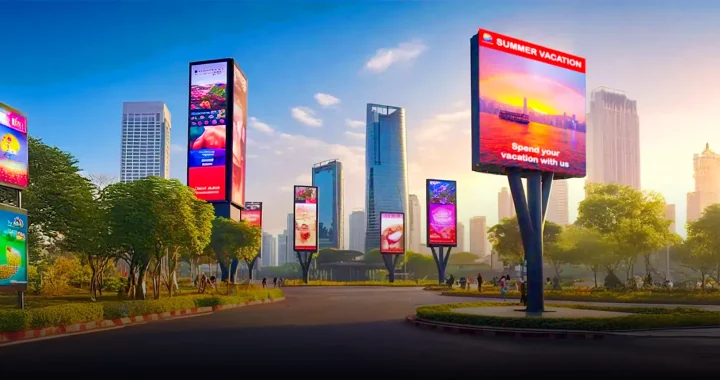
Digital Out-of-Home (DOOH) is often seen as energy-intensive—but that’s changing too. Many cities now support:
-
Solar-powered street furniture
-
Energy-efficient LED billboards
-
Timed illumination systems that reduce usage during low-footfall hours
Some campaigns even run on 100% renewable power, making them both visually powerful and environmentally responsible.

Recycling and Upcycling Campaign Waste
OOH media owners and brands are increasingly adopting closed-loop systems, where old hoardings are:
-
Recycled into carry bags, tarpaulins, or raincoats
-
Upcycled into school supplies or shelter roofing
-
Donated to NGOs for reuse
This reduces landfill contribution and supports socially impactful recycling.
Several brands in India have led the way by converting campaign materials into reusable goods post-campaign, creating both brand goodwill and sustainability value.
Smarter Planning = Less Waste
Sustainability in OOH isn’t just about materials—it’s also about strategic planning. With the right data tools and placement logic:
-
Fewer hoardings can deliver the same reach
-
Digital screens can rotate multiple creatives without printing
-
Campaigns can be geo-targeted to reduce overexposure
Efficient planning reduces the need for excess printing, transportation, and manpower—resulting in lower carbon emissions overall.
OOH vs. Digital: The Real Carbon Story
While digital media seems “cleaner,” it comes with hidden costs:
-
Data centers powering ads consume vast amounts of energy
-
Streaming and targeting use server load, adding to digital pollution
By contrast, static OOH:
-
Doesn’t require electricity for display
-
Produces no digital data load
-
Offers longer visibility with a single setup
With sustainable materials and practices, OOH can be just as eco-friendly—if not more—than online ads.
DOOH Efficiency and Smart Scheduling
Modern DOOH campaigns include features like:
-
Smart brightness sensors to adjust screen illumination
-
Automated on/off timers
-
Weather-responsive content that avoids unnecessary run-time
These tools help reduce power consumption without compromising visibility, making DOOH a climate-conscious format for high-volume messaging.
Community and Environmental Integration
OOH spaces are now being used to enhance community and environmental well-being. Examples include:
-
Green wall hoardings covered with plants
-
Bus shelters with solar roofs and air-purifying displays
-
OOH-funded tree plantations or cleanliness drives
This integration turns OOH ads into community assets, not just brand messaging tools.
About MyHoardings
MyHoardings is committed to making OOH advertisings sustainable for the future. From sourcing eco-friendly printing materials to leveraging solar-powered DOOH, we help brands minimize their environmental impact while maximizing visibility. If you’re looking to make a big impression with a small footprint, MyHoardings is your ideal partner.
? Contact: 9953847639
? Website: www.myhoardings.com
? Email: business@myhoardings.com
| Mode of Advertisement | Size | Rate (Starts from) |
|---|---|---|
| Hoardings | 12x8 | ₹ 10,000 |
| Unipoles | 10x10 | ₹ 5,000 |
| Bus Shelter | 12x8 | ₹ 1,20,000 |
| Skywalk | 12x8 | ₹ 40,000 |
| Metro Pillar | 12x8 | ₹ 18,000 |
| Digital OOH | 10x10 | ₹ 30,000 |