The 7-Minute Attention Window: Why RWA Branding Outperforms Most Urban Media Formats??
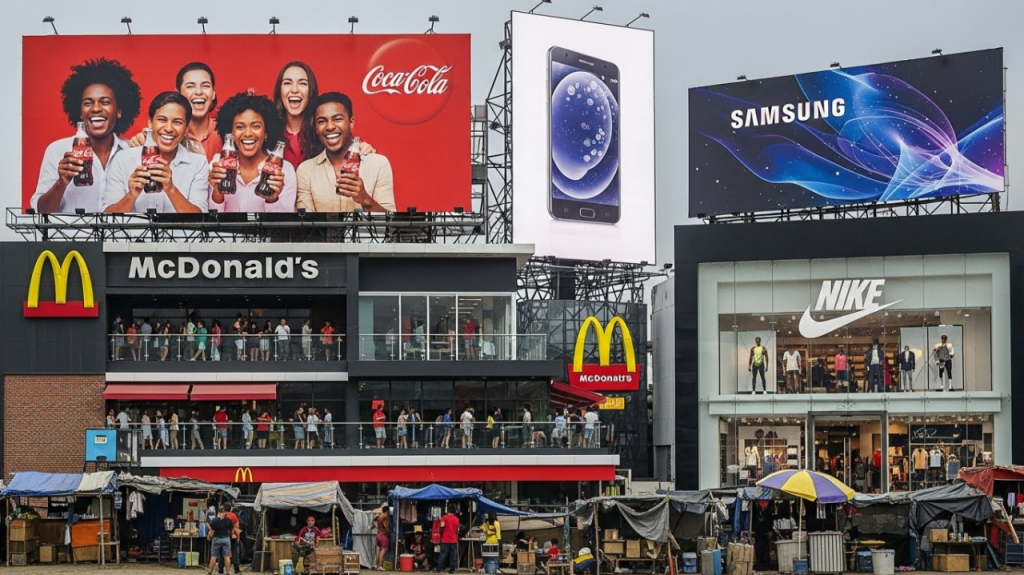
As cities become increasingly saturated with advertisements, brands are constantly searching for media channels that deliver meaningful consumer attention rather than fleeting impressions. Traditional billboards, transit advertising, and roadside media often compete for a few seconds of visibility before audiences move on. In contrast, Residential Welfare Association (RWA) branding provides a unique opportunity to engage consumers repeatedly within the spaces where they live, relax, and make purchasing decisions.
The concept of the “7-Minute Attention Window” highlights the cumulative time residents spend interacting with branded messages inside residential communities. This extended exposure makes RWA branding one of the most effective and underutilized urban advertising formats available today.
Understanding the 7-Minute Attention Window
Unlike highway billboards or traffic signal advertisements, RWA branding reaches consumers during multiple daily activities. Residents encounter branded messaging while entering and exiting the community, collecting deliveries, using elevators, visiting clubhouses, walking through common areas, or spending time in recreational spaces.
These repeated interactions may seem brief individually, but collectively they create several minutes of attention throughout the day. This repeated visibility significantly increases message retention and brand familiarity compared to traditional media formats.
Why Traditional Urban Media Faces Challenges
Most urban advertising formats face intense competition for consumer attention. Commuters are often distracted by traffic, mobile devices, or other visual stimuli. As a result, advertisements frequently receive only a few seconds of engagement.
Additionally, traditional outdoor advertising relies heavily on reach rather than depth of engagement. While a billboard may be viewed by thousands of people, the actual time spent processing the message is often limited.
RWA branding addresses this challenge by offering a controlled environment where consumers repeatedly encounter the same brand message in a familiar setting.
The Power of Repeated Exposure
Marketing studies consistently show that repeated exposure improves brand recall and consumer trust. Residential communities naturally create high-frequency exposure opportunities because residents interact with the same spaces every day.
This repetition helps brands:
- Increase awareness
- Strengthen recall
- Improve message retention
- Build familiarity
- Influence purchase decisions
As consumers become more familiar with a brand, they are more likely to consider it during future buying decisions.
Building Trust Within Residential Communities
One of the strongest advantages of RWA branding is the trust associated with residential environments. Consumers often perceive brands advertising within gated communities as more credible and relevant.
Unlike intrusive digital advertisements, residential branding integrates naturally into daily life. This subtle yet consistent presence creates positive brand associations and enhances consumer confidence.