The Rise of Residential Media Networks: How RWAs Are Becoming Mini Advertising Cities??

The advertising landscape is constantly evolving as brands search for more effective ways to connect with consumers. Traditional outdoor media formats such as billboards, transit advertising, and roadside displays continue to play an important role, but advertisers are increasingly exploring environments that offer deeper engagement and repeated exposure.
One such environment is the Residential Welfare Association (RWA) ecosystem. Modern residential communities are no longer simply places where people live; they have evolved into vibrant micro-economies with their own infrastructure, services, amenities, and daily traffic. As a result, RWAs are emerging as powerful residential media networks that function much like mini advertising cities. These communities provide brands with unique opportunities to engage consumers in trusted, high-frequency environments where purchasing decisions are often influenced and discussed.
Understanding the Residential Media Network
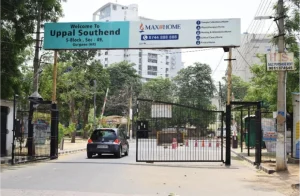
A residential media network consists of multiple advertising touchpoints distributed throughout a residential community. Unlike traditional outdoor advertising, which often relies on a single location, RWAs provide brands with numerous visibility opportunities within one ecosystem.
These include:
- Entry gates
- Security cabins
- Visitor management areas
- Elevators
- Clubhouses
- Parking zones
- Walking tracks
- Recreational spaces
- Community notice boards
Together, these touchpoints create a connected media environment capable of delivering consistent brand exposure throughout the day.
Why RWAs Resemble Mini Advertising Cities
Large residential communities often house thousands of residents across multiple towers and buildings. In addition to residents, these communities witness daily movement from:
- Visitors
- Delivery executives
- Domestic staff
- Maintenance personnel
- Service providers
This continuous flow of people mirrors the activity seen in small urban centers. Brands can therefore benefit from reaching a diverse audience without leaving a single residential complex. The ability to engage consumers repeatedly within one environment makes RWAs highly valuable for advertisers seeking both visibility and relevance.
High-Frequency Consumer Exposure
One of the biggest advantages of residential media networks is repeated exposure. Residents interact with community infrastructure several times every day. Whether entering the gate, using elevators, visiting the clubhouse, or walking through common areas, consumers repeatedly encounter brand messages.
This frequency helps improve:
- Brand awareness
- Message retention
- Consumer familiarity
- Purchase consideration
- Long-term recall
Repeated interactions often have a stronger impact than a single high-reach advertisement.
Building Trust Through Residential Presence
Consumers tend to trust brands that appear in familiar and comfortable environments. Residential communities provide a level of credibility that many traditional advertising channels struggle to achieve.
Because advertising is integrated into residents’ daily lives, it feels less intrusive and more relevant. This trusted environment enables brands to build stronger emotional connections with consumers over time. For categories such as FMCG, automobiles, banking, education, healthcare, and real estate, residential branding can be particularly effective.

The Future of Hyperlocal Advertising
As urban populations continue to grow, residential communities will play an increasingly important role in advertising strategies. Brands are shifting focus from mass exposure to targeted engagement, making RWAs ideal platforms for reaching specific consumer groups.
Residential media networks combine the benefits of outdoor advertising, community engagement, and hyperlocal targeting into a single ecosystem. This unique combination positions RWAs as one of the most promising advertising channels for the future.