The Growth of Programmatic and Dynamic Ads in Railway Environments
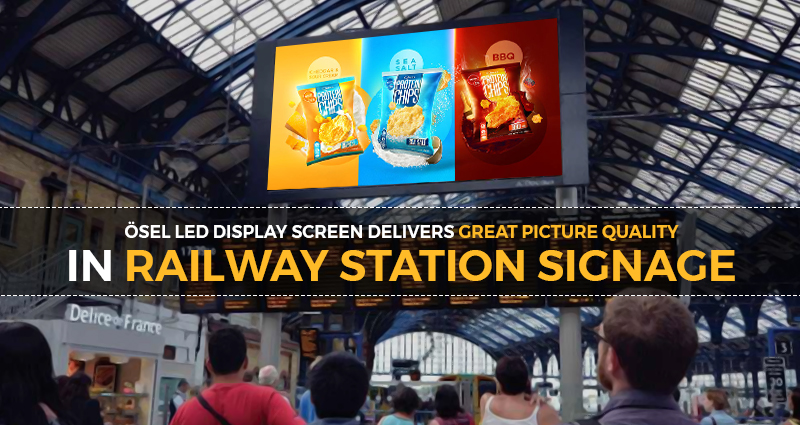
Programmatic and dynamic ads in railway environments are transforming rail advertising with data, automation, and flexibility.
Railway environments in India have always been high-impact advertising zones due to massive daily footfall and long commuter dwell time. However, traditional static formats are no longer enough for brands seeking precision and accountability. As a result, programmatic and dynamic ads in railway environments are witnessing rapid growth. This shift is driven by digital infrastructure upgrades, smarter data usage, and the demand for measurable outcomes. In 2026 and beyond, railway advertising is evolving into a responsive, tech-enabled media channel rather than a fixed, one-way communication tool.
Understanding Programmatic Advertising in Railway Environments
Programmatic advertising refers to the automated buying, placement, and optimization of ad inventory using data and algorithms. In railway environments, this primarily applies to digital screens located on platforms, concourses, waiting areas, and inside trains.
Instead of booking fixed creatives for long durations, brands can now:
-
Purchase time-based or audience-based slots
-
Rotate creatives dynamically
-
Adjust messaging based on real-time conditions
Although static formats still dominate, programmatic layers are increasingly shaping how railway media is planned and executed.
Rise of Digital Screen Infrastructure Across Rail Networks
The growth of programmatic ads in railway environments is closely tied to the expansion of digital screen infrastructure. Stations are increasingly equipped with LED panels, video walls, and information-display systems that double as advertising inventory.
These screens enable:
-
Multiple advertisers on the same asset
-
Centralized content control
-
Faster creative updates
As digital penetration increases, railway environments become suitable for automation and dynamic delivery.
Dynamic Ads Driven by Time, Context, and Location
Dynamic advertising allows creatives to change based on predefined triggers. In railway environments, this capability is especially powerful due to predictable commuter patterns.
Common triggers include:
-
Time of day (morning vs evening commuters)
-
Weekdays vs weekends
-
Peak vs non-peak hours
-
Weather conditions
For example, a food brand may promote breakfast offers during morning rush hours and switch to snack messaging in the evening. This relevance improves attention and recall significantly.
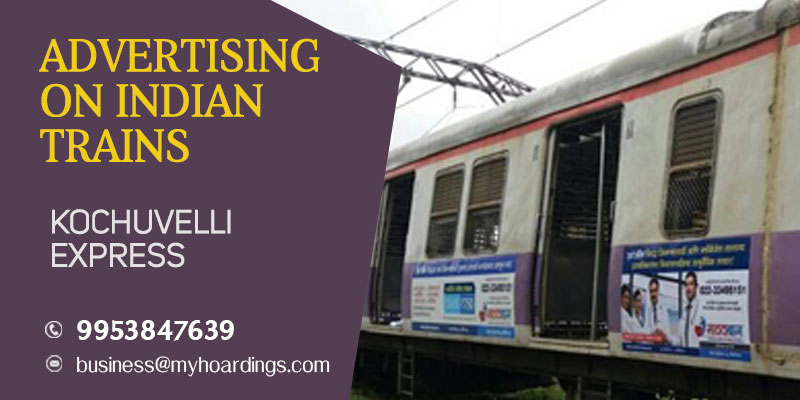
Audience Segmentation Using Mobility and Footfall Data
One major advantage of programmatic railway advertising is improved audience understanding. Aggregated and anonymized mobility data helps advertisers identify commuter profiles based on routes, timings, and station types.
As a result, brands can:
-
Match creatives to office-goers, students, or travelers
-
Prioritize high-value stations dynamically
-
Reduce media wastage
This data-led approach transforms railway advertising from mass exposure to targeted communication.
Integration with Mobile and Digital Ecosystems
The growth of dynamic ads in railway environments is further accelerated by mobile integration. Commuters often interact with their phones while waiting or traveling.
Brands increasingly combine:
-
Station-based digital ads
-
Geo-fenced mobile campaigns
-
QR-led engagement
When commuters see an ad on a platform screen and later receive a related mobile message, recall and conversion improve. Therefore, programmatic railway ads act as triggers within a broader omnichannel strategy.
Real-Time Optimization and Campaign Flexibility
Traditional railway advertising required long-term commitments with limited flexibility. Programmatic models change this completely.
Advertisers can now:
-
Pause or extend campaigns instantly
-
Replace underperforming creatives
-
Shift budgets to high-performing stations
This flexibility is especially valuable during launches, festivals, or short-term promotions. Consequently, railway environments become more agile and advertiser-friendly.
Measurement and Attribution Improvements
One of the biggest drivers behind programmatic adoption is better measurement. Digital railway ads generate data that can be analyzed for performance insights.
Key measurable outcomes include:
-
Ad play frequency and time slots
-
Engagement through QR scans
-
Store visit uplift near stations
-
Mobile search or app activity post exposure
With improved attribution models, railway advertising is no longer limited to awareness metrics alone.
Challenges Slowing Adoption
Despite strong growth, programmatic railway advertising faces challenges. Fragmented ownership, uneven digital infrastructure, and regulatory approvals can slow scale.
Additionally, not all stations are programmatic-ready. However, as standardization improves and authorities invest in smart infrastructure, these barriers are gradually reducing.
Why Brands Are Increasing Programmatic Spend in Rail Media
Brands are shifting budgets toward programmatic railway ads because they offer:
-
High dwell time environments
-
Contextually relevant messaging
-
Better accountability
-
Scalable digital inventory
Compared to roadside DOOH, railway environments provide more controlled and attentive audiences. Therefore, dynamic formats deliver stronger brand impact.
The Future of Programmatic and Dynamic Ads in Railway Environments
Looking ahead, railway advertising will increasingly adopt AI-driven optimization, automated pricing, and deeper personalization. Static formats will coexist, but digital, programmatic layers will define growth.
Brands that invest early in programmatic and dynamic ads in railway environments will benefit from higher efficiency, stronger recall, and better ROI. As rail infrastructure modernizes, advertising within it will become smarter, faster, and more measurable.