The Platform-to-Passenger Effect: How Train Branding Can Influence Consumers Before They Board??
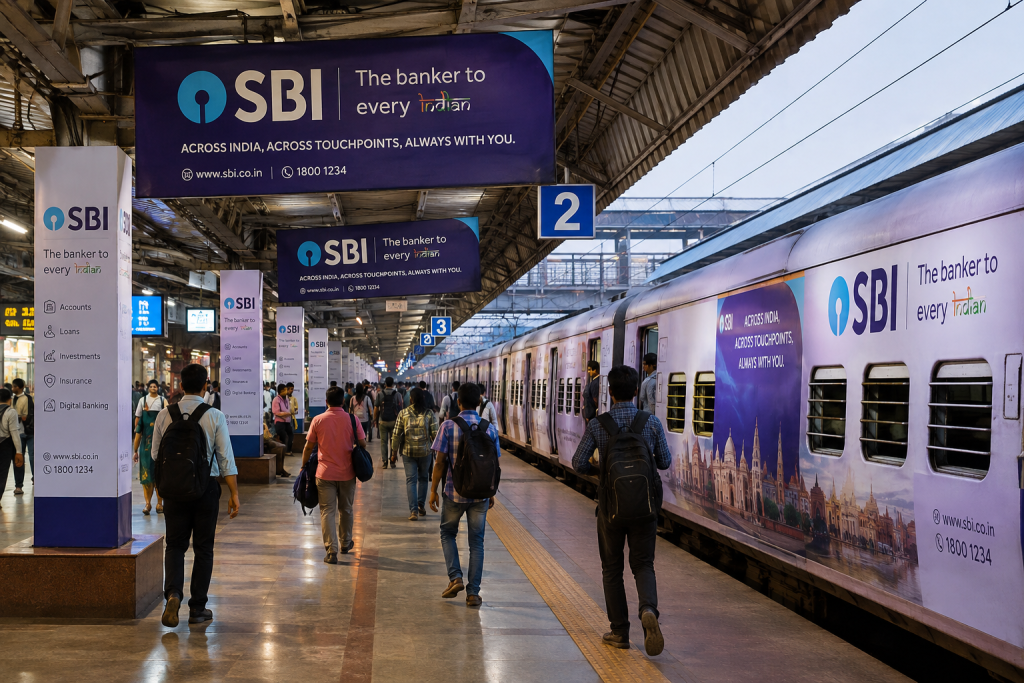
Train journeys begin before passengers enter the train. The platform is often the first environment where commuters pause, wait, observe, and prepare for their journey. This creates a valuable opportunity for brands to communicate with audiences before they board.
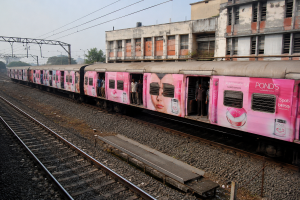
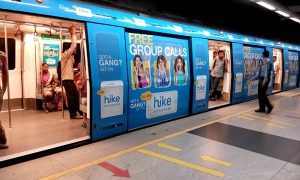
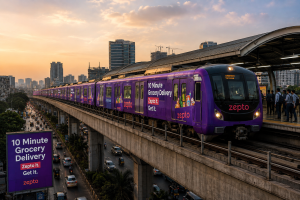
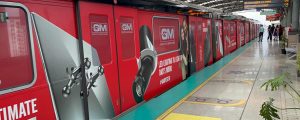
Train branding placed strategically across platforms can transform this waiting period into a meaningful advertising touchpoint. Instead of competing for attention during a fast-moving journey, brands can connect with consumers when they are naturally stationary and more receptive to their surroundings.

Turning Waiting Time Into Brand Time
Waiting on a platform creates an important attention window. Passengers may check their phones, look toward the arriving train, observe advertisements, or simply scan their environment.
A well-designed OOH campaign can become part of this routine. Large-format branding, platform panels, pillars, digital screens, or train-related installations can provide repeated exposure while passengers wait.
The objective is not simply to display a logo. It is to create a visual association between the brand and a familiar part of the commuter’s everyday journey.
Building Recognition Before the Journey Begins
The moments before boarding can influence how passengers perceive the brands they encounter. When commuters repeatedly see the same brand across familiar railway routes, recognition can gradually become stronger.
Train branding can therefore work as a frequency-driven medium. Daily commuters may encounter the same campaign multiple times a week, creating cumulative visibility that conventional one-time advertising placements may struggle to achieve.
For brands entering a new market, launching a product, or building mass awareness, this repeated exposure can help establish familiarity among high-frequency urban audiences.
Making the Platform Part of the Campaign
Innovative train advertising does not have to remain limited to the train itself. The platform can become an extension of the campaign experience.
Creative executions can use pillars, walls, entry points, stairways, waiting areas, and other high-visibility locations to create a connected visual journey. When executed thoughtfully, the advertising becomes integrated with the passenger’s movement rather than feeling like an isolated media placement.