The Route Ownership Effect: Why Brands Are Moving From Buying Train Space to Owning the Journey??
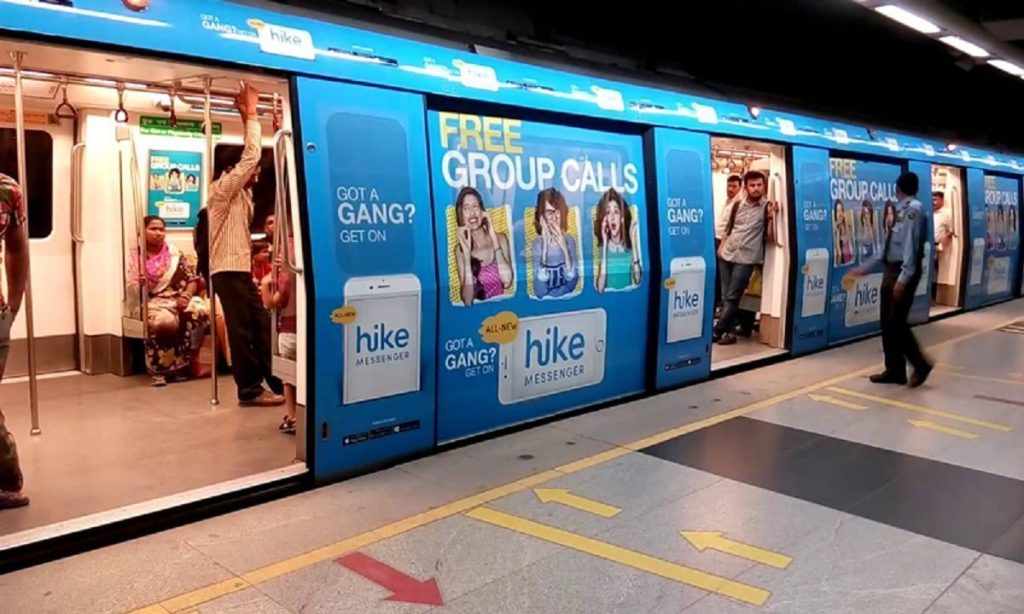
Train advertising has traditionally been viewed as a media-space purchase: brands select a coach, station panel, platform, or digital screen and communicate their message to passing audiences. But modern OOH campaigns are increasingly moving toward a broader idea—owning the journey rather than simply buying space.
The Route Ownership Effect describes how consistent branding across multiple points of a train route can create stronger visibility, familiarity, and recall among commuters.
From Advertising Space to Journey Presence
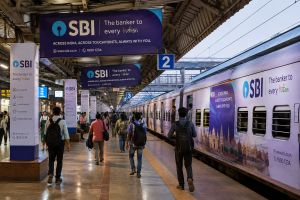
A train journey contains multiple moments of exposure. Passengers may encounter a brand while entering a station, waiting on the platform, walking toward the coach, travelling inside the train, and exiting at their destination.
Instead of treating these as separate advertising opportunities, brands can connect them into one campaign ecosystem.
A coordinated visual identity across these touchpoints can make the brand feel like a natural part of the journey.

Creating Repeated Exposure Across the Route
One of the biggest advantages of train branding is repetition. Daily commuters often follow similar routes at predictable times, creating multiple opportunities for brand exposure.
When a campaign appears consistently along the same route, passengers can encounter the same message repeatedly. Over time, this repetition can strengthen brand recognition and make the campaign easier to remember.
For launches, category-building campaigns, and brands targeting urban audiences, route-level visibility can therefore become particularly valuable.
Making the Route a Brand Asset
Owning a route does not necessarily mean branding every available surface. It means creating enough connected visibility for the campaign to become noticeable throughout the passenger experience.
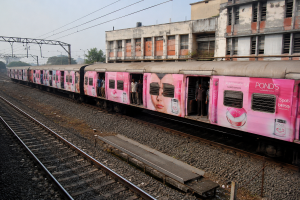
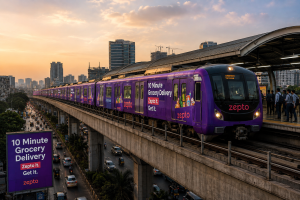
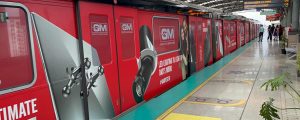
A brand might combine station branding, platform media, train wraps, coach interiors, digital screens, and strategic OOH formats to create a unified presence.
The campaign effectively follows the consumer instead of waiting for the consumer to notice one isolated advertisement.
Turning Commuter Movement Into Brand Memory
The Route Ownership Effect shows how train advertising can evolve from individual media placements into a connected journey experience. When brands consistently appear across the places consumers already travel through, the route itself can become a repeated reminder of the brand.
In a crowded advertising environment, owning the journey can help brands build visibility not through one large moment, but through a series of connected encounters that accumulate over time.