Digital Screens and DOOH Expansion at Major Railway Stations
4 min read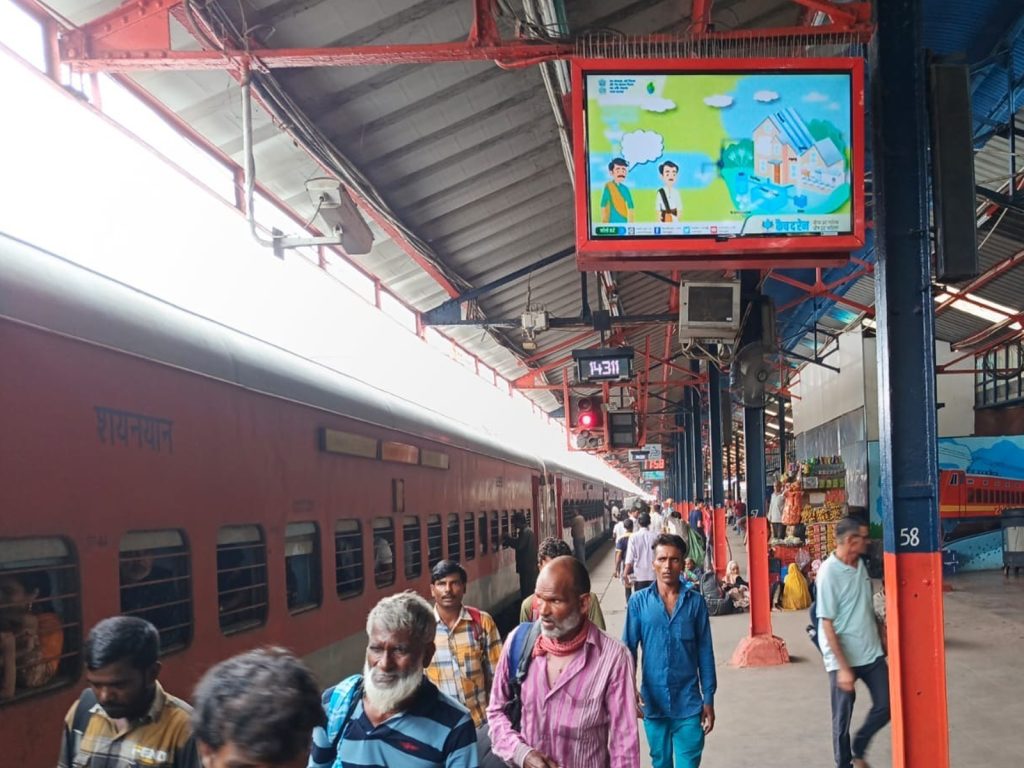
Digital screens and DOOH expansion at major railway stations is transforming rail hubs into high-impact media zones.
Major railway stations in India are no longer just transit points. They have evolved into high-footfall commercial hubs where commuters, travelers, and visitors spend significant time. This shift has accelerated the expansion of digital screens and DOOH at major railway stations, transforming them into premium advertising environments. With long dwell time, captive audiences, and improving infrastructure, railway stations are now central to data-driven, high-impact outdoor advertising strategies.
The Rise of Digital Screens in Railway Station परिसरों
Over the past few years, railway authorities and concessionaires have aggressively upgraded station infrastructure. Large LED walls, video panels, platform screens, and concourse displays are replacing static hoardings.
These digital screens offer:
-
Dynamic content rotation
-
Multiple advertisers on a single asset
-
High brightness for all lighting conditions
-
Centralized content control
As a result, stations are becoming scalable DOOH networks rather than isolated media sites.
Why DOOH Works Exceptionally Well at Railway Stations
Railway stations offer a unique combination of reach and attention. Unlike roadside media, station environments provide long dwell time, especially at platforms, waiting halls, ticketing zones, and food courts.
DOOH at railway stations benefits from:
-
Repeated exposure during wait times
-
Minimal ad avoidance
-
High recall due to limited visual clutter
-
Strong contextual relevance for travel, retail, and services
Therefore, digital screens at stations deliver both scale and engagement.
Strategic Locations Driving DOOH Effectiveness
Not all station areas perform equally. The expansion of digital screens is highly strategic, focusing on zones where attention peaks.
High-impact DOOH zones include:
-
Main entry and exit gates
-
Platform waiting areas
-
Foot overbridges and subways
-
Ticketing and concourse halls
-
Premium lounges and food zones
By placing screens along natural passenger movement paths, advertisers achieve higher visibility without being intrusive.
Programmatic and Dynamic Capabilities in Station DOOH
One of the biggest advantages of digital DOOH expansion at railway stations is programmability. Advertisers can now deploy time-based, location-based, and context-driven creatives.
Common use cases include:
-
Morning vs evening commuter messaging
-
Weekday vs weekend creatives
-
Festival or event-based ads
-
Emergency or public information integration
This flexibility allows brands to stay relevant throughout the day rather than running static messages for weeks.
Integration with Mobile and Digital Ecosystems
Modern station DOOH is no longer a standalone medium. It increasingly integrates with mobile and digital platforms.
Brands are combining:
-
Station-based DOOH exposure
-
Geo-fenced mobile ads
-
QR-enabled engagement
-
App install or store visit tracking
This integration improves attribution and positions railway DOOH as part of an omnichannel performance strategy.
Categories Driving DOOH Growth at Railway Stations
Several advertiser categories are actively fueling the expansion of digital screens at major railway stations.
Top categories include:
-
FMCG and packaged foods
-
E-commerce and quick commerce platforms
-
Travel, tourism, and hospitality
-
Fintech, banking, and telecom
-
Entertainment, OTT, and app-based services
These brands value high-frequency exposure and benefit from the travel-ready mindset of station audiences.
Measurement and Accountability Improvements
Traditional OOH suffered from limited measurement. However, DOOH at railway stations now supports advanced analytics.
Brands can measure:
-
Ad play frequency and duration
-
QR scans and digital interactions
-
Footfall lift near station exits
-
Search and app activity in station catchments
This shift from estimated reach to measurable outcomes is driving advertiser confidence and higher budgets.
Challenges in Scaling DOOH Across All Stations
Despite rapid growth, expansion is uneven. Smaller stations may lack digital infrastructure, power stability, or standardized screen formats.
Additionally:
-
Regulatory approvals can slow installations
-
Content restrictions apply in transit environments
-
Network standardization takes time
However, these challenges are gradually reducing as railway modernization continues.
Role of Smart Stations and Redevelopment Projects
Station redevelopment and smart station initiatives are accelerating DOOH adoption. New designs integrate digital signage as part of architecture rather than as add-ons.
This ensures:
-
Better aesthetics
-
Higher screen visibility
-
Long-term scalability
As more stations undergo redevelopment, DOOH inventory will expand organically.
Why Railway Station DOOH Is a Long-Term Growth Engine
The expansion of digital screens and DOOH at major railway stations aligns perfectly with advertiser needs for scale, attention, and accountability. With daily footfall running into lakhs at major hubs, stations offer one of the most efficient cost-per-attention ratios in outdoor media.
For brands, railway station DOOH is no longer experimental. It is becoming a core component of national and regional media plans.
The Future of DOOH at Major Railway Stations
Looking ahead, railway DOOH will become more intelligent and automated. AI-driven scheduling, audience-based planning, and deeper mobile integration will define the next phase.
Brands that invest early in station DOOH will benefit from premium placements, data learnings, and stronger commuter recall. As rail travel continues to grow, digital screens at stations will remain one of the most powerful OOH touchpoints in India.