How Regional Language Train Ads Are Driving Deeper Passenger Engagement
4 min read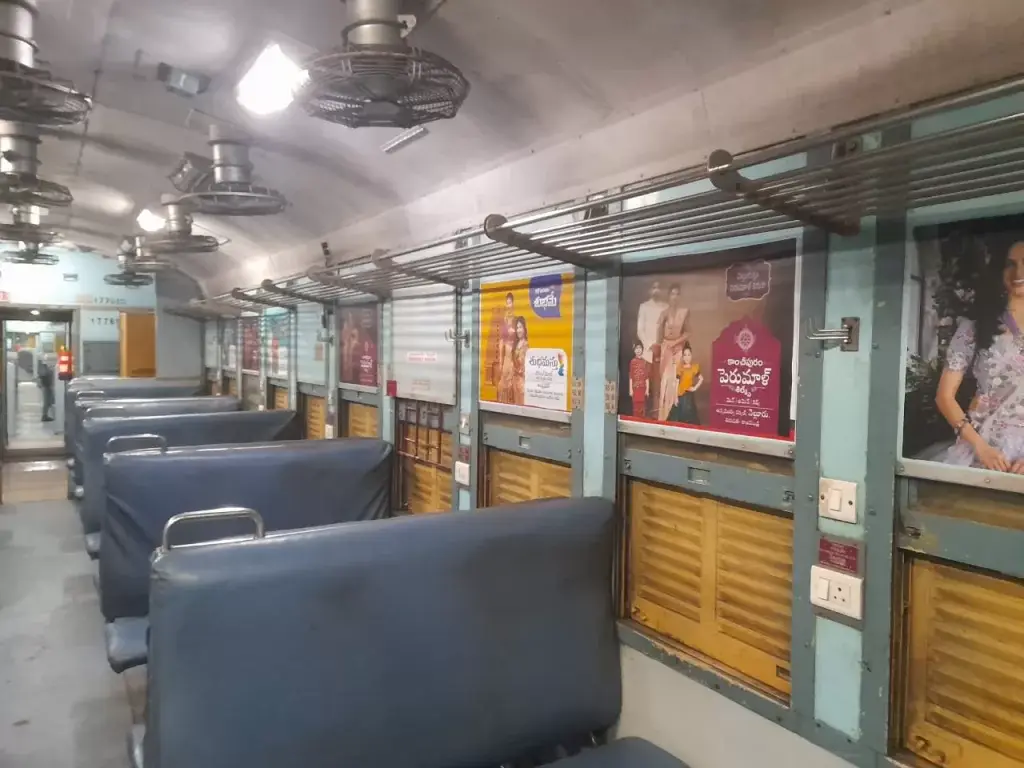
Regional language train ads drive deeper passenger engagement by improving recall, trust, and message clarity.
India’s railway network carries passengers from every linguistic and cultural background. While train advertising has traditionally relied on English or Hindi creatives, brands are now realizing the power of regional language train ads. By speaking to passengers in their native language, advertisers are driving deeper emotional connection, stronger recall, and higher engagement. In an environment where passengers spend long hours traveling, language familiarity plays a decisive role in how messages are received and remembered.
This article explores how regional language train advertising is reshaping passenger engagement across India.
Regional Language Ads Create Instant Emotional Connection
Language is deeply tied to identity. When passengers encounter ads in their mother tongue, the message feels personal rather than generic. As a result, regional language train ads immediately lower resistance and increase receptiveness.
Passengers are more likely to:
-
Read the message fully
-
Trust the brand communication
-
Feel represented and acknowledged
This emotional comfort directly translates into higher engagement compared to one-language-fits-all advertising.
Improved Message Comprehension and Recall
Train journeys often involve distractions such as announcements, conversations, and mobile usage. In such settings, comprehension speed matters. Regional language ads are processed faster because they reduce cognitive effort.
When passengers understand the message instantly:
-
Recall improves
-
Brand association strengthens
-
Message clarity increases
Therefore, regional language advertising enhances not just visibility but actual communication effectiveness.
Catering to Diverse Passenger Segments Across Routes
Different train routes serve distinct linguistic audiences. Suburban trains, intercity routes, and long-distance services often cater to region-specific passenger bases.
Brands leveraging regional language creatives can:
-
Align messaging with dominant route demographics
-
Customize offers and cultural references
-
Increase relevance without increasing media inventory
This targeted approach ensures that ads resonate with the majority of onboard passengers rather than a limited segment.

Building Trust Through Cultural Familiarity
Trust plays a major role in advertising effectiveness, especially in public transport environments. Regional language ads often feel more authentic and less corporate.
By using local phrases, idioms, or culturally familiar expressions, brands appear approachable. Consequently, passengers perceive the brand as understanding local needs rather than imposing a generic message. This trust factor significantly boosts engagement and long-term brand affinity.
Higher Engagement with Calls-to-Action
Calls-to-action perform better when they are easy to understand. Regional language CTAs such as scan prompts, offers, or service instructions drive higher response rates.
Passengers are more likely to:
-
Scan QR codes
-
Visit websites or apps
-
Remember helpline numbers
Because the action feels clear and relatable, engagement naturally increases.
Supporting Regional and Local Brand Growth
Regional language train advertising is particularly powerful for local and regional brands. These brands often compete with national players that dominate English or Hindi media.
By advertising in local languages, regional brands:
-
Level the playing field
-
Strengthen regional pride
-
Achieve higher relevance at lower cost
This strategy allows them to punch above their weight in high-footfall railway environments.
Enhancing Tourism and Cultural Promotion
Tourism boards and cultural organizations benefit immensely from regional language train ads. Passengers traveling within or toward a region connect better with messaging that reflects local culture.
Regional language advertising helps:
-
Promote local festivals and events
-
Highlight cultural heritage
-
Encourage domestic tourism
Because the message feels authentic, passengers engage more deeply with destination storytelling.
Seamless Integration with Visual Storytelling
Regional language ads work best when paired with strong visuals. Together, they create a holistic storytelling experience.
For example:
-
Local language headlines with scenic imagery
-
Cultural motifs combined with familiar phrases
-
Region-specific typography styles
This integration enhances emotional resonance and makes ads more memorable throughout the journey.
Digital Train Ads Amplify Regional Language Impact
With the rise of digital screens inside trains and stations, regional language messaging has become even more flexible. Brands can rotate creatives by route, time, or geography.
Digital regional language ads enable:
-
Multiple language versions on the same screen
-
Daypart-based language switching
-
Faster creative updates
As a result, engagement remains high without logistical complexity.
Better Performance in Brand Lift and Engagement Metrics
Studies and campaign observations consistently show that regional language train ads outperform generic creatives in recall and favorability.
Brands often report:
-
Higher ad recall
-
Increased brand trust
-
Better engagement rates
These outcomes demonstrate that language localization directly contributes to stronger ROI.
Why Regional Language Train Ads Are the Future
India’s diversity makes localization a necessity, not an option. As advertisers seek deeper passenger engagement rather than just reach, regional language train advertising offers a clear advantage.
By combining cultural relevance, clarity, and emotional connection, regional language train ads transform trains from mass media platforms into personal communication channels.
The Road Ahead for Regional Language Advertising in Trains
The future will see more hyper-local messaging, AI-driven language customization, and dynamic creative delivery. Brands that invest in regional language strategies today will build stronger relationships with passengers tomorrow.
In a country as diverse as India, speaking the passenger’s language is the most powerful engagement strategy of all.