New Advertising Formats Emerging Inside Premium Train Services
3 min read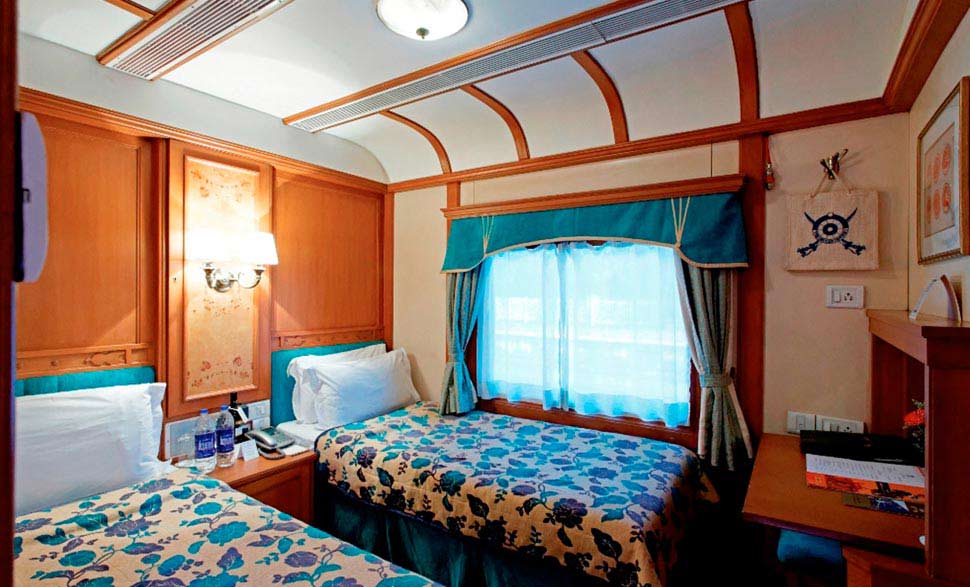
New advertising formats inside premium train services are transforming onboard branding through digital, interactive experiences.
Premium train services in India are redefining the passenger experience. With improved interiors, curated services, controlled environments, and affluent traveler profiles, these trains offer brands a unique opportunity to engage audiences in a high-attention setting. As a result, new advertising formats inside premium train services are rapidly evolving beyond traditional posters and panels. These innovations focus on experience, engagement, and subtle brand integration rather than loud visibility.
This article explores the most important emerging advertising formats inside premium train services and explains why marketers are increasingly investing in them.
Digital Screen Networks Inside Coaches
One of the most prominent new advertising formats in premium trains is the expansion of digital screen networks. These screens are strategically placed near seat backs, cabin entrances, and common areas.
Unlike static formats, digital screens allow:
-
Rotating brand creatives
-
Contextual messaging based on journey duration
-
Time-based ad scheduling
-
Better creative storytelling
Because passengers spend extended periods onboard, digital screens achieve higher message retention compared to short-exposure outdoor formats.
Seat-Back and Tray Table Branding
Seat-back panels and tray tables are emerging as premium, close-proximity branding zones. These formats ensure uninterrupted exposure throughout the journey.
Brands are increasingly using:
-
Minimalist brand visuals
-
QR-enabled storytelling
-
Utility-driven messaging
Since passengers naturally interact with these surfaces, recall levels remain high. Moreover, these placements feel less intrusive and more experiential.
In-Cabin Ambient Branding Experiences
Ambient branding is gaining popularity inside premium train services. Instead of standalone ads, brands integrate themselves into the travel environment.
Examples include:
-
Themed cabin interiors
-
Subtle brand color accents
-
Sponsored lighting or design elements
Because ambient formats blend seamlessly with the environment, they enhance brand perception without overwhelming passengers. This approach works particularly well for luxury, lifestyle, and technology brands.
Interactive QR and NFC-Based Touchpoints
Another major innovation is the use of interactive QR codes and NFC tags inside premium trains. These touchpoints transform static exposure into digital engagement.
Passengers can:
-
Scan to access exclusive offers
-
Explore product demos
-
Participate in contests or surveys
-
Download apps or content
Since premium train travelers are digitally savvy, interaction rates are significantly higher. Consequently, brands gain measurable engagement rather than passive visibility.
Branded In-Train Entertainment and Content Sponsorship
Premium trains often offer onboard entertainment systems, Wi-Fi portals, or curated content experiences. Brands are now sponsoring these platforms as advertisers rather than interruptive sponsors.
Common formats include:
-
Branded content intros
-
Sponsored playlists or podcasts
-
Destination-based content sponsorship
This form of advertising aligns with user intent, making it feel valuable rather than disruptive. As a result, brand affinity improves substantially.
Sampling and Product Experience Zones
Physical product interaction is another emerging advertising format inside premium trains. Sampling zones allow brands to offer products during the journey.
Popular categories include:
-
FMCG and packaged foods
-
Personal care and wellness products
-
Travel accessories and tech gadgets
Because passengers are relaxed and receptive, sampling leads to higher trial and recall rates. Moreover, direct feedback opportunities enhance market insights.
Branded Service Touchpoints
Premium trains emphasize service quality. Brands are now embedding themselves into service moments rather than ad spaces.
Examples include:
-
Branded amenity kits
-
Sponsored refreshments
-
Co-branded linens or utility items
These formats associate the brand with comfort and convenience. Therefore, perception shifts from advertiser to experience enhancer.
Journey-Based Storytelling Campaigns
Long-duration journeys allow for sequential storytelling. Brands are using multiple touchpoints across the train to build narratives.
For instance:
-
Entry branding introduces the brand
-
Seat-back messaging deepens the story
-
Digital screens deliver calls to action
This layered approach improves comprehension and emotional connection. Consequently, recall and engagement increase significantly.
Data-Enabled and Measurable Advertising Formats
Premium train services increasingly integrate data systems such as Wi-Fi logins and captive portals. These enable better measurement of advertising effectiveness.
Brands can track:
-
QR scans and interactions
-
Content engagement time
-
Location-based response patterns
As accountability improves, premium train advertising becomes more performance-oriented rather than purely awareness-driven.
Why Premium Train Advertising Formats Are Gaining Momentum
Several factors are accelerating adoption:
-
Affluent and attentive audiences
-
Longer dwell time compared to other transit media
-
Controlled, clutter-free environments
-
Higher acceptance of branded experiences
Because of these advantages, premium train services are becoming strategic media platforms rather than supplementary channels.
The Future of Advertising Inside Premium Train Services
The future lies in experience-led, tech-enabled, and contextually relevant advertising formats. Static placements will gradually give way to interactive, data-driven, and service-integrated solutions.
Brands that prioritize subtlety, utility, and storytelling will benefit the most. As premium rail travel continues to grow, advertising inside these trains will evolve into a high-impact, high-recall medium.