The Future of Train Advertising in India: Trends to Watch in 2026
3 min read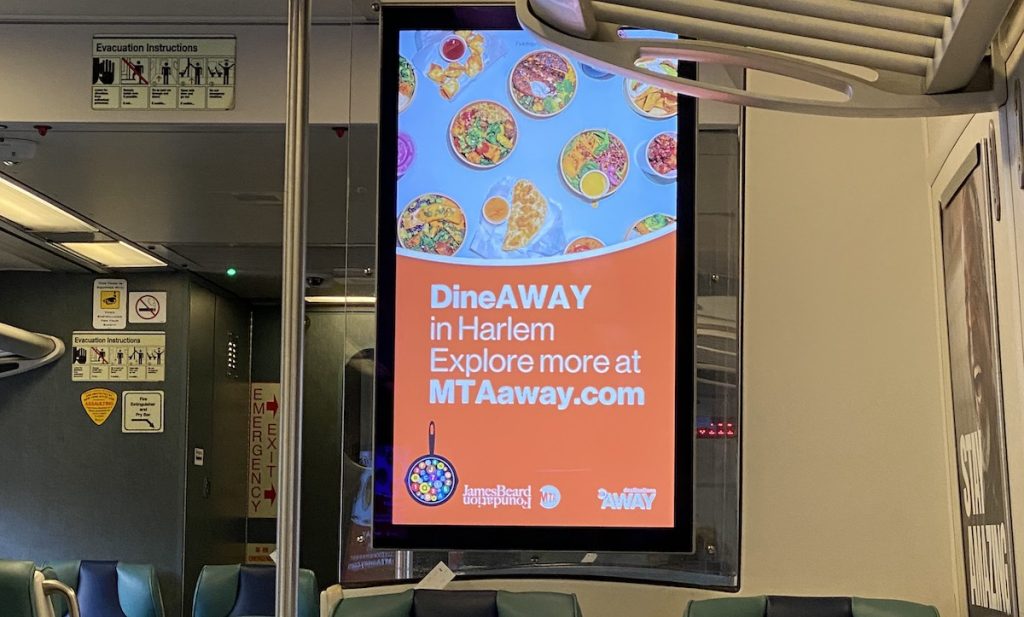
The future of train advertising in India shows digital, programmatic, data-driven, and localized trends shaping 2026 campaigns.
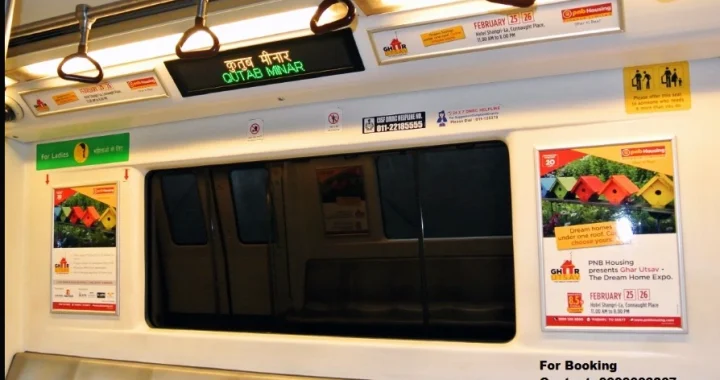
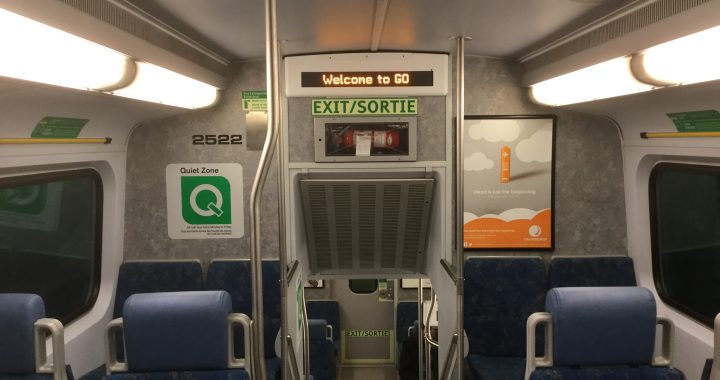
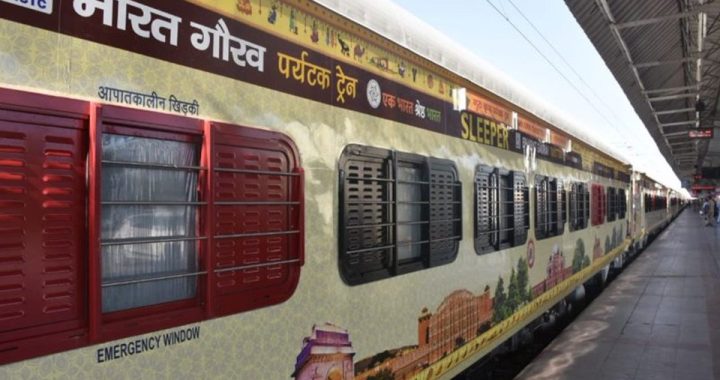
Train advertising in India has long been a cornerstone of out-of-home (OOH) marketing. With millions commuting daily on suburban rail, metros, long-distance trains, and local transit systems, brands enjoy unmatched reach and frequency. As 2026 approaches, the future of train advertising in India is being shaped by technological innovation, data-driven strategies, and shifting consumer behavior. From digital integrations to dynamic targeting, this article explores key trends that marketers should watch to stay ahead.
1. Digital and Interactive Train Advertising Take Center Stage
Traditional static train ads have dominated India’s rail media landscape for years. However, the future points toward digital signage and interactive experiences. Digital screens inside trains and platforms allow brands to rotate multiple creatives, use motion, and update messages in real time.
Interactive elements—such as QR codes, NFC tags, and wayfinding touchpoints—will further blur the line between physical and digital engagement. For example, commuters can scan ads to access offers or exclusive content, turning passive exposure into measurable interaction.
2. Data-Driven Audience Targeting Enhances Precision
One of the biggest shifts for train advertising in India is the adoption of data analytics and audience modeling. Historically, advertisers relied on circulation figures and footfall estimates. But by 2026, richer data sources—mobile location insights, ticketing data, and commuter patterns—will enable more accurate audience segmentation.
As a result, brands can:
-
Tailor creatives based on route popularity
-
Schedule campaigns by time of day or commuter segment
-
Measure engagement through mobile behaviors
This evolution transforms train advertising from broad visibility to strategic impact.
3. Programmatic Buying Enters the Rail Advertising Ecosystem
Programmatic media buying—long prevalent in digital advertising—is now entering the train advertising world. Platforms that automate inventory purchasing based on real-time demand data will help brands optimize spend and timing.
In India, pilot initiatives are already emerging where digital train inventory is made available programmatically. By 2026, this trend will accelerate, allowing advertisers to:
-
Bid dynamically for premium slots
-
Adjust creative rotations on the fly
-
Track performance more granularly
This shift increases efficiency and transparency for train media buyers.

4. Integration with Mobile and Proximity Campaigns
The commuter’s mobile phone has become an extension of the train experience. Future train advertising will leverage geo-fencing and proximity marketing to reinforce outdoor impact.
Imagine commuters who see a train station ad then receive a contextual push notification with offers or directions to the nearest outlet. Such integrations amplify recall and drive action—bridging offline exposure with online behavior.
5. Personalized and Localized Content Gains Traction
India’s linguistic and cultural diversity necessitates localized messaging. However, by 2026, train advertising will move beyond simply translating copy. With digital flexibility, brands can deliver regionally tailored content that resonates with local sensibilities.
For instance, ads in Mumbai’s local trains may differ in tone and creative from those running in Delhi Metro or Bengaluru’s commuter rail. Localization enhances relevance and strengthens connection with diverse audiences.
6. Sustainability and Eco-Friendly Formats Become Priority
Sustainability is no longer a buzzword—it’s an expectation. Brands and transit authorities are prioritizing eco-friendly advertising solutions. This includes energy-efficient LEDs, recyclable vinyls, and reduced material waste for static installations.
Green credentials matter more to consumers today, and sustainable media practices contribute to positive brand perception. By 2026, eco-conscious train advertising formats will be a norm rather than an exception.
7. Measurement and Attribution Improve with Technology
One criticism of traditional OOH—including train advertising—has been limited measurement capabilities. However, as technology advances, marketers now have better tools for attribution and campaign analytics.
Using mobile location data and footfall mapping, advertisers can estimate:
-
How many commuters engaged with the ad
-
Store visits tied to exposure
-
Recall lift across different routes
This enhanced measurement supports ROI validation and strategic planning for future campaigns.
8. Creative Storytelling Finds New Expression
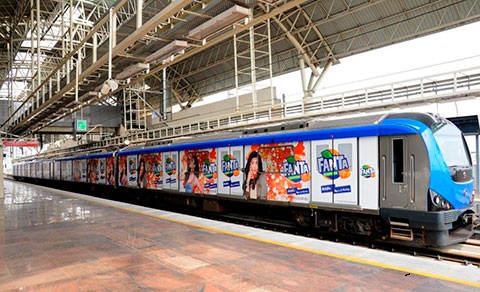
Train environments offer unique storytelling opportunities. With expanded digital inventory and mixed formats (platform screens, train wraps, door panels), brands can create layered narratives.
Dynamic visuals, sequential storytelling, and immersive audio can engage commuters in a richer way than ever before. Creative excellence will be a differentiator as ad clutter increases across urban transit hubs.
Conclusion: Train Advertising in India Is on the Cusp of Transformation
The future of train advertising in India is marked by innovation, personalization, and measurable engagement. As digital integration deepens and data takes center stage, marketers who adapt early will gain a competitive edge. Whether through programmatic buying, mobile synergy, or localized creative executions, 2026 promises a more vibrant and impactful landscape for train media.