Train Advertising’s Role in Promoting Tourism and Destination Marketing
4 min read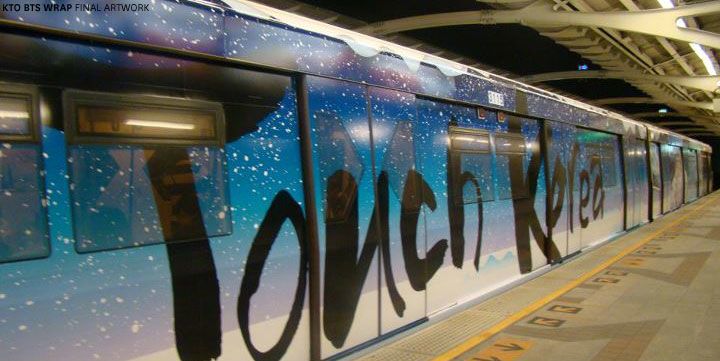
Train advertising for tourism and destination marketing helps inspire travel through high-dwell, high-impact rail media.
Train networks in India connect cities, towns, heritage circuits, and tourist destinations at an unmatched scale. Every day, millions of leisure travelers, pilgrims, students, and professionals spend long hours inside trains and stations. This makes train media a highly effective channel for tourism and destination marketing. Unlike fleeting roadside ads, train advertising benefits from extended dwell time, captive audiences, and repeated exposure. As tourism boards and travel brands compete for attention, train advertising has emerged as a strategic storytelling medium rather than just a visibility tool.
High Dwell Time Creates Ideal Conditions for Destination Messaging
One of the strongest advantages of train advertising in tourism promotion is dwell time. Passengers spend hours inside coaches and waiting areas, creating a relaxed mindset ideal for aspirational messaging.
This environment allows tourism campaigns to:
-
Showcase scenic visuals in detail
-
Communicate itineraries and experiences
-
Build emotional connections with destinations
Because travelers are already in a travel mindset, destination messaging feels relevant rather than interruptive, leading to higher recall and intent.
Reaching the Right Audience at the Right Moment
Train advertising naturally aligns with tourism audiences. Long-distance and premium trains carry leisure travelers, pilgrims, and holiday planners, while stations act as high-footfall gateways.
Tourism boards use train media to:
-
Target intercity and interstate travelers
-
Reach domestic tourists during planning phases
-
Promote seasonal travel windows
As a result, train advertising delivers contextual relevance that many other OOH formats struggle to achieve.
Visual Storytelling Through Large-Format Train Media
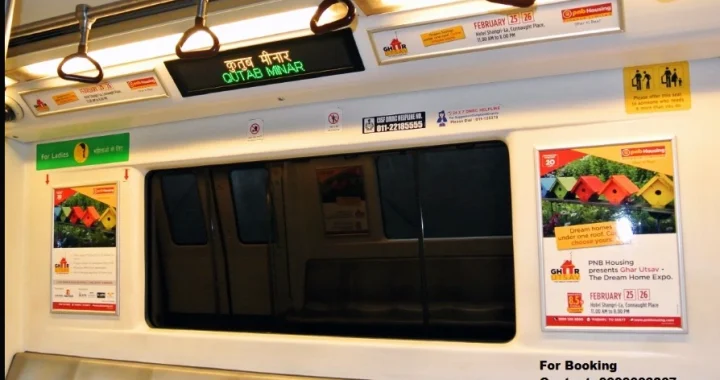
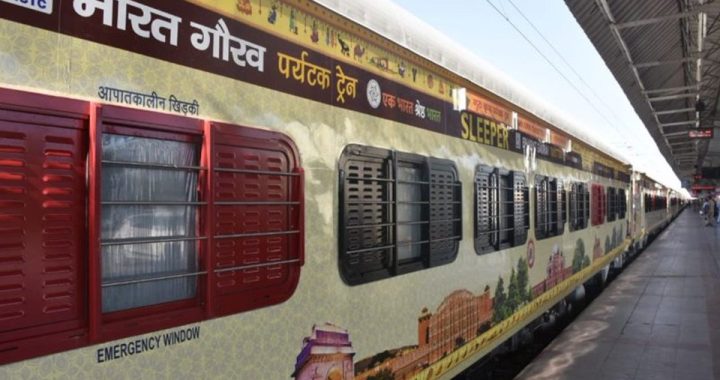
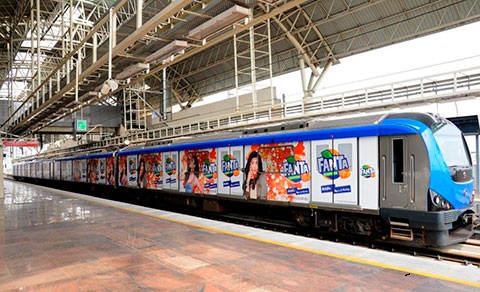
Tourism marketing relies heavily on visuals. Train exteriors, coach interiors, and platform panels offer large-format canvases for immersive storytelling.
Effective destination campaigns use:
-
Panoramic landscapes on train wraps
-
Cultural imagery inside coaches
-
Thematic storytelling across multiple coaches
This visual continuity reinforces destination imagery and inspires travel consideration. Moreover, repeated exposure across a journey strengthens memory encoding.
Promoting Regional Tourism and Hidden Destinations
Train advertising plays a vital role in promoting regional and lesser-known destinations. Many train routes pass through or connect emerging tourism regions.
State tourism boards leverage this by:
-
Advertising destinations along key routes
-
Encouraging stopover travel
-
Promoting local festivals and events
By reaching travelers already en route, train advertising supports balanced tourism growth beyond major hotspots.
Integration with QR Codes and Digital Touchpoints
Modern train advertising increasingly integrates digital elements. QR codes, short links, and NFC tags allow passengers to explore destinations instantly.
Through these touchpoints, travelers can:
-
Access travel guides and itineraries
-
Book hotels or attractions
-
Discover local experiences
This bridge between offline inspiration and online action improves measurability and conversion for tourism campaigns.
Supporting Pilgrimage and Cultural Tourism Campaigns
India’s railway network is deeply connected to pilgrimage circuits and cultural travel. Train advertising is particularly effective for promoting religious tourism, heritage trails, and cultural festivals.
Campaigns often highlight:
-
Temple and pilgrimage routes
-
Heritage cities and monuments
-
Seasonal cultural celebrations
Because trains serve as primary transport for such journeys, advertising within them feels natural and trustworthy.
Role of Premium Trains in Luxury Tourism Marketing
Premium and long-distance trains attract affluent travelers and international tourists. Advertising inside these trains supports luxury and experiential tourism campaigns.
Tourism brands use premium train media to:
-
Promote luxury resorts and curated experiences
-
Highlight wellness and slow travel concepts
-
Reinforce premium destination positioning
The refined environment enhances brand perception and aligns well with high-value tourism offerings.
Building National and International Tourism Brand Image
Train advertising also contributes to long-term destination branding. Consistent presence across major routes and stations reinforces a destination’s identity.
By using unified visuals, taglines, and narratives, tourism boards build familiarity and trust. Over time, this sustained exposure supports national and international tourism positioning.
Measurable Impact on Travel Intent and Footfall
Beyond awareness, train advertising increasingly supports measurable outcomes. Geo-based attribution, search lift analysis, and QR engagement help tourism marketers assess performance.
Key outcomes include:
-
Increased destination searches
-
Higher website traffic
-
Rise in bookings from connected regions
These metrics help justify train advertising as a performance-supporting medium rather than just an awareness channel.
Why Train Advertising Is Essential for Destination Marketing
Train advertising combines reach, relevance, and storytelling in a way few other media can. It reaches travelers during moments of inspiration, offers long engagement windows, and supports regional as well as national tourism goals.
For tourism boards and destination marketers, trains are not just transport systems—they are moving media platforms that influence travel decisions at scale.
The Future of Tourism Promotion Through Train Media
As trains modernize, destination marketing will become more dynamic and interactive. Digital screens, programmatic scheduling, and localized content will further enhance relevance.
Brands and tourism authorities that invest early in train advertising for tourism promotion will benefit from deeper engagement, stronger recall, and sustained destination growth.