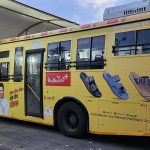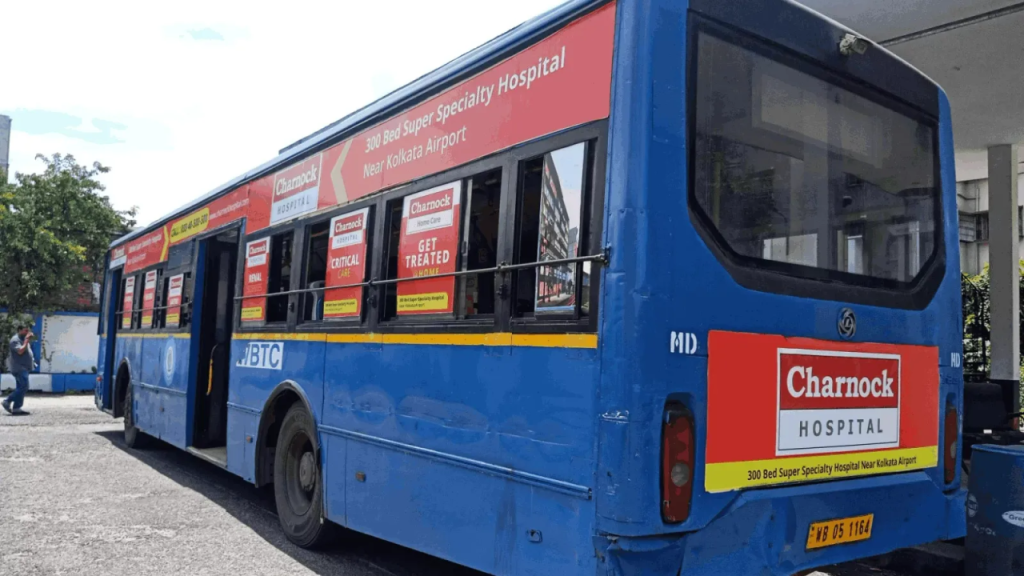

Marketing today is no longer about choosing between offline and online channels. The real advantage lies in combining both to create a seamless and effective brand experience. While digital marketing offers precision targeting and measurable results, bus advertising delivers strong visibility and consistent presence in the real world. When these two are integrated properly, brands can achieve a level of impact that neither channel can deliver on its own.
In India’s fast-paced urban environment, where people are constantly commuting and engaging with content on their mobile devices, combining bus advertising with digital marketing has become a smart and results-driven approach.
Why Integration Matters in Modern Marketing
Today’s consumers interact with brands across multiple platforms. A person might see your advertisement on the road, search for your brand online later, and eventually engage with your content on social media. This multi-touchpoint journey makes it essential for brands to maintain consistency across all channels.
Bus advertising creates awareness and familiarity, while digital marketing captures interest and drives action. Together, they form a complete marketing funnel that moves users from discovery to conversion.
The Strength of Bus Advertising
Bus advertising is one of the most powerful forms of outdoor media. It allows brands to travel across the city and reach audiences in different locations throughout the day.
Some of the key advantages include:
-
High visibility in crowded areas and traffic zones
-
Repeated exposure due to fixed daily routes
-
Ability to reach a wide and diverse audience
-
Strong brand recall created through movement and frequency
However, while bus advertising is highly effective for awareness, it does not directly track user engagement. This is where digital marketing plays a crucial role.
The Role of Digital Marketing
Digital marketing enables brands to interact with their audience in a more direct and measurable way. Through platforms like social media, search engines, and websites, brands can track performance and optimize campaigns in real time.
Its strengths include:
-
Targeted audience reach based on demographics and behavior
-
Real-time analytics and performance tracking
-
Opportunities for direct interaction and engagement
-
Clear call-to-action options that drive conversions
When used alongside bus advertising, digital marketing helps convert offline exposure into meaningful online actions.

How to Combine Bus Advertising with Digital Channels
1. Use QR Codes to Bridge Offline and Online
Adding QR codes to bus advertisements is one of the simplest ways to connect offline visibility with digital engagement.
Users can scan the code and be directed to:
-
A product page
-
A promotional offer
-
A social media profile
This allows immediate interaction and helps track how many people are responding to your campaign.
2. Maintain Consistent Branding Across Channels
Consistency plays a key role in building trust and recognition. The message displayed on your bus advertisement should match your digital campaigns.
Ensure that elements such as:
-
Taglines
-
Colors
-
Visual themes
remain consistent across all platforms. This reinforces brand identity and improves recall.
3. Run Geo-Targeted Digital Campaigns
If your bus advertisements are running in specific areas, you can run digital ads targeting users in the same locations.
This creates a layered effect:
-
Users see your advertisement offline
-
Then encounter your brand again online
Repeated exposure increases familiarity and improves the likelihood of engagement.
4. Integrate Social Media Campaigns
Social media can significantly amplify the impact of your bus advertising.
You can:
-
Encourage users to share photos of your branded buses
-
Create campaign-specific hashtags
-
Run contests or offers linked to the campaign
This not only increases reach but also encourages user participation and engagement.
5. Use Dedicated Landing Pages
Instead of directing users to a general website, create specific landing pages for your campaign.
These pages should:
-
Reflect the message shown on the bus advertisement
-
Provide clear and relevant information
-
Include a strong call-to-action
Dedicated landing pages help improve conversion rates and make it easier to track campaign performance.
Benefits of an Integrated Approach
Combining bus advertising with digital marketing offers several advantages:
Increased Brand Recall
Seeing the same brand message both offline and online strengthens memory and recognition.
Better Engagement
Digital platforms provide opportunities for users to interact with your brand after noticing it in the real world.
Higher Conversion Rates
Multiple touchpoints build trust and encourage users to take action.
Measurable Performance
Digital tools allow brands to analyze how offline campaigns are influencing online behavior.
A Practical Example
Consider a real estate company promoting a new project. They run bus advertisements across key residential areas and include a QR code that links to a project landing page.
At the same time, they run geo-targeted social media ads in the same locations. A potential customer sees the bus advertisement during their commute and later encounters the brand again online. This repeated exposure builds trust and eventually leads to an inquiry.
This is how integrated marketing turns awareness into action.
Tips for Maximizing Impact
To ensure your campaign delivers strong results, keep the following in mind:
-
Use clear and easy-to-read designs for bus advertisements
-
Include strong and direct calls to action
-
Ensure your landing pages are fast and mobile-friendly
-
Track performance using analytics tools
-
Plan campaigns for at least two to three months for better recall
A well-planned strategy is essential for achieving meaningful results.
Conclusion
In today’s competitive environment, relying on a single marketing channel is no longer sufficient. Brands need to create a connected experience that reaches consumers both offline and online.
Bus advertising provides visibility and presence in the physical world, while digital marketing drives engagement and conversions. When combined effectively, they create a powerful marketing strategy that enhances reach, builds trust, and delivers measurable results.
For brands looking to stand out and grow, this integrated approach is not just beneficial it is essential.