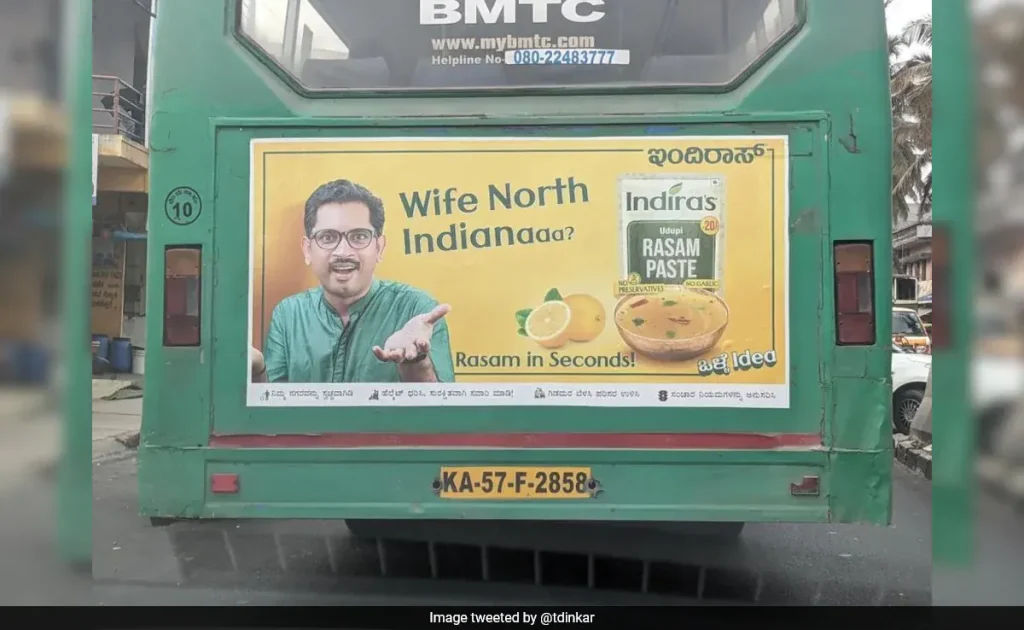

Think about how you use your phone when you’re out of the house. You’re waiting for a bus, sitting in a cab, or walking to a meeting, and you see a massive, vibrant bus wrap for a new sneaker brand. You don’t buy the shoes right there on the sidewalk, but later that evening, while scrolling through Instagram, an ad for those exact sneakers pops up.
Suddenly, the brand feels “famous.” You’ve seen them in the real world and the digital world. This isn’t a coincidence; it’s the most powerful ROI-booster in modern marketing. When you marry the physical “muscle” of Bus Branding with the surgical precision of Digital Ads, you create a loop that consumers simply can’t ignore.
1. The “Search Lift” Phenomenon
Out-of-Home (OOH) advertising, like bus wraps, is the ultimate “top-of-funnel” driver. It builds massive awareness. Statistics in 2026 show that consumers are 48% more likely to click on a digital ad after being exposed to the same brand on a transit vehicle first.
Why? Because the bus ad has already done the hard work of building trust. When that person sees your Google Search ad or a Facebook post later, they aren’t looking at a stranger they’re looking at a brand they’ve already “met” on the street. This familiarity drastically lowers your Cost Per Click (CPC) and skyrockets your conversion rates.

2. Retargeting the “Commuter Path”
Modern technology allows us to “geo-fence” bus routes. By using mobile location data, brands can identify mobile devices that were in the physical proximity of a branded bus during its route.
Imagine a commuter seeing your bus ad at 9:00 AM. By 12:30 PM, while they are checking the news during their lunch break, your display ad appears on their screen. This “physical-to-digital” retargeting keeps your brand at the front of their mind. You are essentially following the customer from the physical road to their digital doorstep.
3. The “Social Media Echo”
A truly creative bus wrap perhaps something with a 3D illusion or a witty local pun is inherently “Instagrammable.” When a passerby snaps a photo of your bus and shares it on their story, your physical ad spend just turned into free, high-trust digital impressions.
By adding a simple “Scan for a Surprise” QR code or a unique hashtag to the bus wrap, you give the audience a “digital bridge.” You’ve turned a passive viewer into a digital lead who has now entered your email funnel or followed your social page. The ROI on that one bus wrap is suddenly multiplied by every single digital interaction it triggers.

4. Validating the “Digital Ghost”
We’ve all seen “sketchy” ads online for products that look too good to be true. In a world of digital scams, physical presence equals legitimacy.
When a consumer sees that a brand has the budget and the “real-world” presence to wrap a 40-foot city bus, it validates the digital ads they see later. It proves the brand is a real, local entity. That “Trust Factor” is often the final nudge a consumer needs to move from “just looking” to “buying now.”
Conclusion
If you only run digital ads, you’re fighting in a crowded, noisy inbox. If you only run bus ads, you’re missing the chance to close the sale instantly. But when you combine them, you create an “Unstoppable Campaign.” The bus builds the fame, and the digital ad captures the data. By leveraging the physical scale of transit media to “prime” the audience for digital conversion, you aren’t just spending a marketing budget you’re building a high-velocity ROI machine.