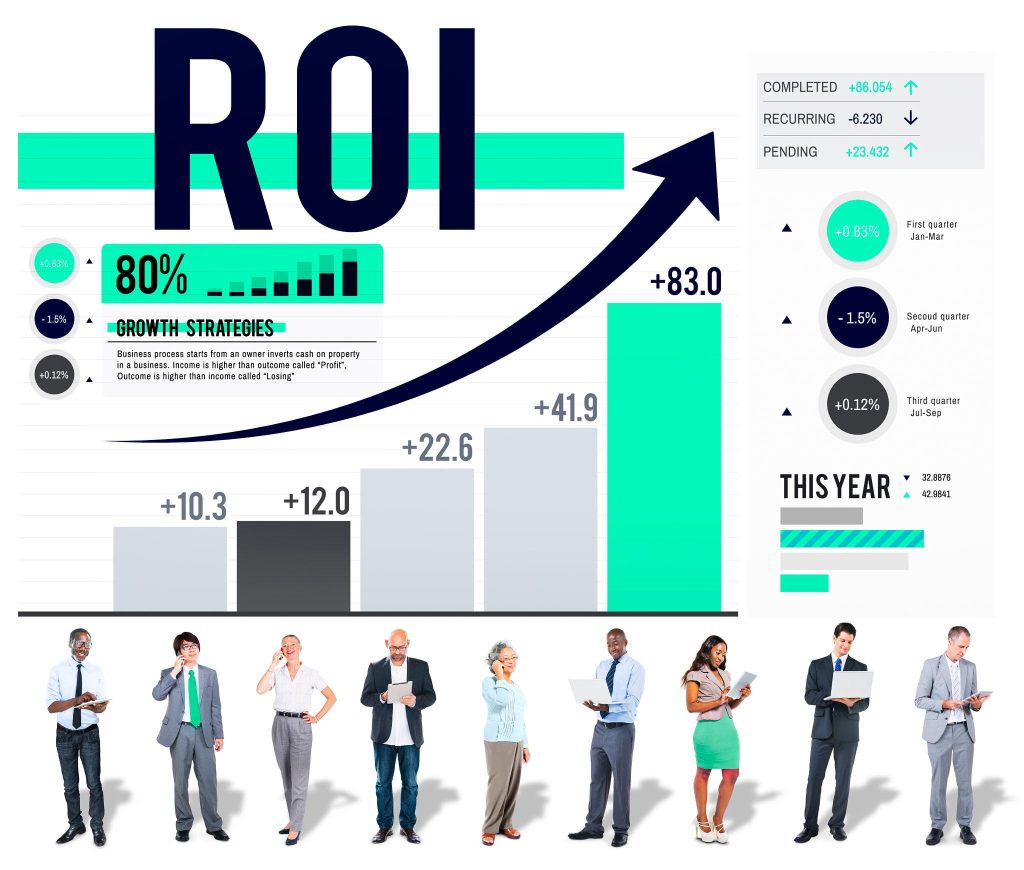

One of the longest-standing myths in marketing is that Out-of-Home (OOH) advertising is “unmeasurable.” For decades, business owners viewed bus branding as a prestige play a way to build “fame” without knowing exactly how many sales it generated. However, in 2026, measuring the Return on Investment (ROI) for transit media has become both a strategic art and a precise science.
When a branded bus rolls through a high-traffic corridor in Bengaluru, Mumbai, or Indore, it leaves a footprint in the consumer’s mind. Measuring ROI is no longer just about estimating how many eyes saw the bus; it is about tracking what those people did after the encounter. By blending traditional tracking with modern strategy, brands can finally see a clear picture of their campaign’s performance.
The Power of Dedicated Call Tracking
For businesses that rely on phone inquiries such as real estate, hospitals, or coaching centers dedicated call tracking is the ultimate ROI tool. By using a unique phone number that appears only on your bus wraps, you can isolate exactly how many calls are coming from the street versus your social media ads.
This method provides “Hard ROI” data. You can track the lead from the initial ring all the way to the final payment. When your sales team asks a caller, “How did you hear about us?” and the customer mentions they saw the bus at the signal, you have a confirmed conversion that proves the media’s value.
Correlating Location-Based Search Spikes
A more sophisticated way to measure ROI is by monitoring “Localized Search Intent.” When you launch a heavy bus shelter branding campaign in a specific geographic zone, you should see a corresponding spike in organic searches for your brand within that exact area.
By analyzing search volume by region or pin code, you can correlate your physical presence on the road with digital curiosity. If searches for “Best School in Rewa” jump by 25% during your three-month bus campaign, you have empirical evidence of the campaign’s impact. Physical visibility creates digital intent.

Using Coupon Codes for Direct Attribution
Another effective way to track ROI is by offering a specific “Offer Code” that is exclusive to the bus advertisement. For example, a retail store might display a message saying “Mention BUS20 for a 20% discount.“
When customers use this code at the billing counter, you have a direct link between the advertisement and the sale. This method is incredibly simple and requires no technology, yet it provides 100% accurate data on which routes are driving the most footfall to your business.
Measuring Brand Lift and Market Sentiment
Sometimes, ROI isn’t just about the immediate sale; it’s about “Brand Equity” and long-term trust. Before and after a campaign, smart brands often conduct “Brand Lift” surveys in the targeted neighborhoods. This measures the change in top-of-mind awareness among local residents.
If people in a specific neighborhood are 20% more likely to recognize your brand name after a campaign, your “Cost Per Impression” has outperformed almost every other media channel. This long-term trust is a “Soft ROI” that eventually leads to a lower customer acquisition cost, as customers are already “pre-sold” on your reliability.
Conclusion: Turning Visibility into Value
Measuring ROI in Bus Advertising requires a shift in mindset. It is about connecting the physical journey of the bus to the decision-making journey of the customer. Whether it is through unique phone numbers, localized search data, or exclusive coupon codes, the tools to prove success are fully available.
Ultimately, the most successful brands don’t just “advertise” on buses; they treat each bus as a value-generating asset. By tracking these metrics consistently, you move from “hoping” the campaign works to “knowing” exactly how much value it brings to your bottom line. In the competitive Indian market, the brands that track their streets are the ones that own their future.