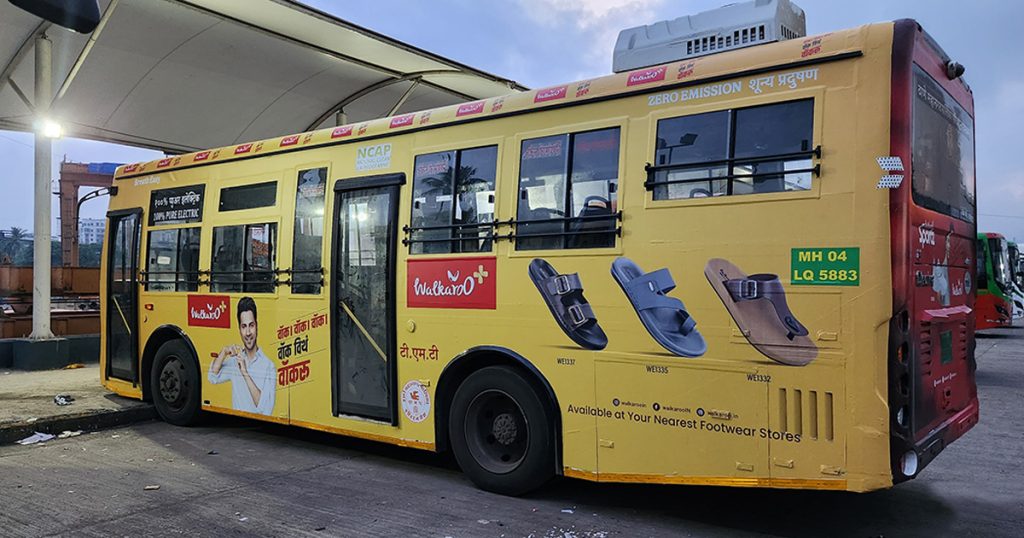

In today’s competitive marketing landscape, reaching the right audience matters more than reaching a large audience. Brands are no longer focused only on mass visibility they want precision, relevance, and higher conversion. This is where hyperlocal marketing comes into play, and bus advertising is proving to be one of the most effective tools to execute it.
Hyperlocal bus branding is not just about placing ads on buses; it’s about strategically selecting routes and locations to target specific communities, neighborhoods, and consumer groups. When done correctly, it delivers high visibility along with measurable results.
What is Hyperlocal Bus Branding?
Hyperlocal bus branding refers to advertising on buses that operate within specific routes or areas where your target audience is concentrated. Instead of covering an entire city randomly, brands focus on particular zones that are most relevant to their business.
For example:
-
A coaching institute may target school and college routes
-
A real estate brand may focus on residential and developing areas
-
A retail brand may choose routes passing through busy markets
This level of targeting ensures that your message reaches people who are more likely to engage with your brand.
Why Hyperlocal Targeting Matters Today
Consumer behavior has changed significantly. People are exposed to thousands of ads every day, and only relevant messaging captures attention. Hyperlocal advertising allows brands to cut through this noise by being present exactly where their audience is.
Instead of spending heavily on broad campaigns, brands can invest smarter by focusing on areas where potential customers already exist. This increases the chances of engagement and conversion.
For local businesses especially, hyperlocal branding is not just effective it’s essential.
How Bus Advertising Enables Hyperlocal Marketing
Bus advertising is uniquely positioned for hyperlocal campaigns because buses follow fixed routes daily. This predictable movement allows brands to plan their campaigns around specific locations and audience clusters.
Here’s how it works:
1. Route-Based Targeting
Each bus operates on a defined route. By selecting buses running through specific areas, brands can target:
-
Residential neighborhoods
-
Business districts
-
Educational zones
-
Shopping hubs
This ensures repeated exposure to the same audience, which strengthens brand recall.
2. Consistent Daily Visibility
Unlike digital ads that can be skipped or ignored, bus ads are part of the real-world environment. People see them during their daily routines commuting, walking, or driving.
This repeated visibility in familiar surroundings builds trust and familiarity over time.
3. Multi-Touchpoint Exposure
A single bus travels across multiple locations in a day. This means your ad is not limited to one spot it creates multiple touchpoints across the target area.
For hyperlocal campaigns, this is highly valuable because it reinforces your brand message across the same region.
Real-World Examples of Hyperlocal Bus Branding
To understand the impact better, let’s look at how different businesses use hyperlocal bus advertising:
-
Educational Institutes: Target buses running near schools, colleges, and coaching hubs to attract students
-
Restaurants & Cafes: Focus on routes around commercial areas and food streets
-
Real Estate Projects: Advertise on buses operating in residential zones or near new developments
-
Healthcare Services: Target routes near hospitals and clinics
In each case, the strategy is simple reach the audience where they are most likely to act.
Benefits of Hyperlocal Bus Branding
1. Higher Conversion Rates
Since the audience is already relevant, the chances of conversion increase significantly compared to broad campaigns.
2. Better Budget Utilization
Instead of spending across the entire city, brands invest only in selected routes, reducing unnecessary costs.
3. Strong Local Presence
Repeated exposure in a specific area helps build a strong local identity for the brand.
4. Improved Brand Recall
When people see the same ad regularly in their neighborhood, it becomes more memorable.
Best Cities for Hyperlocal Bus Advertising in India
Hyperlocal bus branding works well across India, but it is especially effective in cities where public transport networks are well-structured.
Cities like:
-
Delhi
-
Mumbai
-
Bangalore
-
Jaipur
-
Indore
-
Lucknow
These cities have defined bus routes and high daily ridership, making them ideal for targeted campaigns.
Tips to Plan an Effective Hyperlocal Bus Campaign
If you want to get the most out of your hyperlocal bus advertising, here are some practical tips:
-
Clearly define your target audience before selecting routes
-
Choose routes with high relevance, not just high traffic
-
Keep your messaging simple and easy to read
-
Use bold visuals that stand out in motion
-
Run campaigns for at least 2–3 months for better recall
Strategic planning is what separates an average campaign from a high-performing one.
Combining Hyperlocal with Digital Marketing
To maximize results, brands can integrate hyperlocal bus campaigns with digital strategies.
For example:
-
Add QR codes on bus ads to drive online traffic
-
Run geo-targeted social media ads in the same areas
-
Use location-based promotions
This combination bridges offline visibility with online engagement, creating a more complete marketing funnel.
Conclusion
Hyperlocal bus branding is more than just an advertising tactic it’s a smarter way to connect with your audience. By focusing on specific areas and routes, brands can achieve better visibility, stronger engagement, and higher returns on investment.
In a world where relevance matters more than reach, hyperlocal strategies are becoming the future of outdoor advertising.
Bus branding, with its mobility and consistent exposure, provides the perfect platform to execute these strategies effectively.