Why Mall Advertising Feels More Trustworthy for High-Value Purchases
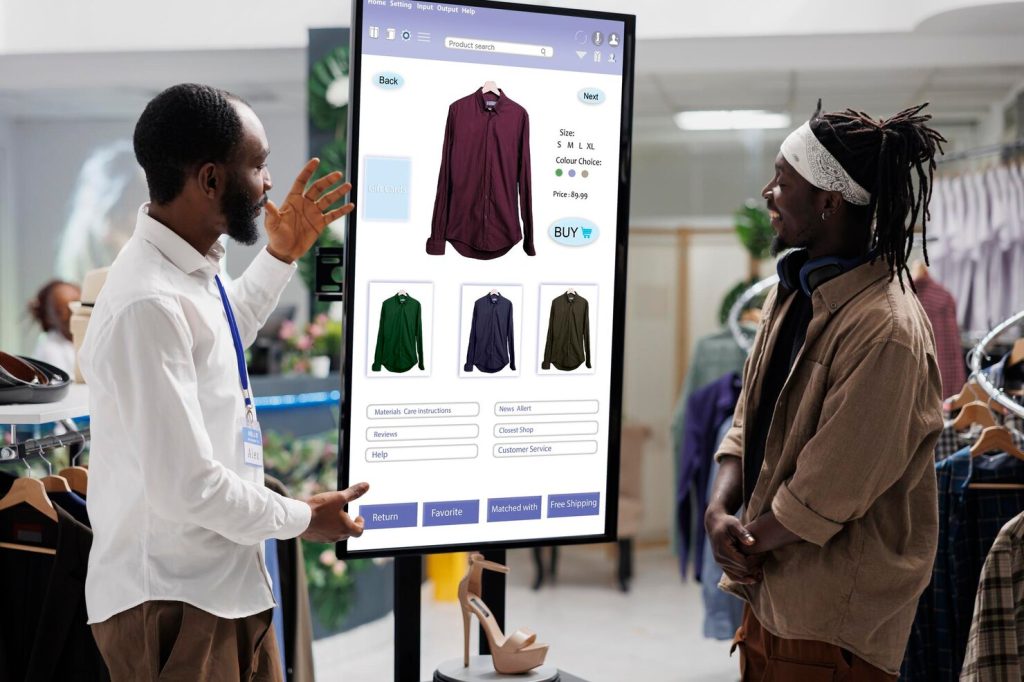
Picking up a coffee, choosing a T-shirt, or grabbing a snack often happens quickly. High-value purchases, however electronics, jewellery, premium cosmetics, luxury accessories involve hesitation. Consumers slow down. They compare. They seek reassurance, sometimes without consciously realising it.
Interestingly, the environment where a brand appears can influence that reassurance.
Shopping malls, with their curated retail atmosphere, play a subtle but meaningful role in shaping how trustworthy an advertisement feels.
The Psychology of Environment-Driven Perception
Human perception is rarely isolated from context. A product displayed in a premium setting often feels more credible than the same product presented in a cluttered or chaotic space.
Malls naturally project:
✔ Order
✔ Cleanliness
✔ Brand presence
✔ Retail legitimacy
This atmosphere quietly transfers to the brands advertised within it.
An advertisement seen inside a mall advertising doesn’t just represent a product. It borrows from the mall’s perceived quality.
Trust Through Physical Presence
Digital advertising dominates attention today, yet it also competes within environments known for distraction. Feeds refresh endlessly. Ads appear beside unrelated content. Consumers develop instinctive filtering habits.
Mall advertising operates differently.
It exists in the physical world visible, stable, part of the shopper’s surroundings. This tangible presence can subconsciously signal brand confidence.
The logic isn’t always verbalised, but the feeling exists:
“If a brand is visible here, it must be established.”
Reduced Skepticism Compared to Online Ads
Online ads sometimes trigger doubt:
✔ Is this exaggerated?
✔ Is this clickbait?
✔ Is this trustworthy?
Mall advertising often encounters less immediate skepticism. The setting feels more grounded, less anonymous, more real.
Physical visibility can feel harder to fake.
Association with Recognised Retailers
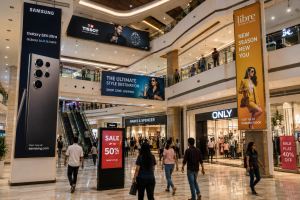
Inside malls, advertisements live near known stores and established brands. This proximity can elevate perceived legitimacy.
A new electronics brand displayed near premium outlets may feel more credible simply because of its neighbours.
Context influences confidence.
The Role of Repetition Without Intrusion
Trust rarely develops instantly. It builds gradually through familiarity.
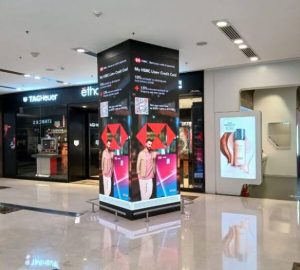
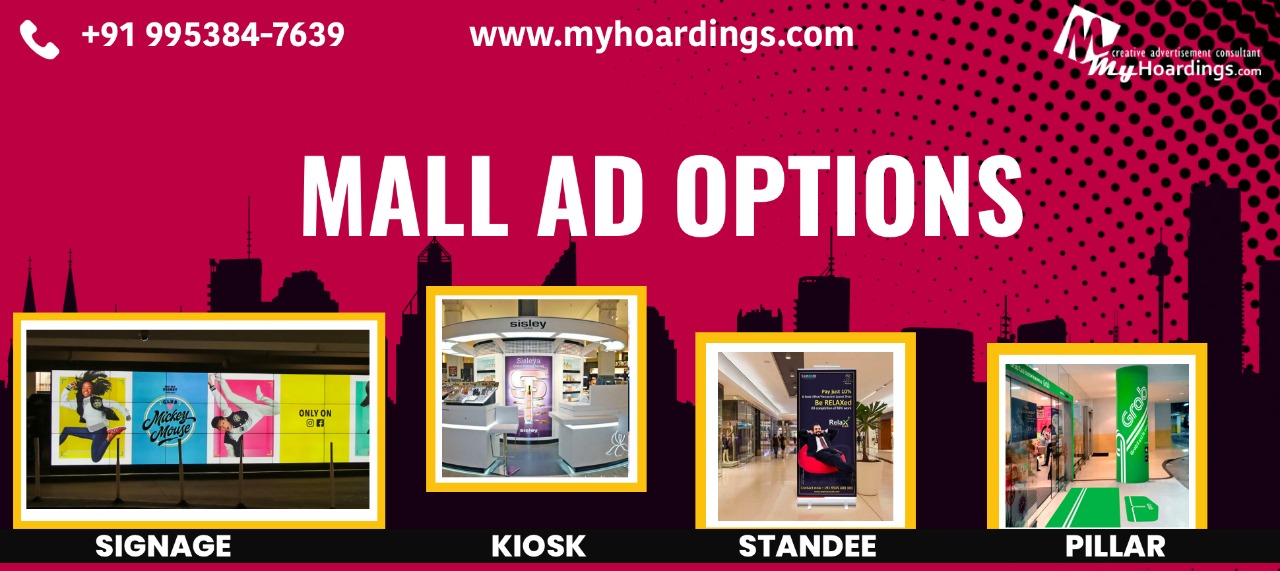
Mall visitors often encounter the same visual messages multiple times during a single visit entrance displays, escalator panels, digital screens. Unlike repetitive digital banners, this exposure feels organic rather than disruptive.
Familiarity softens resistance.
Impact on High-Consideration Categories
For products requiring evaluation smartphones, appliances, luxury goods mall advertising supports the decision journey by:
✔ Building recognition
✔ Reinforcing brand presence
✔ Reducing unfamiliarity
By the time consumers research online or enter stores, the brand already feels known.
Digital Screens Enhance Credibility Further
DOOH displays inside malls introduce motion, detail, and product storytelling without sacrificing environmental credibility.
Moving visuals capture attention while maintaining premium surroundings.
Conclusion
Mall advertising influences more than visibility. It shapes perception, credibility, and emotional comfort particularly for high-value purchases where trust becomes a deciding factor.
In a world saturated with digital stimuli, physical-world presence inside structured retail environments continues to carry psychological weight.