From Atriums to Food Courts: Advertising Opportunities Inside Modern Shopping Malls
In the competitive world of retail, modern shopping malls have evolved into complex “media ecosystems.” They are no longer just buildings with shops; they are carefully designed environments where every square inch from the grand entrance to the busy food court offers a unique opportunity to talk to a customer.
For brands, the magic of mall advertising lies in the diversity of these spaces. Depending on where you place your message, you can achieve anything from massive brand awareness to an immediate “impulse buy” at the checkout counter.
Here is a breakdown of the advertising opportunities inside today’s shopping malls and why each spot matters.
1. The Atrium: The Grand Stage
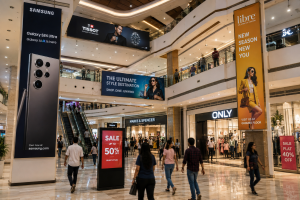
The atrium is the heart of the mall. It’s where people converge, where events happen, and where the “wow factor” lives. Because atriums usually span multiple floors, they offer the highest visibility of any location.
-
Atrium Dropdowns: These are massive, ceiling-to-floor banners that are impossible to miss. They provide a sense of scale and prestige. If you want everyone in the mall to know about a new product launch, this is where you go.
-
Anamorphic 3D Screens: Many modern atriums now feature large LED walls that use 3D tech to make products look like they are popping out of the screen. It’s the ultimate “stop and stare” moment.
2. The Food Court: High Dwell-Time Zones
The food court is where the most valuable metric dwell time is at its peak. While shoppers might walk past a store in seconds, they usually spend 20 to 40 minutes sitting down in the food court.
-
Table-top Branding: Putting your message directly on the tables puts it inches away from the customer’s eyes while they are relaxed and receptive.
-
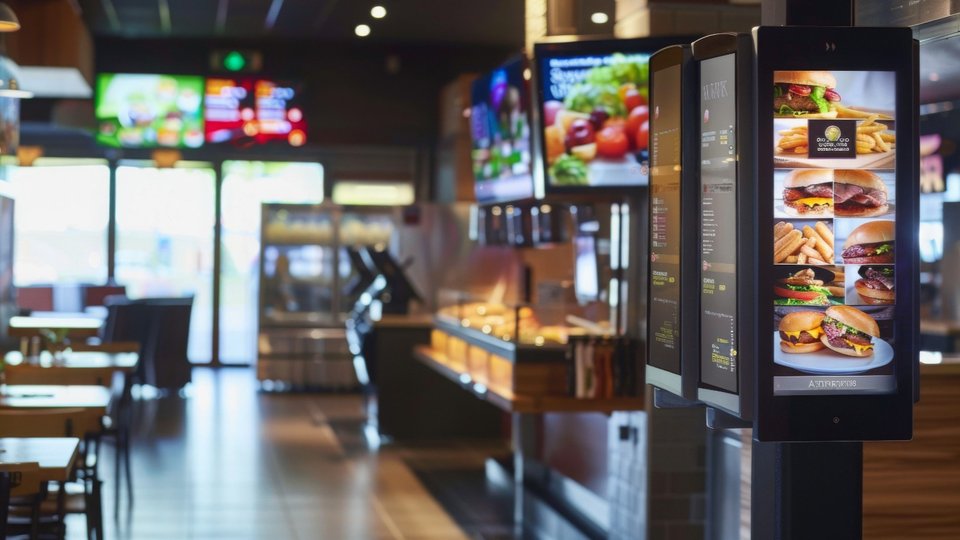
Digital Menu Boards & Trays: For F&B and FMCG brands, advertising on digital menu screens or even branded tray mats is a direct line to a hungry audience. It’s a space where a “buy one, get one” offer feels incredibly relevant.
3. Elevators and Escalators: The Moving Billboard
Moving between floors is one of the few times mall-goers aren’t looking at products they are looking for a way up or down. This “transition time” is prime real estate for repetitive branding.
-
Elevator Wraps: Branded elevator doors (both inside and out) catch people while they are waiting or standing in a small, enclosed space with nothing else to look at.
-
Escalator Panels: Glass panels on the sides of escalators allow brands to tell a “sequential story.” As the shopper moves up, they see different parts of your message. It’s a great way to build curiosity floor by floor.

4. Lift Areas and Corridors: The High-Frequency Zones
Lifts and corridors are the “arteries” of the mall. While the atrium gives you scale, these areas give you frequency.
-
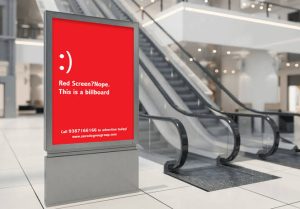
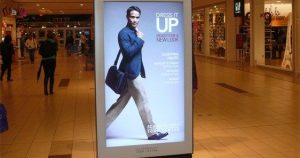
Digital Standees: These portable, high-definition screens are placed in high-traffic walkways. They are great for “directional advertising” telling a shopper that your store is just 50 steps away on the right.
-
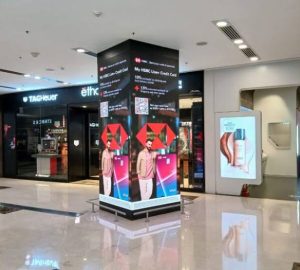
Pillar Wraps: Pillars are everywhere in malls. Wrapping them in brand colors turns a structural necessity into a repetitive visual cue that reinforces your brand identity as the shopper walks.
5. Restrooms and Common Areas: The Clutter-Free Space
It might sound unconventional, but restroom advertising is highly effective because it is a “zero-distraction” zone.
-
Mirror Stickers & Small Screens: These placements offer 100% focused attention. For beauty and wellness brands, a mirror sticker that says “You look great, now try this shade” can be a very personal and persuasive nudge.
Conclusion
The key to winning in a modern mall branding is a multi-touchpoint strategy. A shopper might see your giant banner in the Atrium, get reminded by a Digital Standee in the corridor, read your offer on a Food Court table, and finally see your store as they exit the Elevator.
By the time they see your storefront, they aren’t just a stranger they’ve been introduced to your brand five different times in a single afternoon.